UNRWA warns elderly and disabled in Gaza face life-threatening risks
 13 oC
13 oC 
Güneşli

The United Nations Relief and Works Agency for Palestine Refugees (UNRWA) has issued a stark warning about the worsening humanitarian crisis in Gaza.
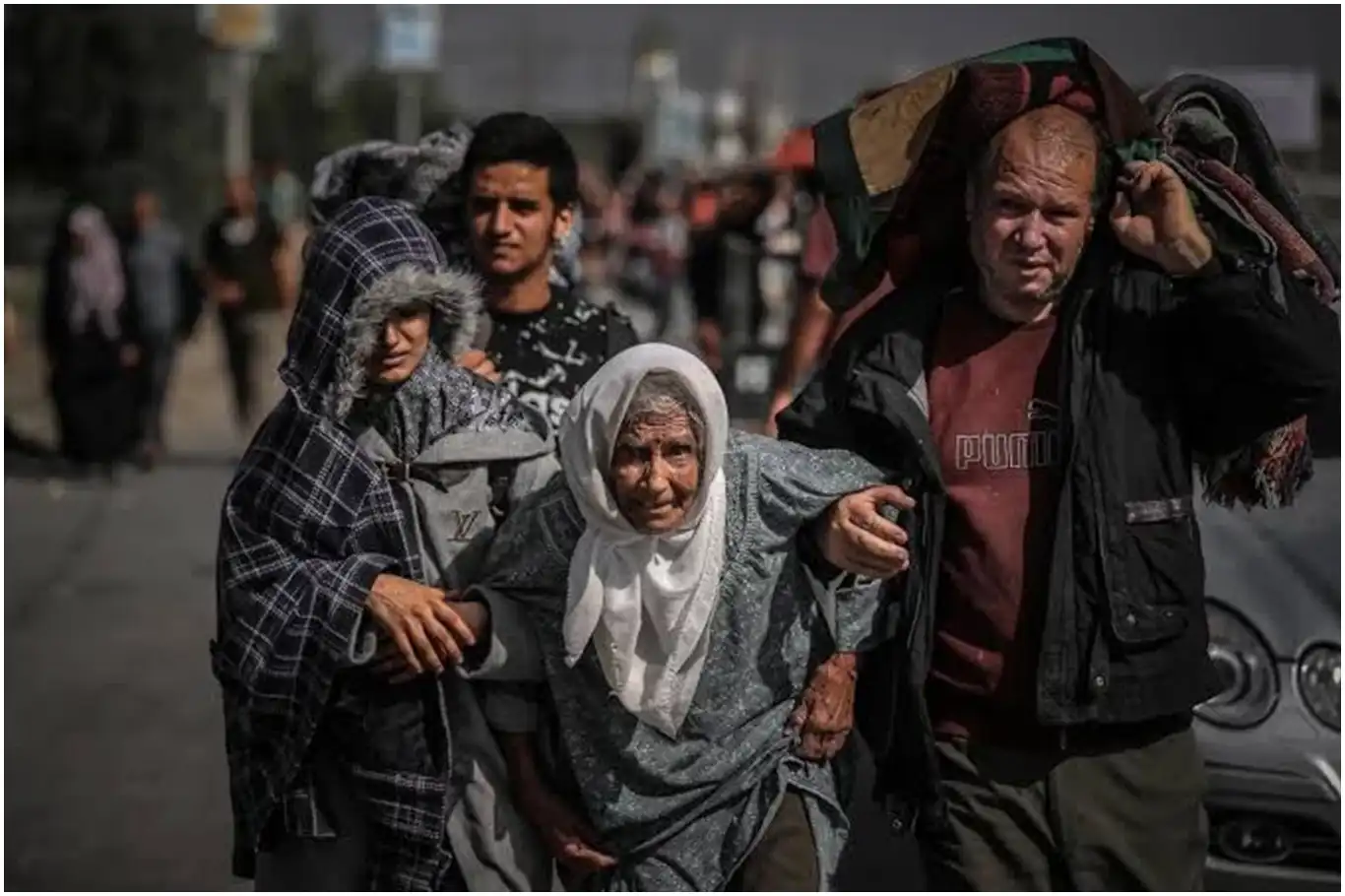
“In Gaza, the elderly and people with disabilities are exposed to disproportionate risk, due to forced displacement and the collapse of the healthcare system,” UNRWA said in a statement. The agency highlighted that essential supplies, including adult diapers, are critically depleted, severely undermining hygiene, health, and basic human dignity for some of the most vulnerable segments of the population.
UNRWA also warned that chronic shortages of life-saving medications are leading to avoidable deaths, particularly among older people and those with long-term illnesses such as diabetes, heart disease, kidney failure, and neurological conditions. Many patients are unable to access regular treatment due to damaged health facilities, lack of electricity, fuel shortages, and restrictions on humanitarian access.
Gaza’s healthcare system has been pushed to the brink after months of sustained Israeli attacks, blockade conditions, and repeated mass displacement. Hospitals that remain partially functional are overwhelmed, operating with minimal staff, limited medical supplies, and frequent power outages. Specialized care for people with disabilities and chronic illnesses has all but collapsed, forcing families to provide care under impossible conditions in overcrowded shelters.
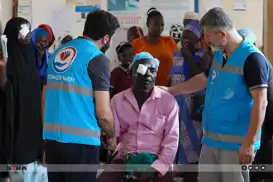
Aid agencies report that elderly Palestinians and people with disabilities are often unable to flee bombardment zones, leaving them trapped without access to food, clean water, sanitation, or medical care. Many shelters lack accessible facilities, further endangering those with mobility impairments.
UNRWA stressed that while it continues to provide health services and emergency assistance, its ability to respond is severely constrained by restrictions on aid entry and distribution.
“UNRWA works to support the most vulnerable through health services but could do more if aid was allowed in at full scale,” the agency said, calling on the international community to ensure unrestricted humanitarian access. “Let UNRWA work at its fullest capacity.”
Humanitarian organizations say aid entering Gaza remains far below what is needed to meet basic survival requirements. Fuel shortages have crippled water desalination plants, sewage treatment facilities, and hospital generators, increasing the risk of disease outbreaks, particularly among elderly and immunocompromised people.
The warning comes as Gaza’s humanitarian indicators continue to deteriorate. According to UN agencies, malnutrition rates are rising sharply, clean water is scarce, and preventable diseases are spreading in overcrowded displacement centers. Elderly Palestinians and people with disabilities are among the first to succumb to these conditions, often dying quietly from untreated illnesses rather than direct attacks.
Rights groups and humanitarian agencies have renewed calls for an immediate and sustained ceasefire, the lifting of restrictions on aid, and accountability for actions that have devastated civilian life in Gaza. They warn that without urgent international intervention, the suffering of Gaza’s most vulnerable will only intensify.
As the crisis deepens, UNRWA and other humanitarian actors continue to insist that protecting civilian life—especially the elderly, the sick, and people with disabilities—must be treated as a moral and legal imperative, not a political bargaining chip. (ILKHA)
LEGAL WARNING: All rights of the published news, photos and videos are reserved by İlke Haber Ajansı Basın Yayın San. Trade A.Ş. Under no circumstances can all or part of the news, photos and videos be used without a written contract or subscription.
Three Palestinians were killed early Sunday after Israeli occupation forces carried out drone attacks targeting the Shujaiyya neighborhood east of Gaza City, in yet another deadly violation of the ceasefire agreement.
The United States has seized a Panama-flagged oil tanker owned by a Chinese company off the coast of Venezuela, sharply escalating tensions between Washington and Caracas and raising concerns over the legality and wider economic impact of the move.
Renewed fighting between Thailand and Cambodia has killed at least 41 people and forced hundreds of thousands of civilians to flee their homes, as clashes along the two countries’ disputed border intensify despite repeated diplomatic efforts to restore a ceasefire.