US seizes China-owned oil tanker near Venezuela
 13 oC
13 oC 
Güneşli

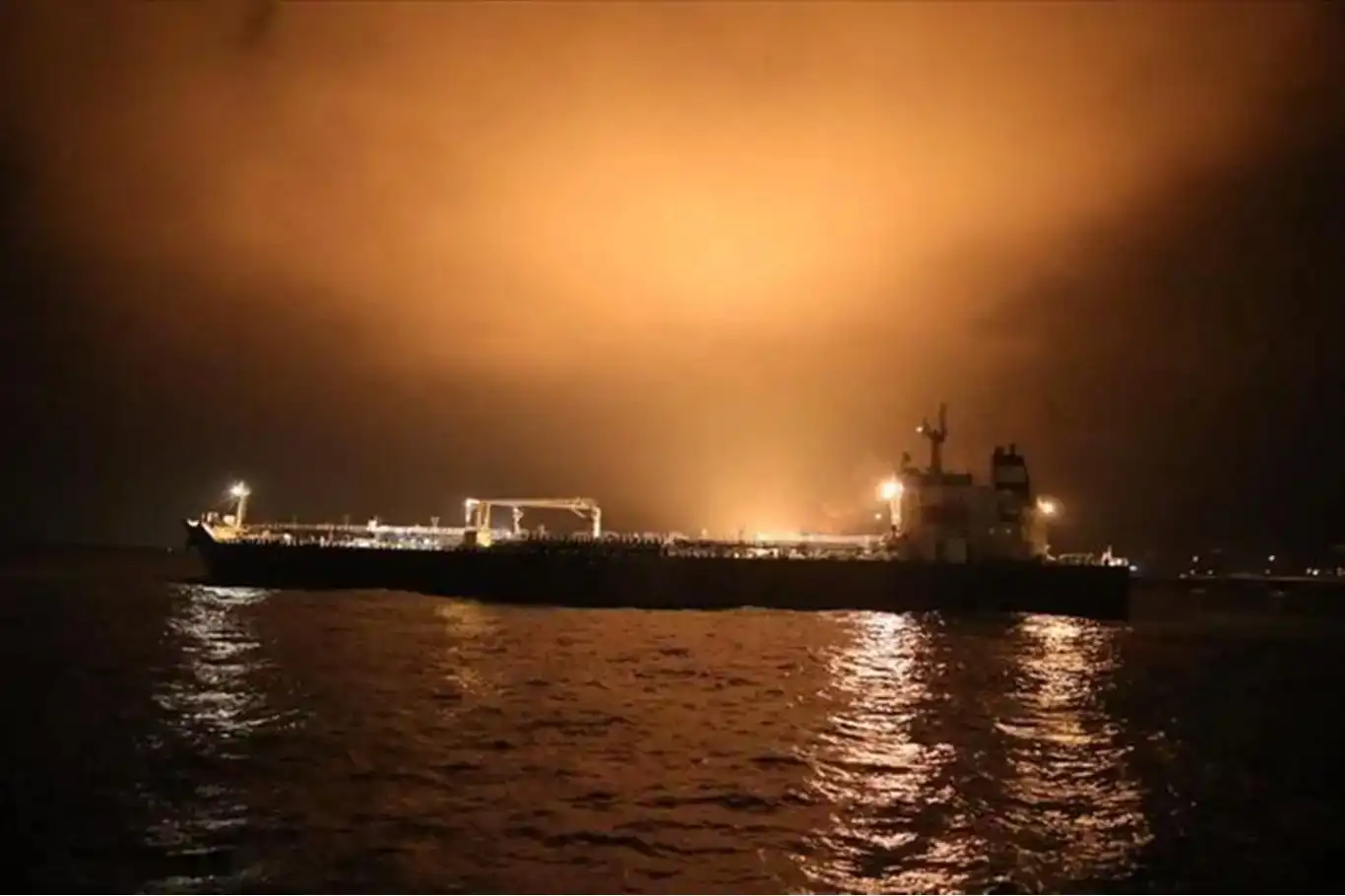
The United States has seized a Panama-flagged oil tanker owned by a Chinese company off the coast of Venezuela, sharply escalating tensions between Washington and Caracas and raising concerns over the legality and wider economic impact of the move.
US forces intercepted the vessel in international waters near Venezuela in what Venezuelan authorities described as a direct assault on the country’s sovereignty and a deliberate attempt to further cripple its economy. Three US officials confirmed the seizure, which took place just days after US President Donald Trump publicly ordered what he described as “a total and complete blockade of all sanctioned oil tankers going into, and out of, Venezuela.”
Despite confirming the operation, the White House declined to disclose the exact coordinates of the interception or provide details on the legal basis for the action, drawing criticism over a lack of transparency and accountability.
While Washington has framed the seizure as part of its ongoing “war on narcotics,” analysts and Venezuelan officials argue that the operation bears little resemblance to conventional counter-drug missions. Instead, they say it aligns closely with a broader sanctions-enforcement campaign aimed at Venezuela’s energy sector, which remains the backbone of the country’s economy and its primary source of state revenue.
Caracas has strongly condemned the seizure, labeling it an act of piracy and economic warfare. Venezuelan officials accused the United States of using drug-trafficking allegations as a pretext to justify aggressive actions designed to undermine the government and seize control of the country’s natural resources.
“The hijacking of this vessel will not go unpunished,” Venezuelan authorities said, announcing plans to file a formal complaint with the United Nations Security Council over what they described as an illegal and hostile act by the United States.
The seizure has already had significant operational and economic consequences for Venezuela. According to shipping data, Venezuelan oil exports have dropped sharply in the aftermath of the incident, with many crude shipments delayed, rerouted, or canceled altogether. Tankers scheduled to load Venezuelan oil have reportedly turned back or avoided the country’s ports to steer clear of US naval patrols operating in the Caribbean.
As export routes tighten, Venezuela’s oil storage facilities are rapidly filling, raising the possibility that state oil company PDVSA may soon be forced to cut production if bottlenecks persist. Energy analysts warn that prolonged disruptions could inflict lasting damage on Venezuela’s oil infrastructure, which has already been strained by years of sanctions and underinvestment.
Global oil markets have reacted with short-term price volatility, reflecting concerns over supply disruptions linked to the expanding US blockade. Traders are closely watching developments in the Caribbean, wary that further seizures or enforcement actions could heighten regional instability and impact global energy flows.
The incident marks a new phase in the long-running standoff between Washington and Caracas, with Venezuela warning that continued maritime seizures could provoke serious diplomatic and legal consequences. As the dispute moves toward international forums such as the UN Security Council, the seizure underscores growing fears that unilateral enforcement actions at sea could further destabilize already tense geopolitical fault lines in the region. (ILKHA)
LEGAL WARNING: All rights of the published news, photos and videos are reserved by İlke Haber Ajansı Basın Yayın San. Trade A.Ş. Under no circumstances can all or part of the news, photos and videos be used without a written contract or subscription.
The United Nations Relief and Works Agency for Palestine Refugees (UNRWA) has issued a stark warning about the worsening humanitarian crisis in Gaza.
Three Palestinians were killed early Sunday after Israeli occupation forces carried out drone attacks targeting the Shujaiyya neighborhood east of Gaza City, in yet another deadly violation of the ceasefire agreement.
Renewed fighting between Thailand and Cambodia has killed at least 41 people and forced hundreds of thousands of civilians to flee their homes, as clashes along the two countries’ disputed border intensify despite repeated diplomatic efforts to restore a ceasefire.