UNRWA warns Gaza is becoming increasingly unlivable amid humanitarian crisis
 13 oC
13 oC 
Güneşli

The Gaza Strip is becoming “an increasingly unlivable place for humans” as shortages of medical supplies, widespread sewage contamination and the long-term effects of malnutrition deepen the humanitarian crisis, the United Nations Relief and Works Agency for Palestine Refugees (UNRWA) has warned.
Dr. Akihiro Seita, UNRWA’s director of health, described the deteriorating conditions in an online interview with Japan’s Jiji Press, warning that Palestinians continue to face severe health and humanitarian challenges despite previous ceasefire agreements.
Seita said restrictions on the delivery of essential medical supplies had left health services struggling to meet the population’s needs, while deteriorating sanitation conditions were increasing the risk of infectious diseases.
More than 75% of Gaza’s population is exposed to open waste and raw sewage, according to figures cited in the interview. The contamination has contributed to a rise in skin conditions and heightened concerns over waterborne diseases.
The crisis has further strained an already devastated healthcare system, leaving vulnerable groups, including children, at greater risk.
Seita also highlighted the long-term consequences of severe malnutrition among infants during periods of acute food shortages.
A follow-up UNRWA study found that children who experienced extreme malnutrition were beginning to show visible developmental delays, particularly in acquiring basic skills such as speaking and walking.
The findings underscore concerns that the effects of the humanitarian crisis will persist long after immediate food shortages ease, potentially affecting an entire generation of Palestinian children.
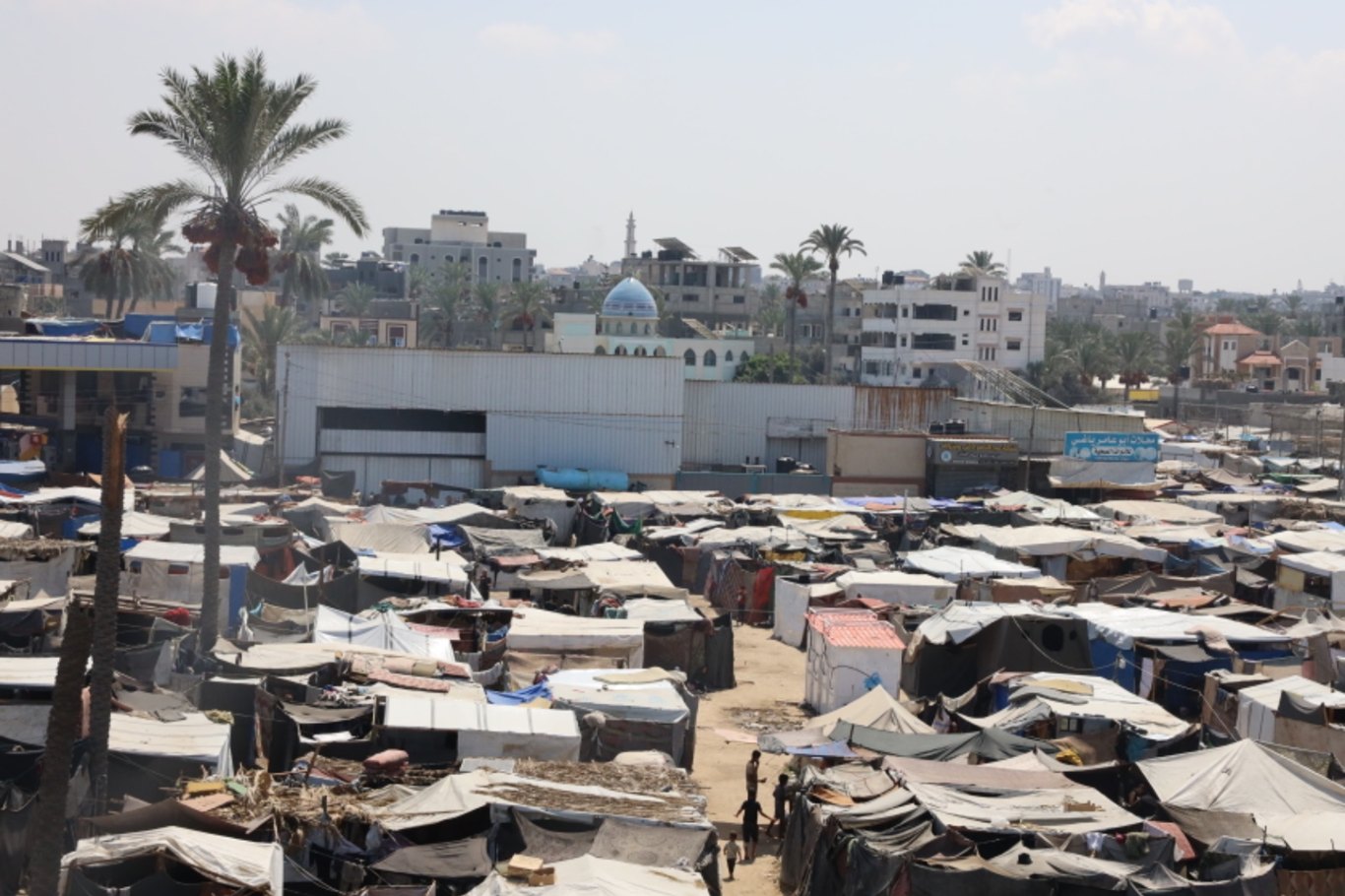
Around 2 million displaced Palestinians have been concentrated in a limited humanitarian zone covering approximately 30% of the Gaza Strip, Seita said.
Many families are living in overcrowded tents under inadequate sanitation and shelter conditions, with limited access to clean water, healthcare and other essential services.
The combination of mass displacement, damaged infrastructure and restricted humanitarian supplies has severely undermined basic living conditions across the enclave.
Seita also expressed concern that international attention was increasingly shifting toward other regional conflicts, including escalating tensions involving Israel and Iran.
He warned that Palestinians in Gaza were increasingly fearful that their suffering was being overlooked as international focus moved elsewhere.
UNRWA has continued to provide healthcare and other essential services despite severe operational constraints. Seita previously oversaw health interventions in Gaza, including a polio vaccination campaign that reached approximately 560,000 children.
The agency has also warned of persistent shortages of essential medicines in its primary healthcare facilities.
Seita’s assessment highlights the scale of the challenge facing Gaza, where the destruction of healthcare infrastructure, widespread displacement, malnutrition and inadequate sanitation continue to threaten public health.
Humanitarian agencies have repeatedly called for sustained access for medical supplies, food, clean water and other essential assistance to prevent further deterioration in living conditions across the territory. (ILKHA)
LEGAL WARNING: All rights of the published news, photos and videos are reserved by İlke Haber Ajansı Basın Yayın San. Trade A.Ş. Under no circumstances can all or part of the news, photos and videos be used without a written contract or subscription.
Testimonies from four Israeli soldiers have revealed that the Israeli military approved a devastating October 31, 2023, airstrike on Gaza’s Jabalia refugee camp despite assessments that it could kill between 250 and 300 Palestinians, the Israeli newspaper Haaretz reported.
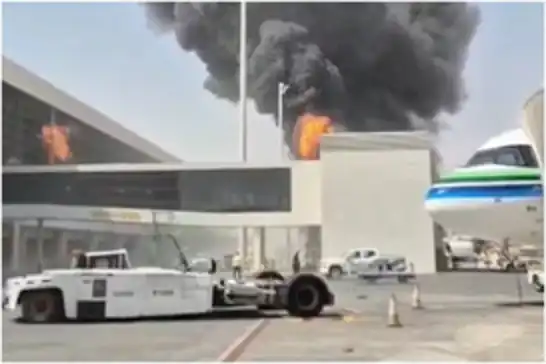
Yemen's Ansarullah movement announced that it had targeted King Khalid International Airport in the Saudi capital Riyadh with a ballistic missile and Khamis Mushait Air Base with an armed drone, saying the operations were carried out in response to continued Saudi attacks on Yemen.
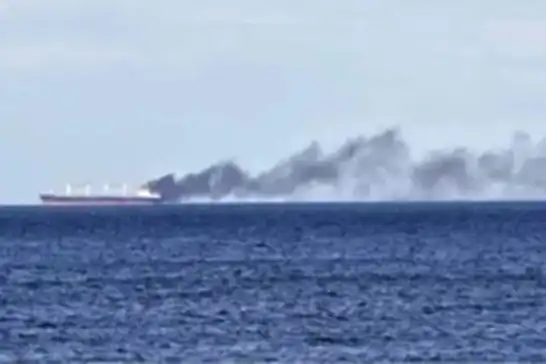
At least 11 crew members remain missing after a commercial ship sank in a drone attack off Bulgaria’s Black Sea coast, while five people have been rescued from the vessel, according to the latest reports on Tuesday.