US-Iran truce under strain as Gulf escalation and Hormuz dispute threaten return to conflict
 13 oC
13 oC 
Güneşli

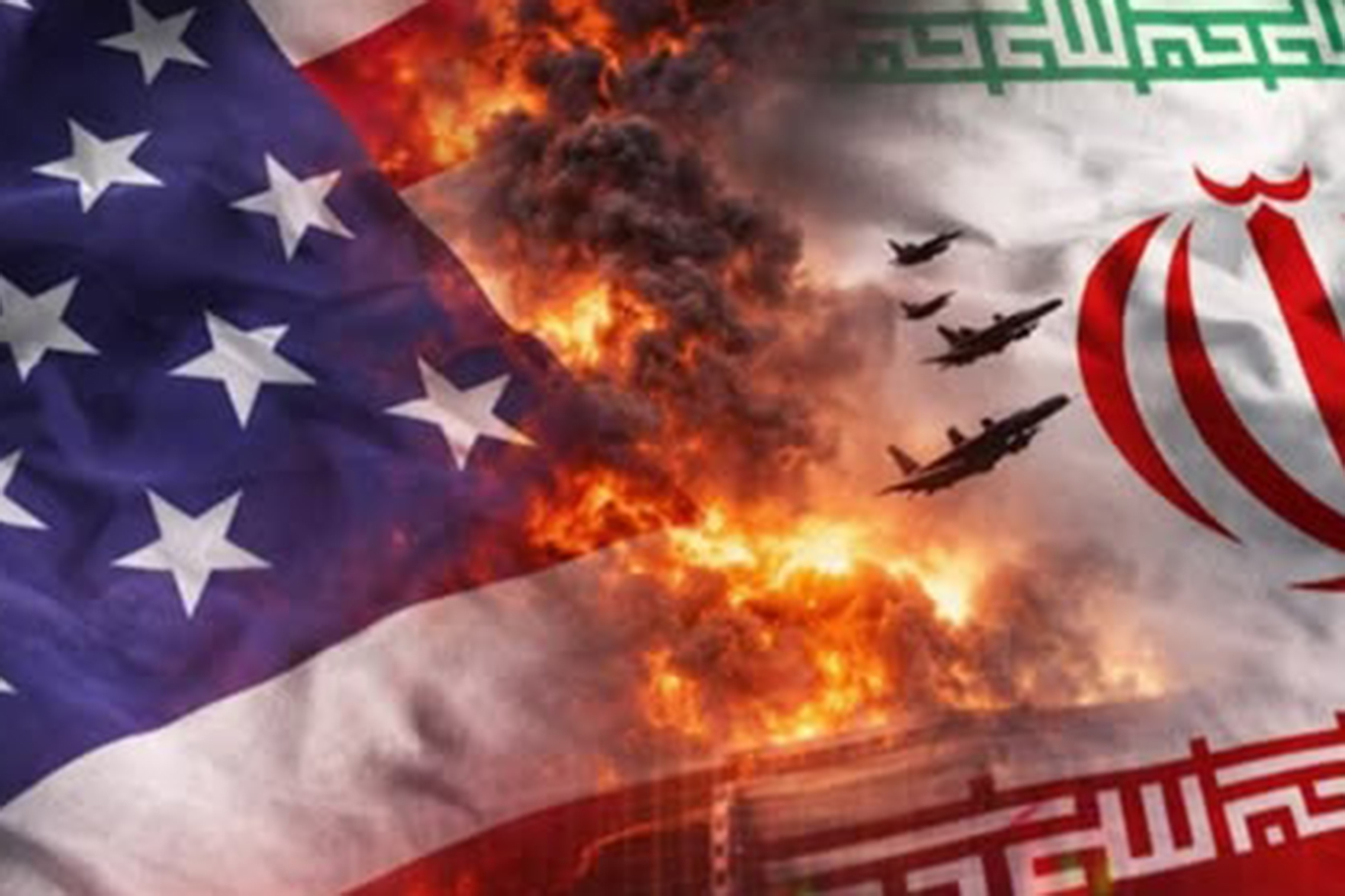
A fragile memorandum of understanding signed between Iran and the United States just ten days ago to end months of military confrontation is facing its most serious test yet, as renewed hostilities in the Persian Gulf and disputes over the Strait of Hormuz and Lebanon threaten to derail the agreement and push the region back toward a broader conflict.
The latest tensions erupted after the United States launched a new series of airstrikes against Iranian military infrastructure along the country's southern coast, claiming the attacks were carried out in response to alleged threats against international shipping in the Strait of Hormuz.
Iran strongly condemned the strikes, describing them as a clear violation of the June 18 memorandum and a breach of international law. The Iranian Foreign Ministry accused Washington of undermining the ceasefire framework and warned that further aggression would be met with a decisive response.
The escalation has reignited concerns that the agreement, once hailed as a breakthrough capable of preventing a wider regional war, may be unraveling under the weight of competing interpretations and conflicting strategic interests.
Dispute Over the Strait of Hormuz
At the heart of the current crisis lies the future administration of the Strait of Hormuz, one of the world's most important maritime chokepoints through which a significant portion of global oil and gas exports passes.
The memorandum committed Iran to making arrangements for the safe passage of commercial vessels through the waterway for a 60-day period. However, the agreement left key terms undefined, creating room for differing interpretations.
Iranian officials maintain that the strait falls under Iran's jurisdiction and insist that any future security framework must respect the sovereign rights of regional states.
Speaking during a visit to Baghdad on Sunday, Iranian Foreign Minister Abbas Araghchi reiterated that the management of the Strait of Hormuz must remain in the hands of countries of the region.
He warned that intervention by outside powers would only increase instability and delay efforts to fully restore maritime traffic.
"Regional security must be built by the countries of the region themselves," Araghchi said, calling for a new Gulf security architecture free from foreign military interference.
The dispute intensified after a commercial vessel transiting a southern shipping lane near Oman was reportedly struck earlier this week, prompting renewed concerns over maritime safety and leading international maritime authorities to suspend plans for expanded transit operations through the strait.
Despite the incident, shipping activity has continued, although insurers and energy traders are closely monitoring developments amid fears of further disruptions.
Lebanon Ceasefire Faces Resistance
Another major point of contention concerns Lebanon, where competing ceasefire arrangements have exposed deep divisions between regional actors.
A separate agreement signed in Washington between Israel and the Lebanese government has generated controversy after including provisions that would allow Israeli forces to remain in parts of southern Lebanon until the complete disarmament of Hezbollah.
The deal excludes both Iran and Hezbollah from its implementation mechanism, a move that has drawn criticism from Tehran and resistance factions across the region.
Iranian officials argue that the arrangement contradicts the broader understanding reached during negotiations aimed at ending hostilities on all fronts.
During his Baghdad visit, Araghchi stressed that the memorandum's first article requires the cessation of military operations across the entire region, including Lebanon.
He called on Washington to fulfill its commitments by restraining Israeli military actions and ensuring the implementation of a comprehensive ceasefire.
Renewed Military Exchanges
The diplomatic crisis has unfolded alongside renewed military exchanges between the two sides.
US Central Command announced additional strikes on Iranian military facilities in Hormozgan Province over the weekend, targeting surveillance infrastructure, communications systems, air-defense positions, drone facilities, and naval capabilities.
Iranian media reported multiple explosions in southern coastal areas, while the Islamic Revolutionary Guard Corps (IRGC) declared that its naval and aerospace forces had launched retaliatory missile and drone operations against several American military installations in the region.
The IRGC warned that any future attacks by Washington would trigger a significantly stronger response and accused the United States of violating both the memorandum and regional security understandings.
Regional and Global Concerns
The renewed tensions have alarmed regional governments concerned about the economic consequences of another military confrontation in the Gulf.
Iraqi Foreign Minister Fuad Hussein called for the full implementation of the US-Iran memorandum, emphasizing the importance of reopening maritime routes and preventing a return to war.
He stressed that Iraq opposes military escalation and supports diplomatic efforts aimed at restoring stability throughout the region.
Energy markets have also reacted nervously to the developments. Analysts warn that prolonged instability in the Strait of Hormuz could drive up shipping costs, increase insurance premiums, disrupt global energy supplies, and place additional pressure on economies already struggling with inflation and geopolitical uncertainty.
Uncertain Future for the Agreement
Diplomatic observers note that the memorandum was intentionally drafted in broad terms to allow room for future negotiations and confidence-building measures. However, recent events suggest that ambiguities surrounding key issues such as Gulf security, maritime administration, and regional ceasefires have become sources of tension rather than compromise.
With airstrikes resuming, accusations mounting, and both sides signaling readiness to defend their positions, concerns are growing that the fragile truce may be entering a critical phase.
Whether diplomacy can still rescue the agreement or whether the region is headed toward another cycle of confrontation remains one of the most pressing questions facing Middle Eastern and international policymakers in the days ahead. (ILKHA)
LEGAL WARNING: All rights of the published news, photos and videos are reserved by İlke Haber Ajansı Basın Yayın San. Trade A.Ş. Under no circumstances can all or part of the news, photos and videos be used without a written contract or subscription.

A helicopter operated by Saudi Aramco crashed in the eastern coastal city of Ras Tanura early Sunday, killing all 14 people aboard, Saudi state media reported.
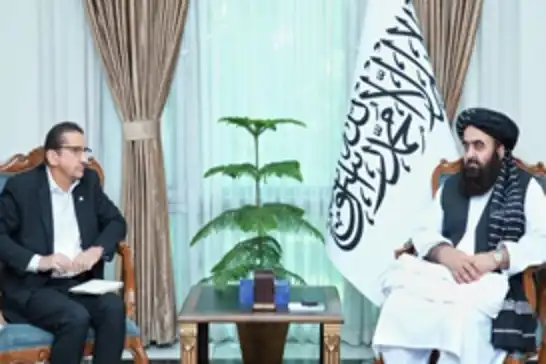
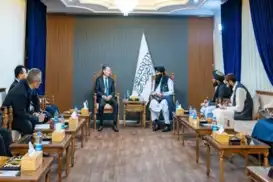
Afghan Foreign Minister Mawlavi Amir Khan Muttaqi on Sunday welcomed the incoming UNAMA Deputy Envoy Bruno Lamarque to Kabul for high-level discussions aimed at expanding humanitarian assistance and deepening cooperation between Afghanistan and the United Nations.

The World Health Organization (WHO) has reported more than 1,300 excess deaths across Europe since June 21, as an intense heatwave continues to grip large parts of the continent and place growing strain on health systems and infrastructure.