US targets Iran’s economic arteries on third consecutive night of strikes
 13 oC
13 oC 
Güneşli

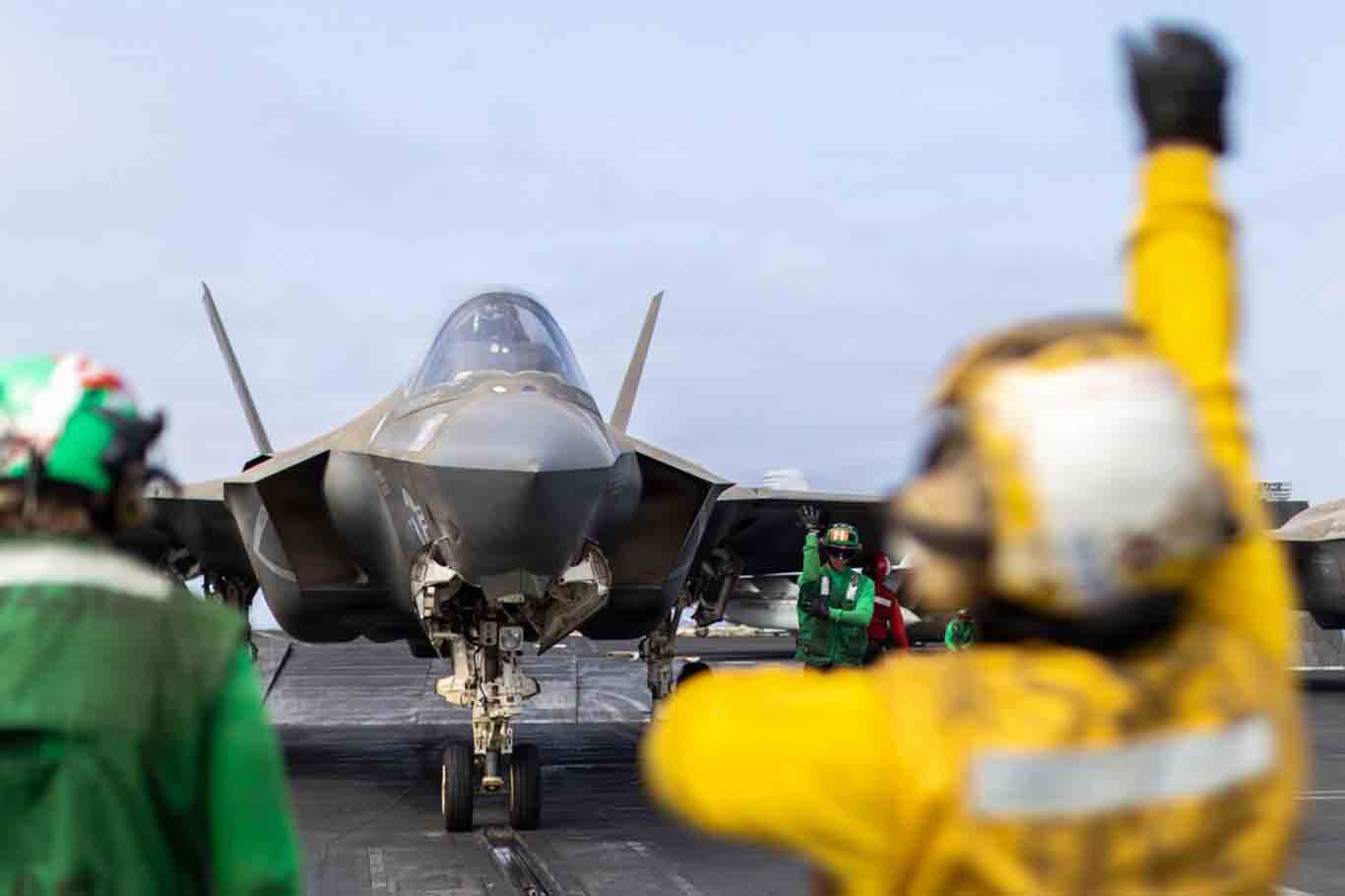
The United States has intensified its military campaign against the Islamic Republic of Iran, launching a third consecutive night of airstrikes that Iranian sources say targeted critical civilian and economic infrastructure across the country's southern provinces under the direct orders of US President Donald Trump.
US Central Command (CENTCOM) claimed the attacks were aimed at imposing further costs on Iran and reducing its ability to influence commercial shipping in the Strait of Hormuz. However, reports from within Iran indicate that the strikes extended far beyond military objectives, hitting key ports, transportation facilities, and economic assets vital to the country's economy.
The latest wave of attacks comes amid a sharp escalation in hostilities following the collapse of the June ceasefire, with Washington continuing what Tehran views as an illegal campaign of military aggression against Iranian territory.
Iranian state television reported explosions in the strategic port city of Bandar Abbas, while two additional blasts were heard on Kish Island. The Fars News Agency also confirmed explosions in the city of Jam in Bushehr Province.
According to Nour News, at least six explosions rocked Kish Island, triggering fires aboard three ships docked at the island's passenger port. Fars News further reported that the US strikes directly targeted the island's passenger pier, raising concerns over attacks on civilian maritime infrastructure.
Local sources in Tehran rejected Washington's assertion that the operation focused exclusively on military sites overlooking the Strait of Hormuz.
Instead, Iranian reports indicate that the strikes struck ports, coastal infrastructure, and economic facilities across several locations, including the strategic islands of Qeshm, Kish, and Abu Musa, as well as the major ports of Bandar Abbas and Chabahar.
Iranian observers described the attacks as a deliberate attempt to damage the country's economic lifelines and disrupt civilian transportation networks rather than a narrowly focused military operation.
The expanding US campaign has further heightened regional tensions, with Iranian officials emphasizing that the attacks represent another violation of Iran's sovereignty and international law.
Military analysts in Tehran expect the Islamic Republic to respond through decisions coordinated by the Khatam al-Anbiya Central Headquarters, the country's unified military command responsible for overseeing Iran's defensive operations.
The latest strikes follow several days of reciprocal military actions between Iran and the United States, including Iranian operations targeting US military installations across the region in response to continued American attacks on Iranian territory.
As the confrontation deepens, concerns continue to mount that Washington's expanding military operations against Iran's critical infrastructure could further destabilize the Persian Gulf and threaten security around the strategically vital Strait of Hormuz. (ILKHA)
LEGAL WARNING: All rights of the published news, photos and videos are reserved by İlke Haber Ajansı Basın Yayın San. Trade A.Ş. Under no circumstances can all or part of the news, photos and videos be used without a written contract or subscription.

Pro-Palestine activists staged high-profile demonstrations in central London on Monday, raising the Palestinian flag on the iconic Tower Bridge and calling for the immediate release of Dr. Hussam Abu Safiya, the director of Gaza's Kamal Adwan Hospital, who has remained in Israeli detention since 2024.
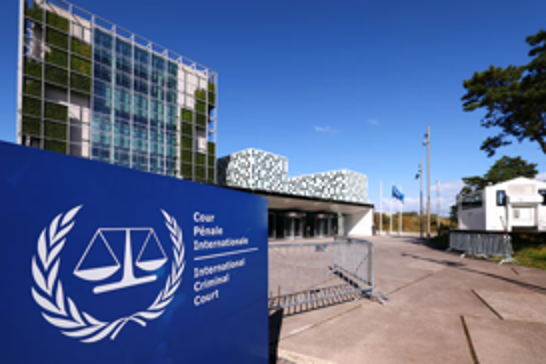
The Trump administration has launched a renewed effort to challenge the authority of the International Criminal Court (ICC), arguing that the Hague-based tribunal poses a threat to American sovereignty.
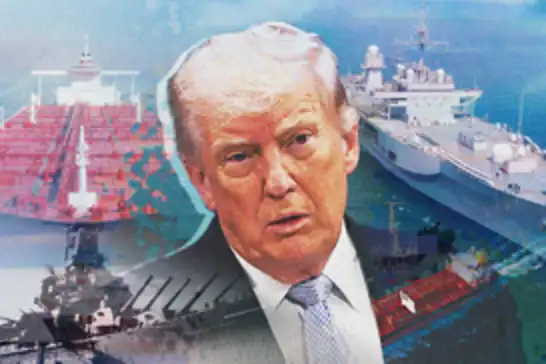
Iran has firmly rejected U.S. President Donald Trump’s announcement that Washington would assume control of the Strait of Hormuz, condemning the move as a dangerous escalation and reaffirming that the Islamic Republic will never allow foreign powers to interfere in the management of one of the world’s most strategic waterways.