Yemeni Armed Forces target Aramco facility in retaliation for Saudi strikes
 13 oC
13 oC 
Güneşli

The Yemeni Armed Forces said on Saturday they had launched a major military operation against Saudi Aramco sites in Riyadh using ballistic missiles and drones, describing the attack as a response to intensified Saudi strikes on Sanaa and other parts of Yemen.
The Yemeni forces said the operation hit its intended targets accurately and directly, causing fires at the targeted sites.
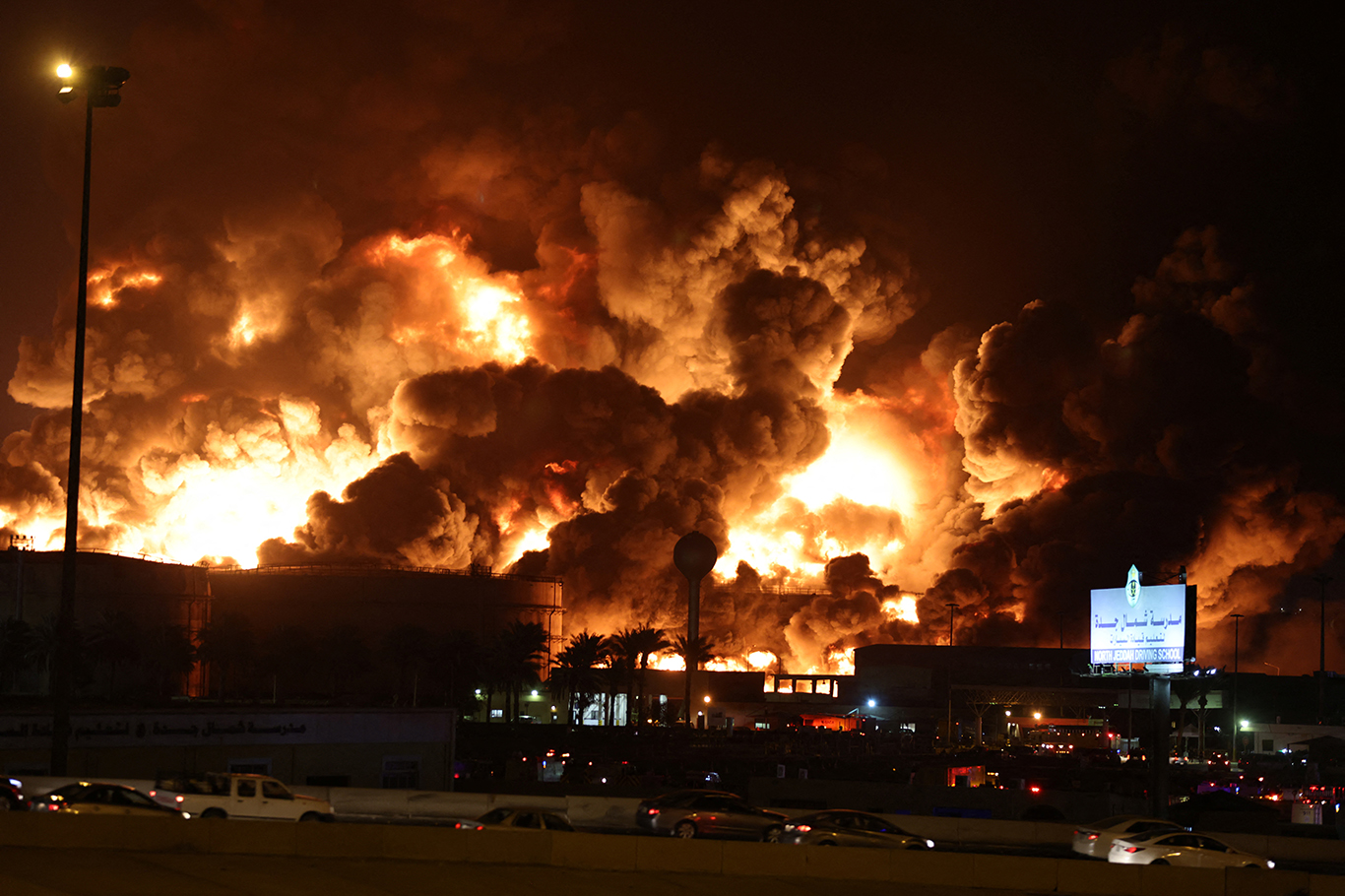
A large plume of smoke and flames was seen rising near an Aramco facility in Riyadh, according to a Reuters witness, providing visual evidence of an incident near the Saudi oil giant's facilities. The cause of the fire was not immediately independently established.
The operation followed what the Yemeni Armed Forces described as an intensification of Saudi attacks across Yemen. According to a statement issued by the forces, 60 airstrikes and missile attacks were carried out against Yemen during the previous 24 hours.
The Yemeni side said the reported attacks brought the total number of Saudi airstrikes and missile attacks since the latest escalation began to 1,410. The figures could not be independently verified.
Yemen vows to answer escalation with escalation
The Yemeni Armed Forces said the Riyadh operation was intended to demonstrate that attacks on Yemen would not go unanswered.
The forces warned that continued attacks and what they described as massacres of Yemeni civilians would bring further military escalation and impose a growing cost on those carrying out the attacks.
“The price of disregarding the blood of our believing people will be great and costly,” the statement said, warning that continued attacks on Yemen would have consequences.
The Yemeni Armed Forces also reaffirmed what they called the “blockade for blockade, escalation for escalation” equation, saying they would continue defensive operations until the attacks against Yemen ended and the blockade was lifted.
Aramco facility targeted
The reported strike on an Aramco facility marks a significant escalation because Saudi Arabia's oil infrastructure is central to the country's economy and energy exports.
The Yemeni Armed Forces said the attack was directed at strategic sites rather than civilians and stressed that its operations were a response to Saudi military action against Yemen.
Saudi authorities have not immediately confirmed the full extent of any damage at the reported Aramco site.
The latest escalation comes after years of conflict that have left Yemen facing a severe humanitarian crisis. Yemeni authorities and humanitarian organizations have repeatedly warned about the consequences of attacks on civilian infrastructure and restrictions affecting the delivery of essential goods.
Yemen says attacks will continue until aggression ends
The Yemeni Armed Forces said their military response would continue as long as attacks against Yemen persisted.
The statement portrayed the latest operation as part of a broader effort to deter further attacks and defend Yemen against what it described as ongoing aggression.
The latest exchange underscores the continuing volatility of the Yemen conflict and the growing risks to regional stability, particularly as attacks involving missiles and drones increasingly threaten critical infrastructure beyond Yemen's borders. (ILKHA)
LEGAL WARNING: All rights of the published news, photos and videos are reserved by İlke Haber Ajansı Basın Yayın San. Trade A.Ş. Under no circumstances can all or part of the news, photos and videos be used without a written contract or subscription.

Bosnia and Herzegovina votes on Sunday in elections that will test whether the country can overcome years of political deadlock and revive its stalled bid to join the European Union.

Ukraine will intensify attacks on Russian oil refineries in response to what President Volodymyr Zelenskiy described as a new Russian airstrike policy aimed at forcing residents to leave Kyiv and other Ukrainian cities, but Kyiv will not target civilians, he said.

A senior United Nations Food and Agriculture Organization (FAO) official says he lost his job after 26 years with the agency because of his criticism of Israel’s war on Gaza and his involvement in protests over the territory’s worsening hunger crisis.