Zelensky says Ukraine will intensify strikes on Russian oil refineries
 13 oC
13 oC 
Güneşli

Ukraine will intensify attacks on Russian oil refineries in response to what President Volodymyr Zelenskiy described as a new Russian airstrike policy aimed at forcing residents to leave Kyiv and other Ukrainian cities, but Kyiv will not target civilians, he said.
Zelenskiy said that Ukrainian intelligence had obtained documents indicating that Russian President Vladimir Putin had approved a “new doctrine” allowing attacks on a broader range of civilian infrastructure ahead of winter.
“We saw documents and we know that they allow them to attack infrastructure ... logistics ... roads, schools, hospitals, to pressure people to leave the capital, leave different cities,” Zelenskiy said. “This is the goal of the operation.”
Zelenskiy said Ukraine would respond by striking Russian energy infrastructure, particularly oil refineries that generate revenue for Moscow's war effort.
“We have to respond in any way we can. With their attacks on our energy, we have to respond on their energy. First of all, oil refineries: what gives money to them for this war,” he said.
“But we will not respond, of course, just like them, on any civilian objects.”
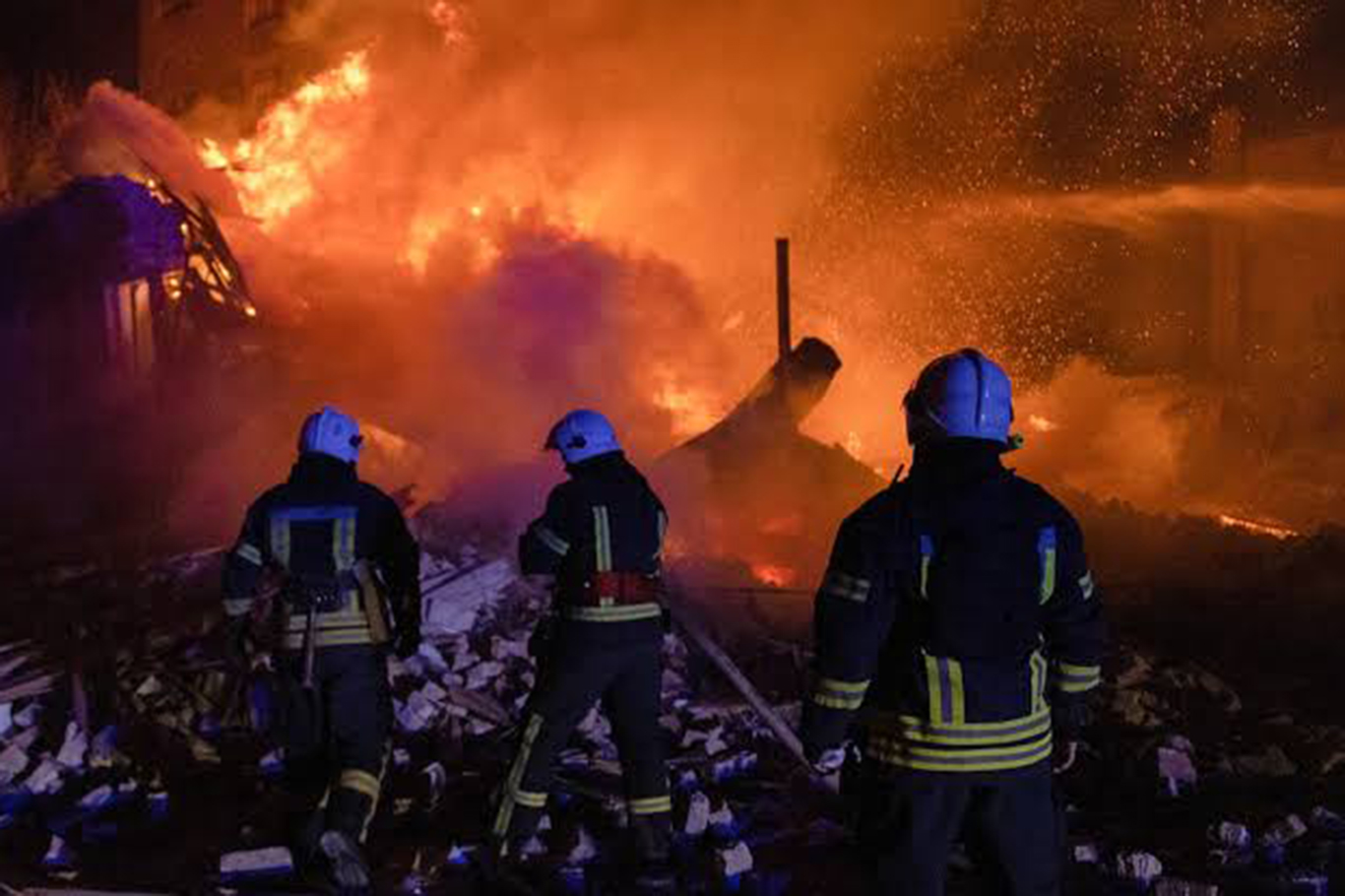
Russia has stepped up attacks on Kyiv and other Ukrainian cities in recent days, hitting infrastructure including bridges across the Dnipro River. Russian authorities have described the strikes as retaliatory and said they would continue what Moscow calls targeted attacks.
On Saturday, Russia urged foreign nationals and diplomats to leave Kyiv, saying it would continue systematic retaliatory strikes against targets in the Ukrainian capital and elsewhere.
Both Russia and Ukraine deny deliberately targeting civilians.
Ukraine has increasingly targeted Russia's oil and fuel infrastructure with long-range drones, seeking to disrupt a key source of revenue for Moscow and complicate its ability to supply its military.
The strikes have affected Russian refinery operations and contributed to pressure on domestic fuel supplies, according to recent Reuters reporting.
Zelenskiy said the intensified attacks were a response to Russia's campaign against Ukraine's energy infrastructure, particularly as winter approaches.
Ukraine has also been expanding its long-range strike capabilities. Zelenskiy said Kyiv would continue developing domestically produced weapons capable of hitting targets deep inside Russia.
Zelenskiy said the change in Russia's airstrike policy was driven in part by Putin's desire to demonstrate strength while Russian forces were suffering heavy casualties and losing ground in a key frontline region.
Russia has continued missile and drone attacks across Ukraine, while Ukrainian forces have stepped up strikes against military, energy and logistics targets inside Russia.
The latest escalation comes despite continuing diplomatic efforts to end the war. Moscow and Kyiv remain divided over the conditions for a settlement, while fighting continues along the roughly 1,200-km front.
Zelenskiy said Ukraine would continue striking infrastructure that supports Russia's military campaign while avoiding attacks on civilian targets.
“We have to respond in any way we can,” he said. “With their attacks on our energy, we have to respond on their energy.” (ILKHA)
LEGAL WARNING: All rights of the published news, photos and videos are reserved by İlke Haber Ajansı Basın Yayın San. Trade A.Ş. Under no circumstances can all or part of the news, photos and videos be used without a written contract or subscription.
The Yemeni Armed Forces said on Saturday they had launched a major military operation against Saudi Aramco sites in Riyadh using ballistic missiles and drones, describing the attack as a response to intensified Saudi strikes on Sanaa and other parts of Yemen.

Bosnia and Herzegovina votes on Sunday in elections that will test whether the country can overcome years of political deadlock and revive its stalled bid to join the European Union.
A senior United Nations Food and Agriculture Organization (FAO) official says he lost his job after 26 years with the agency because of his criticism of Israel’s war on Gaza and his involvement in protests over the territory’s worsening hunger crisis.