Zelensky rules out elections in Russian-occupied Ukrainian territories
 13 oC

Güneşli

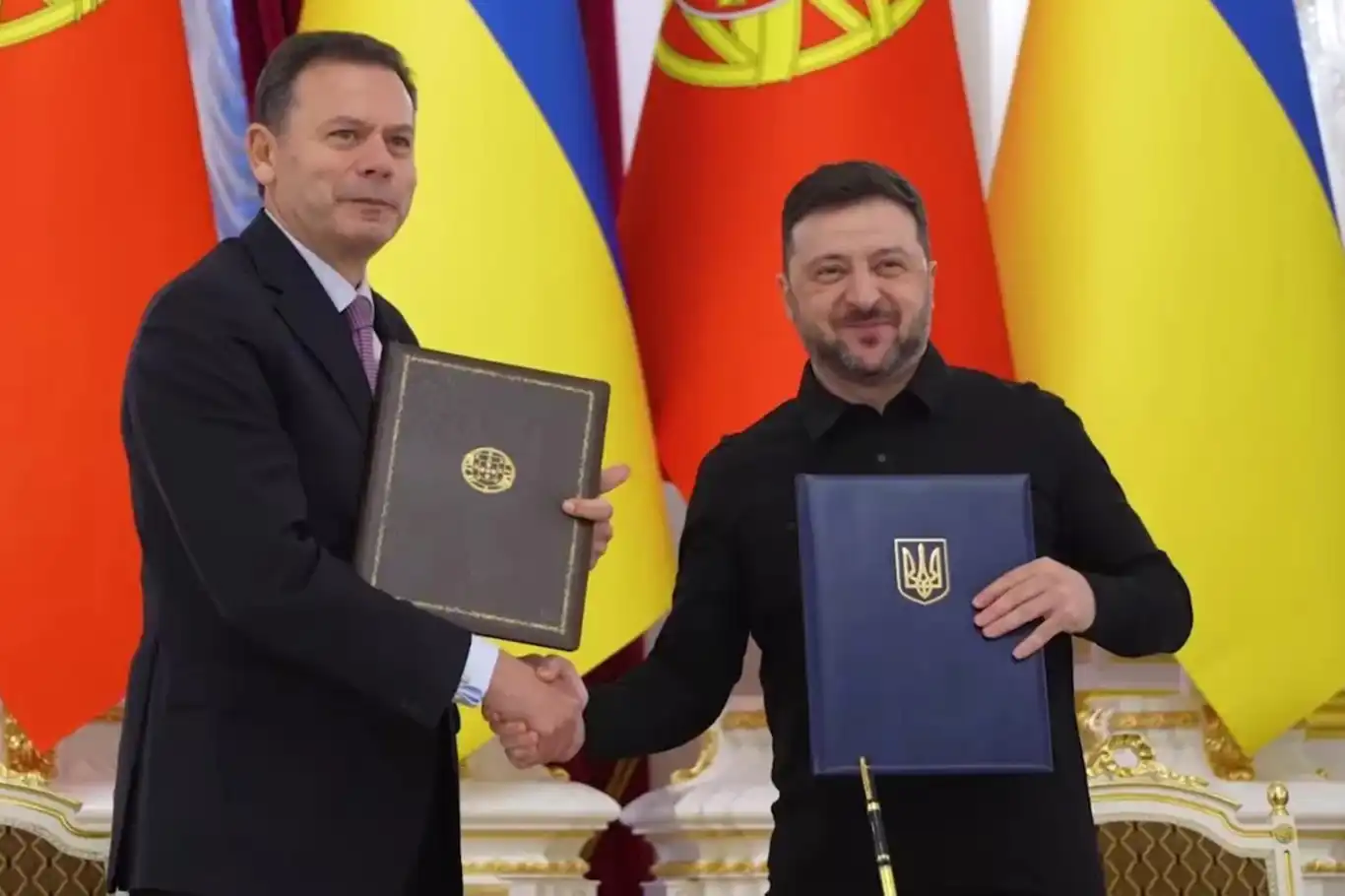
Ukrainian President Volodymyr Zelensky has reiterated that it is impossible to hold elections in parts of Ukraine currently under Russian occupation, stressing that any nationwide vote can only take place once basic security conditions are guaranteed.
Speaking on the issue of future elections, Zelensky underlined that democratic processes cannot be conducted in territories where Ukrainian state authority is absent and where residents live under the control of occupying forces. “Elections require freedom, safety, and the rule of Ukrainian law,” he said, noting that these conditions do not exist in regions seized by Russia since the start of its full-scale invasion in February 2022.
The president emphasized that the safety of voters, election workers, and observers is a fundamental prerequisite for any electoral process. Ongoing hostilities, missile attacks, drone strikes, and the presence of Russian troops make it impossible to ensure fair and secure voting in occupied areas, he added. Ukrainian officials have repeatedly warned that Russia has carried out forced passportization, repression, and sham votes in occupied regions, actions Kyiv and the international community have condemned as illegal and illegitimate.
Zelensky also addressed the situation of millions of Ukrainians displaced by the war, including those living abroad. He said that Ukraine’s foreign minister has begun preliminary work on developing the necessary infrastructure to enable Ukrainians overseas to participate in future elections. This includes exploring legal, technical, and logistical mechanisms to allow voting from abroad while maintaining transparency and preventing interference.
Under Ukraine’s constitution, national elections cannot be held while martial law is in force. Martial law was introduced following Russia’s invasion and has been extended multiple times due to the ongoing conflict. Ukrainian authorities argue that lifting martial law or organizing elections amid active warfare would endanger citizens and undermine the credibility of the democratic process.
International partners have largely supported Kyiv’s position, acknowledging that free and fair elections are incompatible with occupation and constant security threats. Western governments and international organizations have consistently recognized Zelensky as Ukraine’s legitimate president and rejected any electoral processes organized by Russia in occupied Ukrainian territories.
As the war continues, Ukrainian officials maintain that restoring territorial integrity and ensuring lasting security are essential steps before the country can return to a normal electoral cycle. Until then, Kyiv insists that any vote held under occupation or amid ongoing violence would be neither democratic nor representative of the will of the Ukrainian people. (ILKHA)
LEGAL WARNING: All rights of the published news, photos and videos are reserved by İlke Haber Ajansı Basın Yayın San. Trade A.Ş. Under no circumstances can all or part of the news, photos and videos be used without a written contract or subscription.
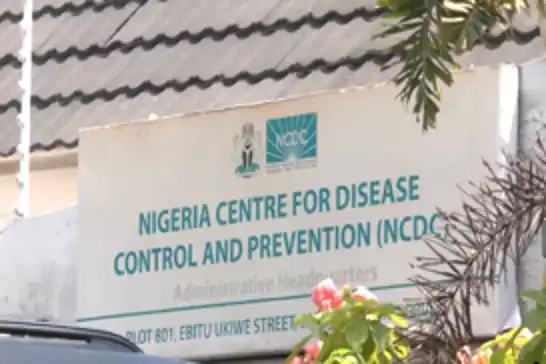
The Africa Centres for Disease Control and Prevention (Africa CDC) has convened an extraordinary virtual meeting of African health ministers for 28 October after Nigeria confirmed its first Ebola case, as the outbreak continues to spread across multiple regions of the continent and raises concerns over cross-border transmission.
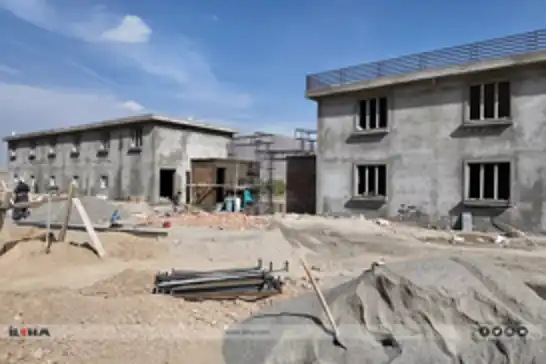
The Orphan Foundation has launched the third phase of construction of its Orphanage Complex Project in Afghanistan after completing the first two stages, while appealing for continued public support to help bring the project to completion.
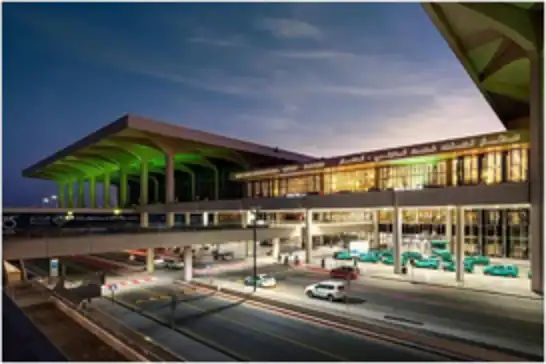
One person was killed and eight others injured after an attack targeted King Fahd International Airport in the Saudi city of Dammam, according to the Kingdom's General Authority of Civil Aviation (GACA).
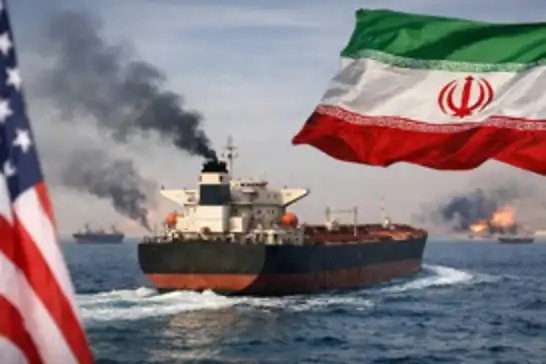
Iran’s Islamic Revolutionary Guard Corps (IRGC) Navy said seven vessels were hit by strikes or naval mines in the Persian Gulf and west of the Strait of Hormuz, as Tehran reaffirmed its determination to maintain control over the strategic waterway amid escalating confrontation with the United States.