Azerbaijan–Israel ties deepen through defence, energy and strategic cooperation
 13 oC

Güneşli

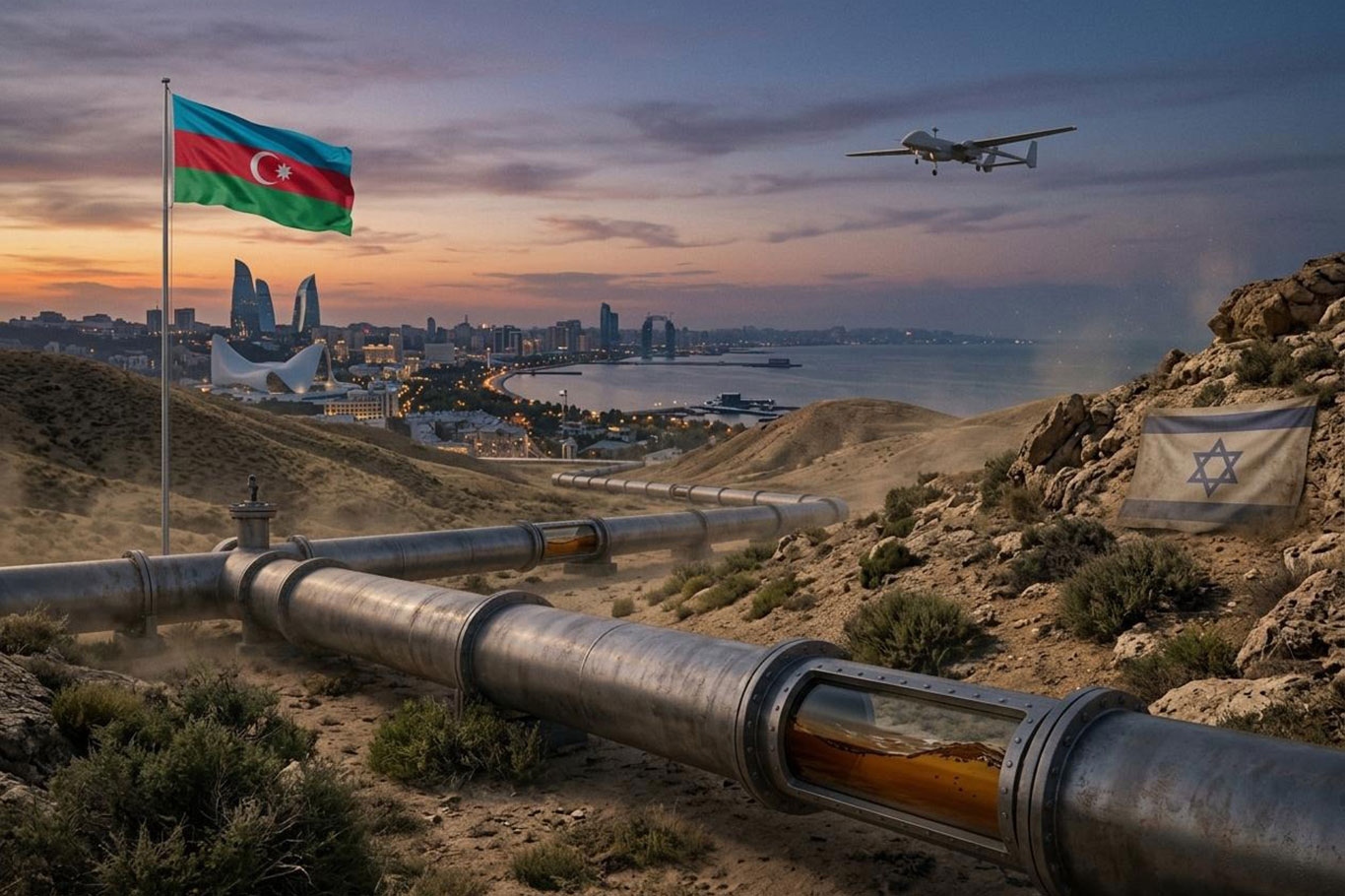
Relations between Azerbaijan and the Israel occupation regime have developed into one of the most notable strategic partnerships between a Muslim-majority country and Israel, built around mutual interests, defence cooperation, energy ties and regional security considerations.
The Baku–Tel Aviv relationship has expanded over more than three decades, with defence, intelligence, diplomacy and trade becoming the main pillars of cooperation. Recent high-level contacts have continued to highlight the strategic nature of the partnership, including a meeting between Azerbaijani President Ilham Aliyev and Israel President Isaac Herzog in Baku in October 2026, where both sides discussed strengthening bilateral cooperation.
Diplomatic relations expanded after 1992
The Israel occupation regime was among the first countries to recognise Azerbaijan's independence after the collapse of the Soviet Union in 1991. Diplomatic relations between the two sides were established in April 1992, and Israel opened an embassy in Baku in 1993.
For many years, Azerbaijan avoided opening an embassy in Tel Aviv due to regional sensitivities and concerns over reactions from Iran and parts of the Muslim world. However, relations entered a new phase when Azerbaijan officially opened its embassy in Tel Aviv on 29 March 2023.
The move marked a further institutionalisation of bilateral ties and reflected the growing importance of the relationship in Azerbaijan's foreign policy.
Defence and intelligence cooperation at the centre
The most significant dimension of Azerbaijan–Israel relations has been cooperation in defence and intelligence.
Israel has played a role in Azerbaijan's military modernisation efforts alongside Türkiye, particularly through advanced defence technologies, unmanned aerial vehicles, precision-guided systems and electronic warfare capabilities.
During the 2020 Second Karabakh War and subsequent military operations, Israeli-made systems, including Harop loitering munitions, Hermes unmanned aerial vehicles and other defence technologies, were widely reported to have contributed to Azerbaijan's battlefield capabilities.
The defence partnership has remained a key element of bilateral relations, with Azerbaijan seeking advanced military technologies and Israel maintaining a strategic partner in the South Caucasus.
Iran factor shaping the partnership
One of the main factors behind the close security cooperation between Baku and Tel Aviv has been the regional security environment, particularly tensions involving Iran.
Regional analysts have frequently pointed to Iran as a factor influencing the development of Azerbaijan–Israel security ties. While Azerbaijan benefits from Israel's technological capabilities in areas such as intelligence, surveillance and security systems, Israel views Azerbaijan's geographic position near Iran as strategically important.
At the same time, Azerbaijan has sought to maintain its own independent foreign policy approach and balance relations with neighbouring countries.
 Energy trade strengthens economic ties
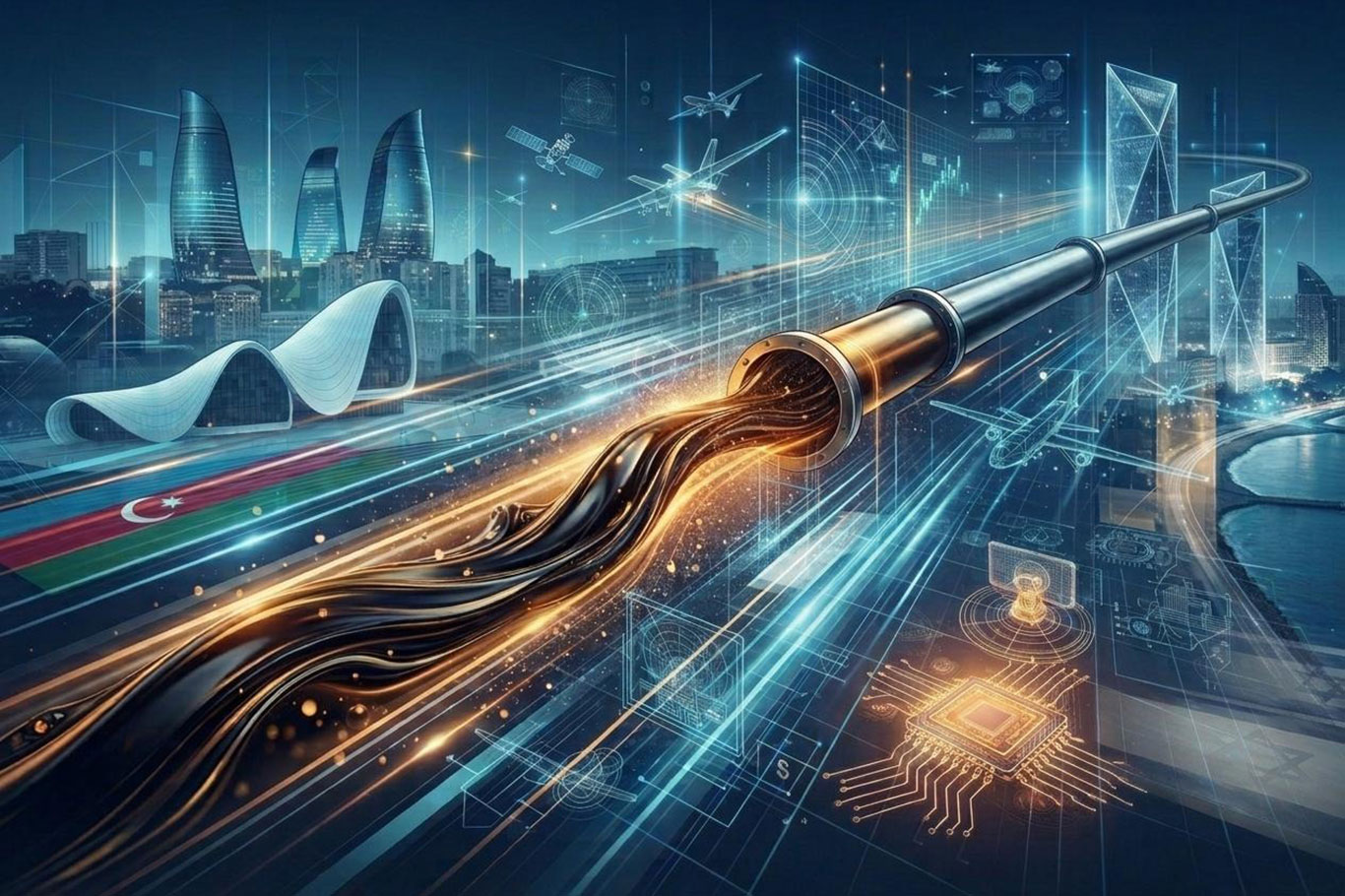
Energy has been another major pillar of bilateral relations.
Azerbaijan supplies a significant share of Israel's oil needs through the Baku–Tbilisi–Ceyhan (BTC) pipeline, which connects Caspian energy resources to international markets through Türkiye.
The energy relationship has given Israel a stable source of supply, while Azerbaijan has benefited from access to a key regional market. Energy cooperation remains one of the strongest economic links between the two countries.
Cooperation expands beyond defence and energy
Bilateral relations are not limited to military and energy cooperation. The two countries have also expanded ties in areas including agriculture technologies, water management, cybersecurity, innovation and healthcare.
Recent agreements have aimed to deepen private-sector cooperation and create new investment opportunities, reflecting efforts to broaden the partnership beyond traditional strategic fields.
Azerbaijan is also home to one of the world's oldest Jewish communities, including the Mountain Jews, whose presence in the country has often been cited as one of the historical elements shaping relations between Azerbaijan and Israel.
Strategic partnership faces regional pressures
The close relationship between Azerbaijan and the Israel regime has drawn attention amid wider regional tensions, particularly following developments in Gaza, Lebanon and disputes involving Türkiye and Israel.
Despite domestic and regional criticism, the Azerbaijani government has continued to prioritise what it describes as national interests and a multi-directional foreign policy approach.
For Baku, cooperation with Israel provides strategic, technological and economic advantages, while for Tel Aviv, Azerbaijan represents an important partner in the South Caucasus due to its geographic position, energy resources and security role.
The relationship between Azerbaijan and Israel is therefore expected to remain a significant factor in regional diplomacy, defence cooperation and energy security calculations.(ILKHA)
LEGAL WARNING: All rights of the published news, photos and videos are reserved by İlke Haber Ajansı Basın Yayın San. Trade A.Ş. Under no circumstances can all or part of the news, photos and videos be used without a written contract or subscription.
Bosnia-Herzegovina’s first president remains an enduring inspiration for Muslims worldwide through his steadfast faith, intellectual legacy and struggle for his people’s freedom and dignity.

US President Donald Trump has drawn criticism after making remarks about the name “Muhammad” at an election rally in Georgia, prompting renewed concerns over the stereotyping of Muslims and the growing normalisation of anti-Islamic rhetoric in American political discourse.
Twelve years after the October 6-8, 2014 violence in southeastern Türkiye, questions over accountability and the course of the judicial process continue to be raised by victims' families and their lawyers.
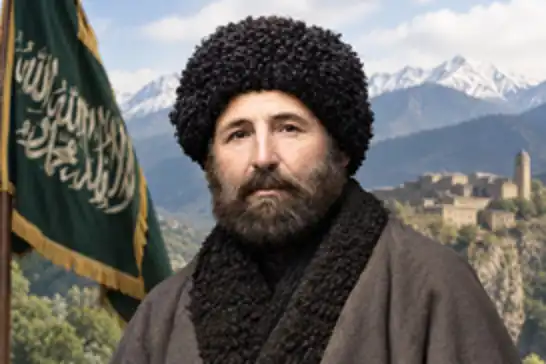
For more than a decade, Najmuddin Gotsinskii stood at the center of the North Caucasus’ turbulent struggle against Bolshevik rule, combining religious authority with political and military leadership in an effort to preserve Islamic institutions and establish a society governed by sharia.