Israel election deadlock: Possible scenarios and what they mean for Palestine’s future
 13 oC

Güneşli

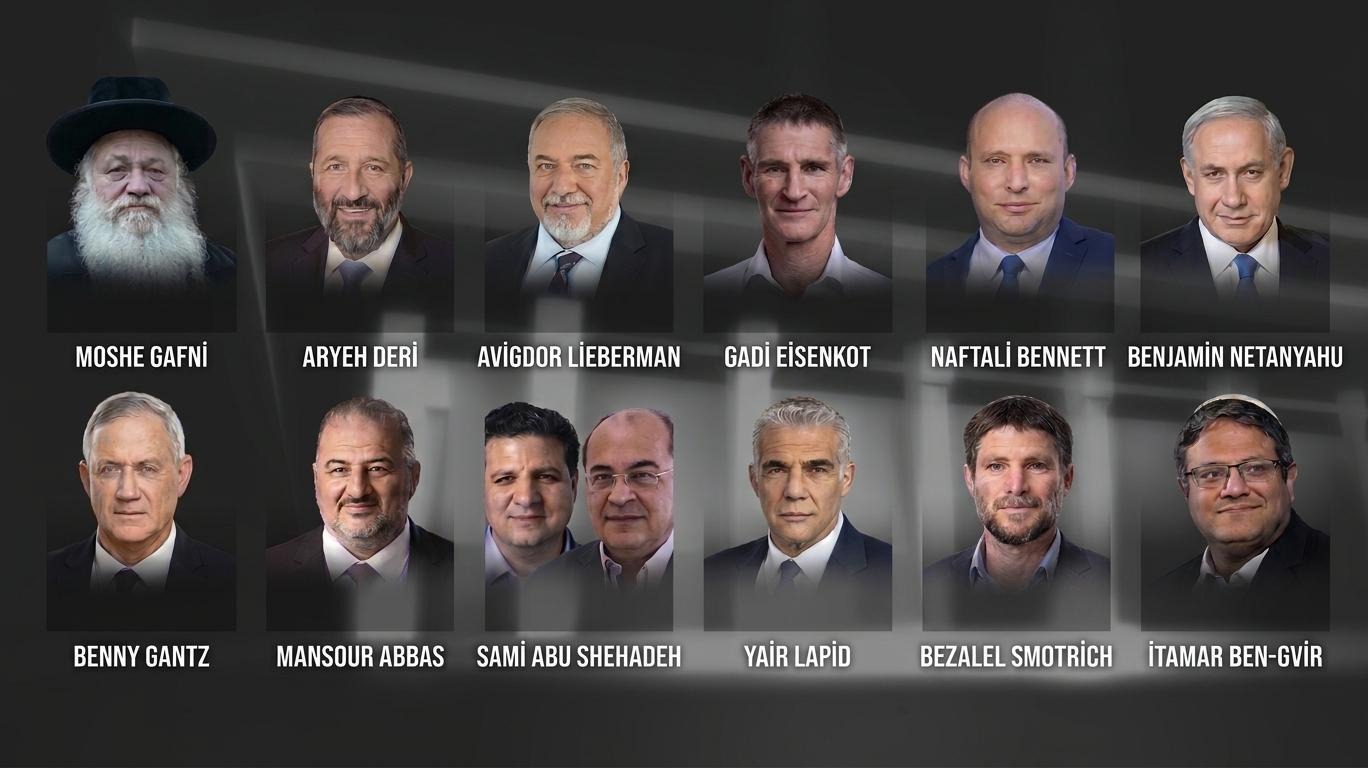
Israel’s parliamentary election has entered a new phase of uncertainty after no political bloc secured the majority needed to form a government, opening a debate over possible coalition scenarios and their potential impact on the future of Palestine.
With most votes counted, neither Prime Minister Benjamin Netanyahu’s right-wing bloc nor the opposition alliance led by former army chief Gadi Eisenkot appeared able to reach the 61-seat threshold required in the 120-member Knesset. Preliminary results showed Netanyahu’s bloc ahead with around 54 seats, while Eisenkot’s bloc remained behind with approximately 49 seats. Arab-led parties gained significant representation and emerged as a possible deciding factor in the coalition process.
The election, held under the shadow of the war in Gaza and regional tensions involving Lebanon and Iran, became one of the most closely watched political contests in recent years. Voter turnout reached 77.7 per cent, the highest level in decades, with increased participation among Arab citizens also drawing attention.
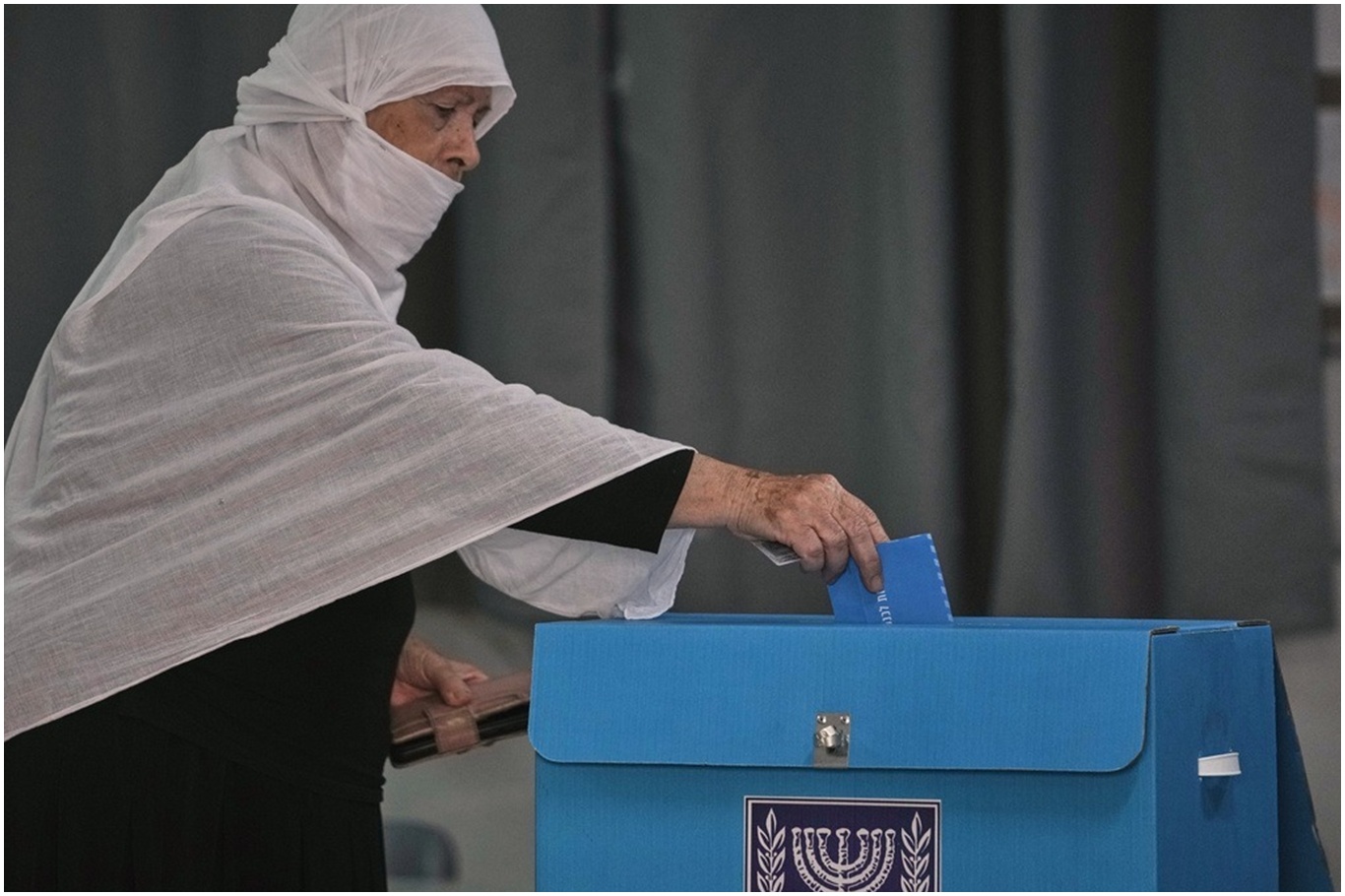
The coming period is expected to be dominated by coalition negotiations. If rival blocs fail to reach an agreement, the political system could face prolonged deadlock or another election. Under the process, President Isaac Herzog is expected to consult party leaders and assign the task of forming a government to the candidate considered most likely to succeed.
However, beyond the political struggle between Netanyahu and Eisenkot, a broader question remains: What would these election results mean for Palestinians?
A change of leadership or a continuation of policy?
For many Palestinians, Netanyahu’s possible defeat is unlikely to be viewed as a complete political transformation. Although Netanyahu has become the most visible face of Israel’s policies in Gaza and the occupied territories, Palestinian observers argue that the wider political system and its approach toward Palestinian rights extend beyond a single leader.
Netanyahu is associated by Palestinians with years of military operations, blockade policies, settlement expansion and the rise of far-right figures within his coalition. A defeat for him and his allies could bring a temporary sense of relief among Palestinians who have faced intensified pressure, especially since the start of the Gaza war.
However, the arrival of a different leadership would not necessarily mean a fundamental shift in policies toward Palestinians.
Eisenkot, Netanyahu’s main challenger, has criticised the government’s management of the war and called for a different strategy, but his political background and stated positions remain rooted in Israel’s security framework. He has supported the stated objective of removing Hamas from Gaza and has opposed the establishment of a Palestinian state.
From a Palestinian perspective, the difference between Netanyahu and his opponents may therefore be viewed less as a change in the overall direction of policy and more as a difference in approach, leadership style and international image.
From aggressive escalation to controlled status quo?
One possible scenario is that Netanyahu loses power and an opposition-led government is formed.
Such a development could reduce the influence of some far-right figures who have supported harsher policies toward Palestinians. It could also change the tone of Israel’s political discourse and reduce some of the most extreme rhetoric.
However, Palestinians remain cautious about expecting major changes.
For many Palestinians, replacing Netanyahu with a centrist or former military figure would not automatically mean an end to occupation, settlement expansion, restrictions on movement or opposition to Palestinian sovereignty.
The concern is that Israel could move from a period of intensified confrontation to a more controlled version of the same political approach.
The broader political consensus
The election has highlighted divisions inside Israel over leadership and the management of the war, but many of the major political camps continue to place security policies at the centre of their platforms.
For Palestinians, the central issue is not only who leads Israel, but whether Israeli policies toward Gaza, the West Bank and Palestinian rights will change.
A new government would still face the same unresolved questions: the future of Gaza, reconstruction, displaced Palestinians, settlement expansion and the possibility of any political solution.
The outcome of the election therefore does not provide immediate answers for Palestinians seeking an end to occupation and a resolution based on their national rights.
If Netanyahu remains in power
Another possibility is that Netanyahu succeeds in forming a government and continues his political dominance.
For Palestinians, such a result would be interpreted as a continuation of the policies pursued during the Gaza war, including military operations, restrictions and settlement expansion.
A Netanyahu victory would also strengthen far-right forces within Israeli politics and could encourage further moves regarding settlements and the occupied West Bank.
For Palestinians living in Gaza, the continuation of Netanyahu’s rule would raise concerns over the future of reconstruction, humanitarian conditions and the possibility of renewed military escalation.
For Palestinians in the occupied West Bank and inside Israel, it would also raise questions over the future of discriminatory policies, restrictions and increasing pressure on Palestinian communities.
Beyond Netanyahu and elections
Ultimately, many Palestinians view the Israeli election not only through the lens of individual leaders but through the wider political structure that has shaped their lives for decades.
A Netanyahu defeat would not automatically represent liberation, while a Netanyahu victory would reinforce fears of continued confrontation.
The central question for Palestinians remains whether political changes in Israel will bring a genuine shift in policies affecting their rights, freedom and future — or whether a new leadership will continue largely the same approach under a different name.
As coalition negotiations continue, the future of Palestine remains tied not only to who forms the next Israeli government, but also to whether the region moves toward a different political reality or continues along the same path of conflict.(ILKHA)
LEGAL WARNING: All rights of the published news, photos and videos are reserved by İlke Haber Ajansı Basın Yayın San. Trade A.Ş. Under no circumstances can all or part of the news, photos and videos be used without a written contract or subscription.

Türkiye’s hosting of the 31st Conference of the Parties to the UN Framework Convention on Climate Change (COP31), scheduled to take place in Antalya from November 9 to 20, 2026, has sparked debate over the economic, environmental and diplomatic implications of international climate policies.
Bosnia-Herzegovina’s first president remains an enduring inspiration for Muslims worldwide through his steadfast faith, intellectual legacy and struggle for his people’s freedom and dignity.
US President Donald Trump has drawn criticism after making remarks about the name “Muhammad” at an election rally in Georgia, prompting renewed concerns over the stereotyping of Muslims and the growing normalisation of anti-Islamic rhetoric in American political discourse.