Ragheb Harb commemorated on 38th anniversary of his martyrdom
 13 oC
13 oC 
Güneşli

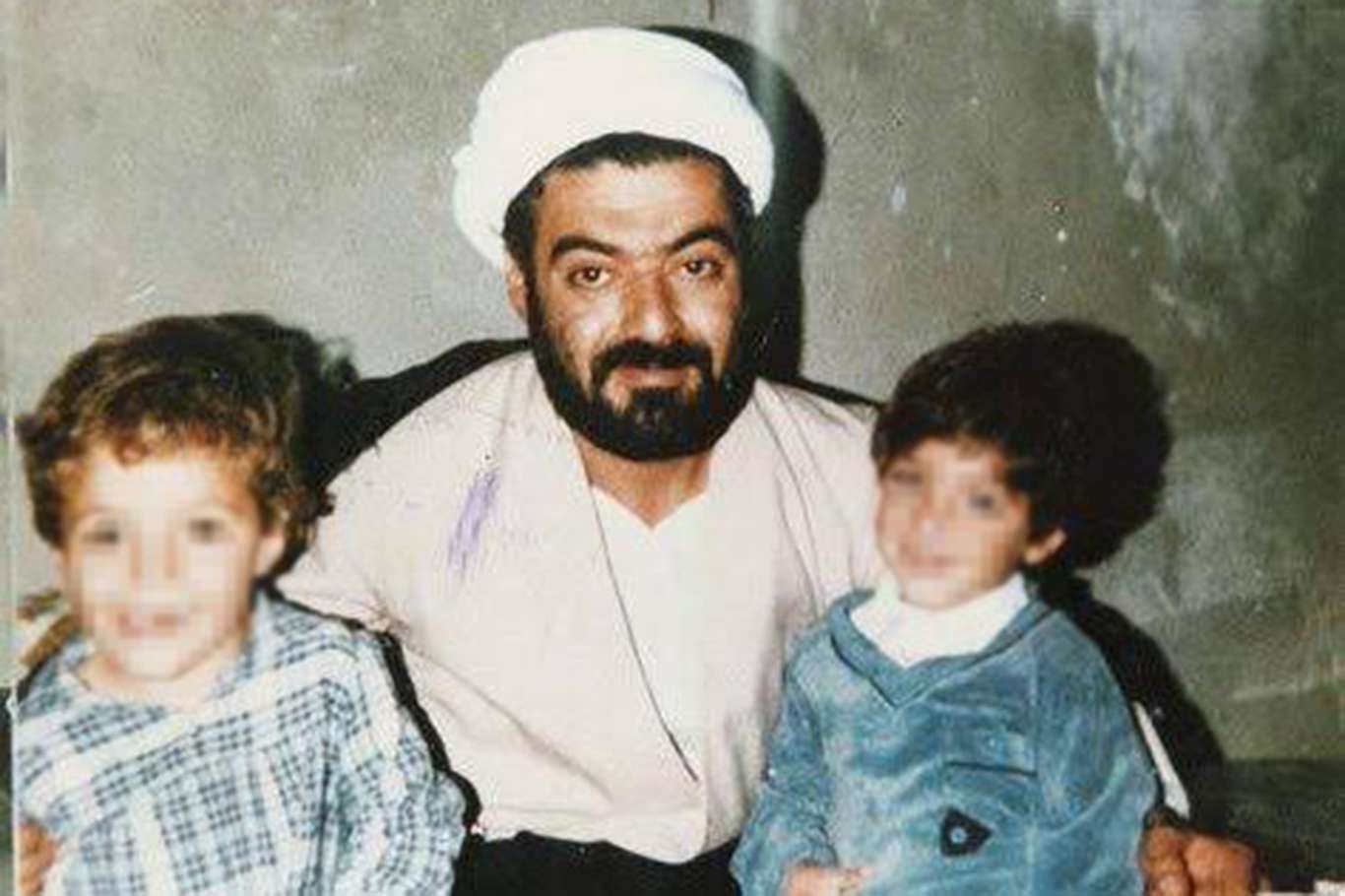
Sheikh Ragheb Harb, a Lebanese resistance leader and Muslim scholar, was assassinated by a zionist agent on February 16, 1984.
Ragheb Harb was born in Jibchit in 1952, a village in the Jabal Amel region of Southern Lebanon. Harb was an imam and led the regional Muslim resistance against zionist occupation until being assassinated by zionist regim on 16 February 1984.
Danny Abdallah, a Lebanese criminal living in Denmark, admitted to having killed Harb on behalf of the zionist gangs and also claimed to have participated in the kidnapping of Harb's successor, Abdul Karim Obeyd. As a result, Hezbollah put him on their death list, and he is wanted in Lebanon. According to one source, Harb's supporters would go on to form the Lebanese paramilitary and political organization Hezbollah. He belonged to the "Amal Movement" in Lebanon. (ILKHA)
LEGAL WARNING: All rights of the published news, photos and videos are reserved by İlke Haber Ajansı Basın Yayın San. Trade A.Ş. Under no circumstances can all or part of the news, photos and videos be used without a written contract or subscription.
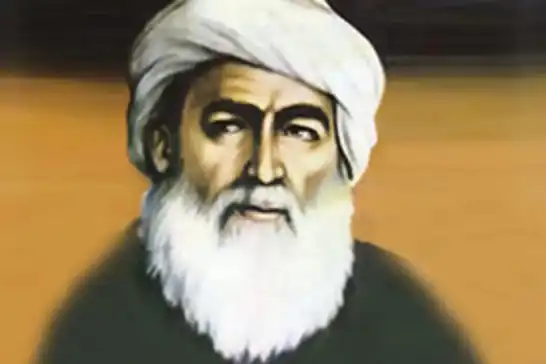
Today marks the 101st anniversary of the martyrdom of Sheikh Said and his companions, who led an uprising aimed at defending Islam, protecting religious institutions, and resisting policies that threatened the Islamic character of Anatolia.
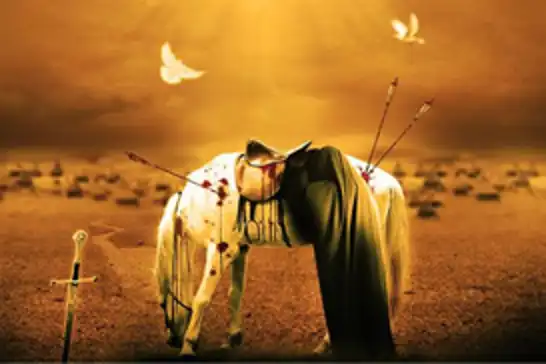
Muslims across the world are preparing to observe the Day of Ashura, one of the most significant occasions in the Islamic calendar, which falls on the 10th day of Muharram, the first month of the Islamic lunar year.
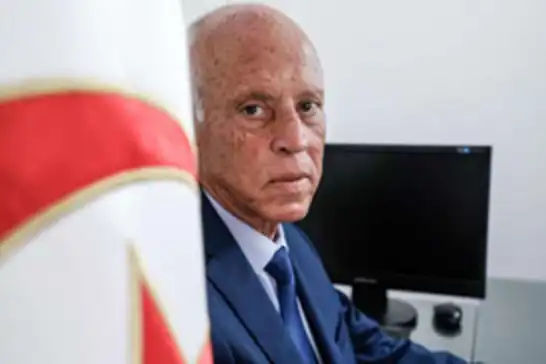
Rising public discontent and large-scale street protests in recent weeks signal that opposition to President Kais Saied’s rule may be reaching a critical new phase.

Today marks 78 years since the Palestinian people were plunged into the Nakba (the Catastrophe)—a systemic, ongoing campaign of forced migration, brutal occupation, and massacres that tore Al-Quds and the wider homeland from its rightful owners.