Afghanistan-Iran rail trade surges ninefold as Pakistan route falters
 13 oC
13 oC 
Güneşli

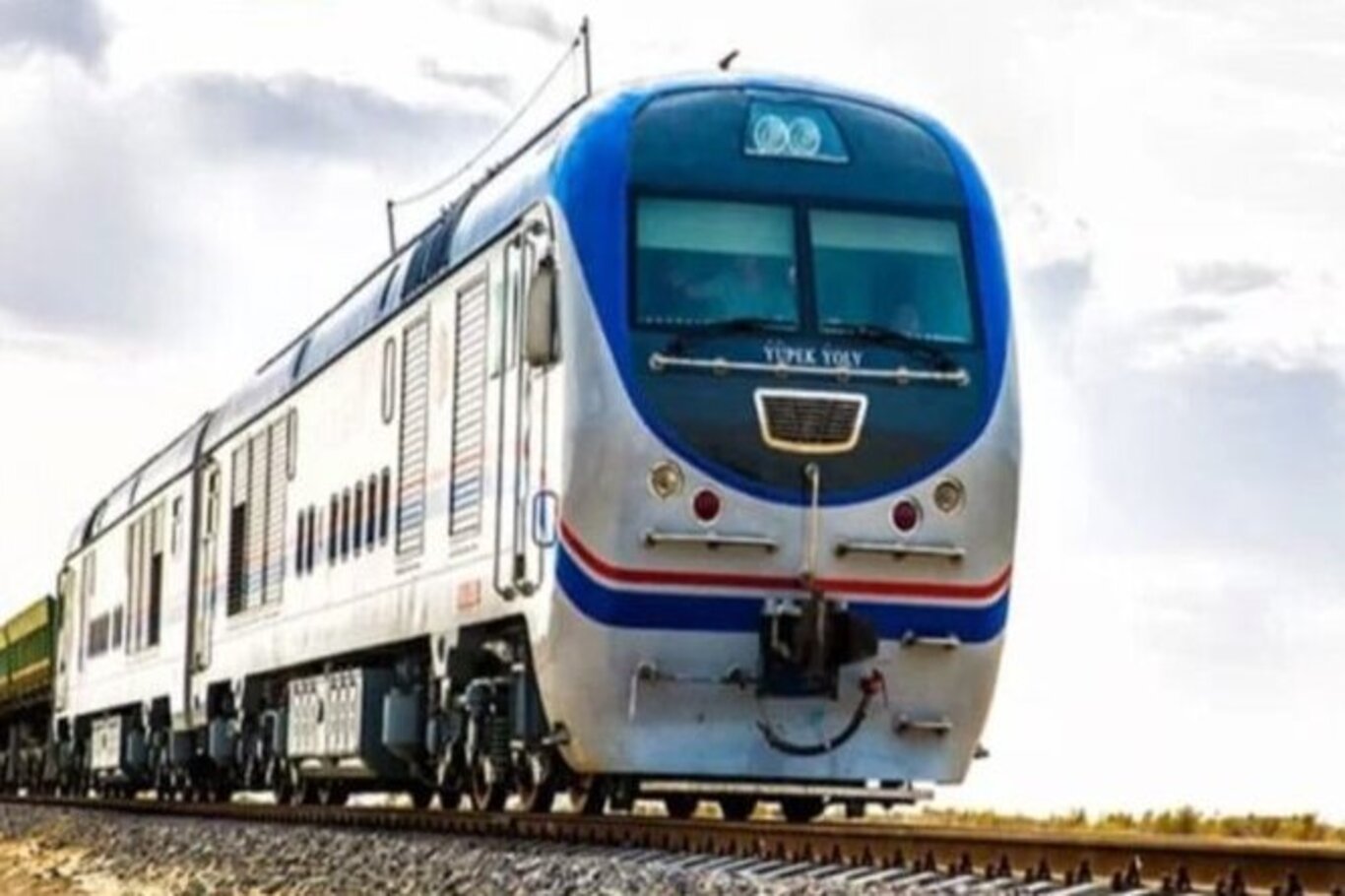
Rail freight shipments between Afghanistan and Iran have surged to around 130,000 tons per month, marking a dramatic expansion in bilateral trade and underscoring Afghanistan’s growing reliance on Iranian transport and trade corridors.
According to data from Iran’s railway administration cited by the Iranian Embassy in Kabul, the current monthly volume represents a sharp increase from an annual rail cargo volume of less than 15,000 tons previously.
Iranian authorities said annual rail freight throughput between the two countries is now expected to reach approximately 1.5 million tons, highlighting the rapidly expanding role of railway connections in Afghanistan’s foreign trade.
The increase comes as Afghanistan has increasingly turned toward alternative trade routes following the suspension and disruption of commercial activity through Pakistan.
Facing difficulties along its traditional trade corridor, the Islamic Emirate has sought to diversify Afghanistan’s import and export routes, with Iran emerging as a key gateway for trade with regional and international markets.
The growing volume of rail cargo has further strengthened Iran’s position as Afghanistan’s largest trading partner, while expanding economic ties between the two neighboring countries.
Iranian transit infrastructure, particularly railway connections linking Afghanistan with Iranian ports and broader regional markets, has become increasingly important for Kabul’s efforts to maintain stable access to goods and reduce dependence on a single trade route.
The surge in freight traffic also reflects the broader shift in Afghanistan’s regional trade strategy, as the country seeks to deepen economic relations with neighboring states and develop alternative corridors for the movement of goods.
With annual rail cargo volumes projected to reach 1.5 million tons, Afghanistan-Iran railway cooperation is expected to remain a central component of the two countries’ expanding economic and commercial relationship. (ILKHA)
LEGAL WARNING: All rights of the published news, photos and videos are reserved by İlke Haber Ajansı Basın Yayın San. Trade A.Ş. Under no circumstances can all or part of the news, photos and videos be used without a written contract or subscription.
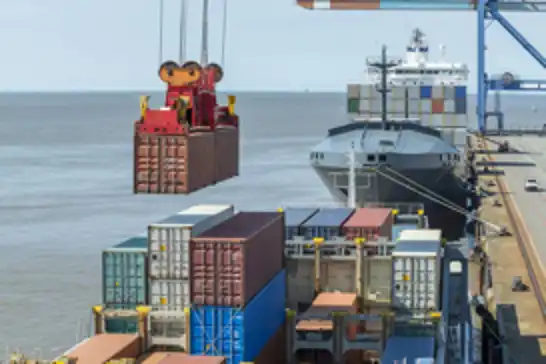
Türkiye’s terms of trade fell to 90.0 in August from 94.3 a year earlier as import prices rose faster than export prices, the Turkish Statistical Institute said on Tuesday.
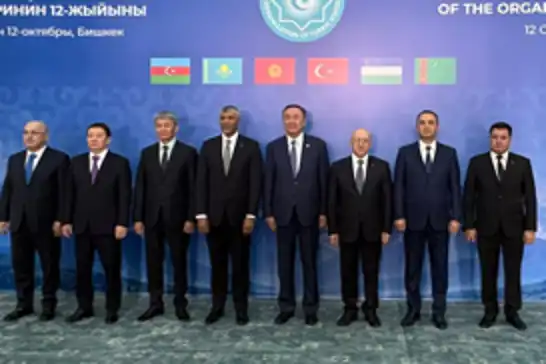
Türkiye and Azerbaijan are preparing to launch their first electronic TIR (e-TIR) pilot application before the end of 2026, targeting the Dilucu-Sederek border crossing as part of broader efforts to digitize international freight transport and strengthen trade links between Europe and Central Asia.

China continued to increase its gold reserves in September, extending its buying streak to 23 consecutive months despite a sharp decline in bullion prices, as the country’s central bank and investors increased their exposure to the precious metal.

Türkiye’s retail sales volume increased by 10.1% year-on-year in August 2026, while overall trade sales volume rose by 0.6%, the Turkish Statistical Institute (TurkStat) said in a statement on Monday.