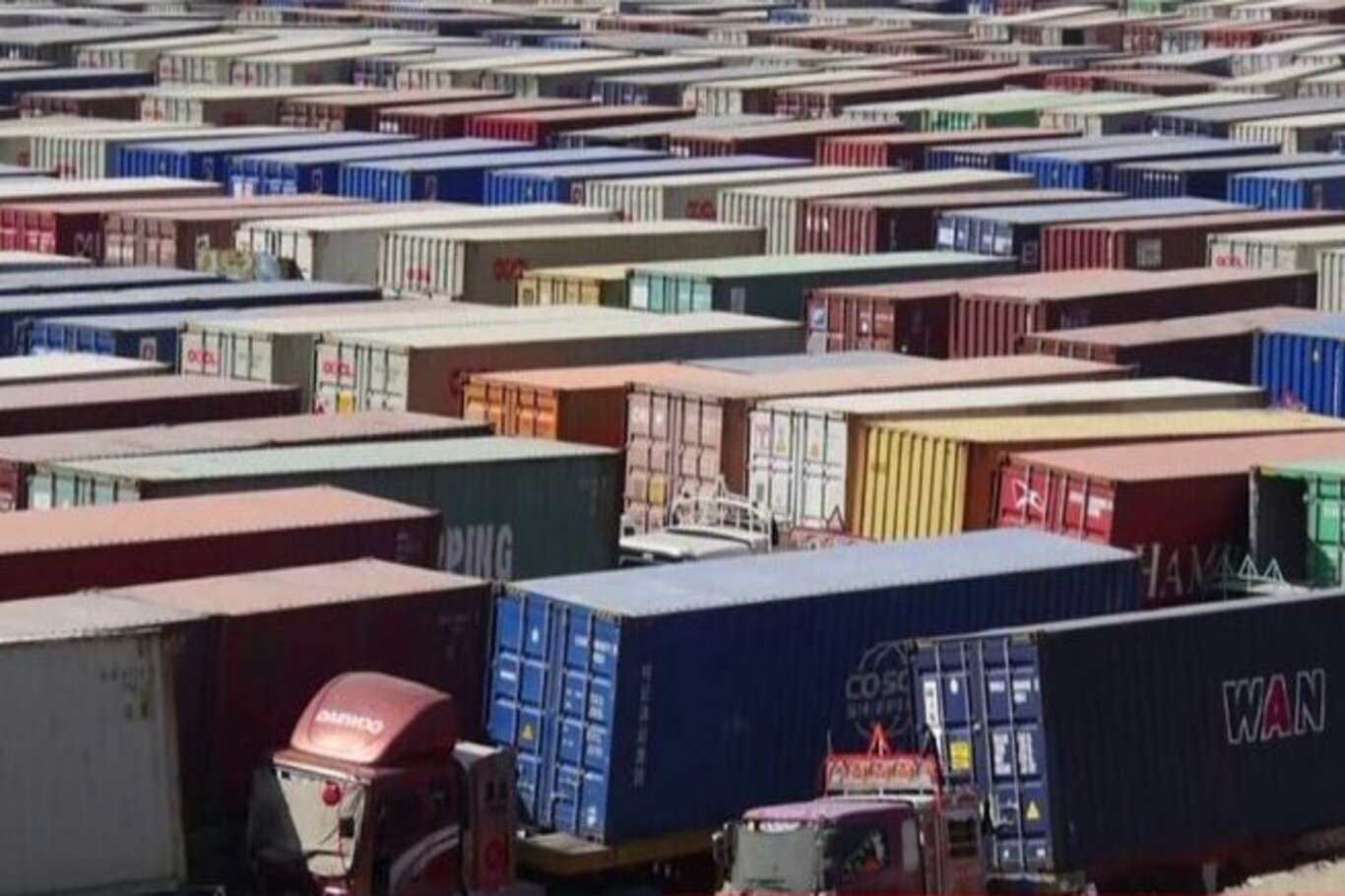
Afghanistan-Iran trade reaches $3.6 billion as Tehran becomes Kabul's largest trading partner
 13 oC
13 oC 
Güneşli

Bilateral trade between Afghanistan and Iran has reached $3.6 billion, making Tehran Afghanistan's largest trading partner as commerce between the two neighboring countries continues to expand amid shifting regional trade dynamics.
The increase in trade reflects growing economic cooperation between Kabul and Tehran, with Iranian markets becoming increasingly important for Afghan exports while Iran remains a major supplier of energy, food products, and industrial goods to Afghanistan.
According to available trade data, Afghanistan's principal exports to Iran include precious and semi-precious stones, dried fruits, fresh agricultural products, medicinal herbs, carpets, and other traditional commodities. These exports continue to play a significant role in supporting Afghanistan's agricultural and mining sectors.
In return, Afghanistan imports a wide range of essential goods from Iran, including crude oil and petroleum products, wheat, flour, food staples, construction materials, industrial equipment, machinery, and consumer goods, helping meet the country's growing domestic demand.
Analysts attribute the sharp growth in Afghanistan-Iran trade largely to disruptions affecting traditional transit routes through Pakistan.
Frequent border closures, logistical challenges, and interruptions to commercial traffic have encouraged Afghan traders to increasingly rely on Iranian ports and transportation corridors for both imports and exports.
As a result, Iran has emerged as Afghanistan's primary commercial partner, providing alternative access to regional and international markets.
The growth in bilateral trade reflects broader efforts by both countries to strengthen economic ties through improved border infrastructure, expanded customs cooperation, and enhanced transportation links.
Iran has continued to promote the use of its southeastern ports, particularly Chabahar Port, as a key transit hub for Afghan trade, offering the landlocked country greater access to international shipping routes and reducing dependence on other regional corridors.
Officials from both sides have also emphasized the importance of facilitating cross-border commerce, simplifying customs procedures, and encouraging private-sector investment to further increase trade volumes.
The expanding trade relationship underscores the growing economic interdependence between Afghanistan and Iran at a time when regional connectivity has become increasingly important for both countries.
With bilateral trade now valued at $3.6 billion, economic observers expect commercial cooperation to continue expanding, particularly in the areas of energy, agriculture, mining, transportation, and infrastructure, as Kabul and Tehran seek to deepen regional economic integration and strengthen cross-border trade. (ILKHA)
LEGAL WARNING: All rights of the published news, photos and videos are reserved by İlke Haber Ajansı Basın Yayın San. Trade A.Ş. Under no circumstances can all or part of the news, photos and videos be used without a written contract or subscription.
Global oil prices fell sharply on Monday after U.S. President Donald Trump announced that negotiations with Iran would resume and said planned military strikes against the Islamic Republic had been suspended, easing fears of a broader regional conflict that could disrupt global energy supplies.

Türkiye's annual consumer inflation eased to 31.75% in July, while consumer prices rose 1.78% on a monthly basis, Turkish Statistical Institute (TurkStat) announced in a statement on Monday.
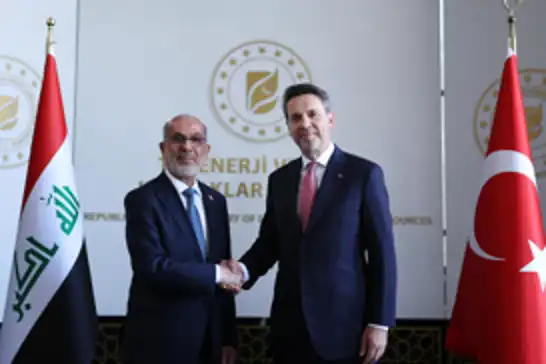
Türkiye and Iraq have signed a one-year agreement to maintain the operation of the Iraq–Türkiye crude oil pipeline, ensuring the continued flow of Iraqi oil exports while both countries work toward a broader long-term energy partnership.