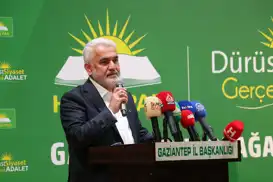
Oil prices fall U.S.-Iran diplomacy eases supply concerns
 13 oC
13 oC 
Güneşli

Global oil prices fell sharply on Monday after U.S. President Donald Trump announced that negotiations with Iran would resume and said planned military strikes against the Islamic Republic had been suspended, easing fears of a broader regional conflict that could disrupt global energy supplies.
International benchmark Brent crude dropped more than 5%, trading at around $83.40 per barrel in early trading, while U.S. benchmark West Texas Intermediate (WTI) fell approximately 6% to $79.60 per barrel.
The decline came after weeks of elevated prices driven by heightened geopolitical tensions between Washington and Tehran, which had raised concerns over the security of oil exports from the Middle East.
Speaking aboard Air Force One on Sunday, Trump said a new round of negotiations with Iran would begin on Monday, adding that planned U.S. military strikes had been put on hold following diplomatic efforts and appeals from key regional partners.
The announcement prompted investors to reassess the risk of a major disruption to crude supplies from the Gulf, resulting in a broad sell-off across energy markets.
Analysts said the renewed diplomatic initiative reduced the immediate likelihood of further military escalation, although markets remain highly sensitive to developments surrounding the U.S.-Iran talks.
Oil prices had surged by roughly 25% during July as hostilities between the United States and Iran intensified, fueling fears that shipping through the Strait of Hormuz—a vital artery for global energy trade—could face prolonged disruption.
The strategic waterway handles a significant share of the world's seaborne crude oil and liquefied natural gas exports, making any threat to navigation a major driver of global energy prices.
With negotiations now set to resume, concerns over prolonged restrictions on maritime traffic have eased, although shipping companies and energy traders continue to monitor the situation closely.
Adding further downward pressure to prices, major OPEC+ producers reaffirmed plans to continue the gradual restoration of oil production that had been voluntarily curtailed in 2023.
The producer alliance said it would retain the flexibility to adjust output in response to market conditions while closely monitoring geopolitical developments and the progress of U.S.-Iran negotiations.
Market participants said expectations of higher supplies, combined with reduced geopolitical risk, contributed to Monday's decline in crude prices.
Despite the sharp fall, analysts warned that volatility is likely to persist as investors await concrete progress in the diplomatic talks between Washington and Tehran.
Any setback in negotiations or renewed military confrontation could quickly reverse the latest price decline, given the Middle East's central role in global oil production and exports.
Investors are also watching upcoming economic data from major consuming nations, as well as future decisions by OPEC+, for further indications of the direction of global energy demand and supply in the months ahead. (ILKHA)
LEGAL WARNING: All rights of the published news, photos and videos are reserved by İlke Haber Ajansı Basın Yayın San. Trade A.Ş. Under no circumstances can all or part of the news, photos and videos be used without a written contract or subscription.

Türkiye's annual consumer inflation eased to 31.75% in July, while consumer prices rose 1.78% on a monthly basis, Turkish Statistical Institute (TurkStat) announced in a statement on Monday.
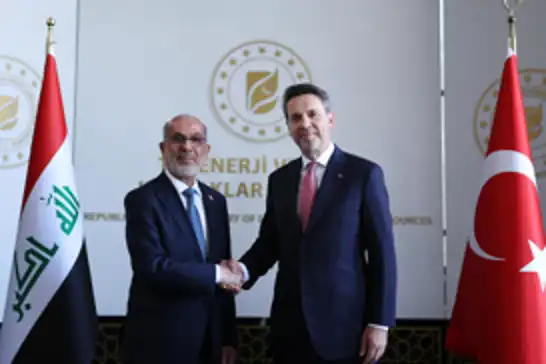
Türkiye and Iraq have signed a one-year agreement to maintain the operation of the Iraq–Türkiye crude oil pipeline, ensuring the continued flow of Iraqi oil exports while both countries work toward a broader long-term energy partnership.
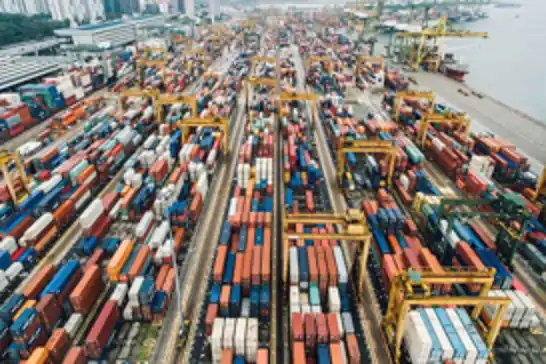
Türkiye's exports increased by 21.7% year-on-year in June 2026, reaching $24.9 billion, while imports climbed 23.0% to $35.3 billion, resulting in a wider foreign trade deficit, the Turkish Statistical Institute (TurkStat) and the Ministry of Trade said in a statement on Friday.