Türkiye, Iraq sign one-year deal to keep crude oil pipeline operational
 13 oC
13 oC 
Güneşli

Türkiye and Iraq have signed a one-year agreement to maintain the operation of the Iraq–Türkiye crude oil pipeline, ensuring the continued flow of Iraqi oil exports while both countries work toward a broader long-term energy partnership.
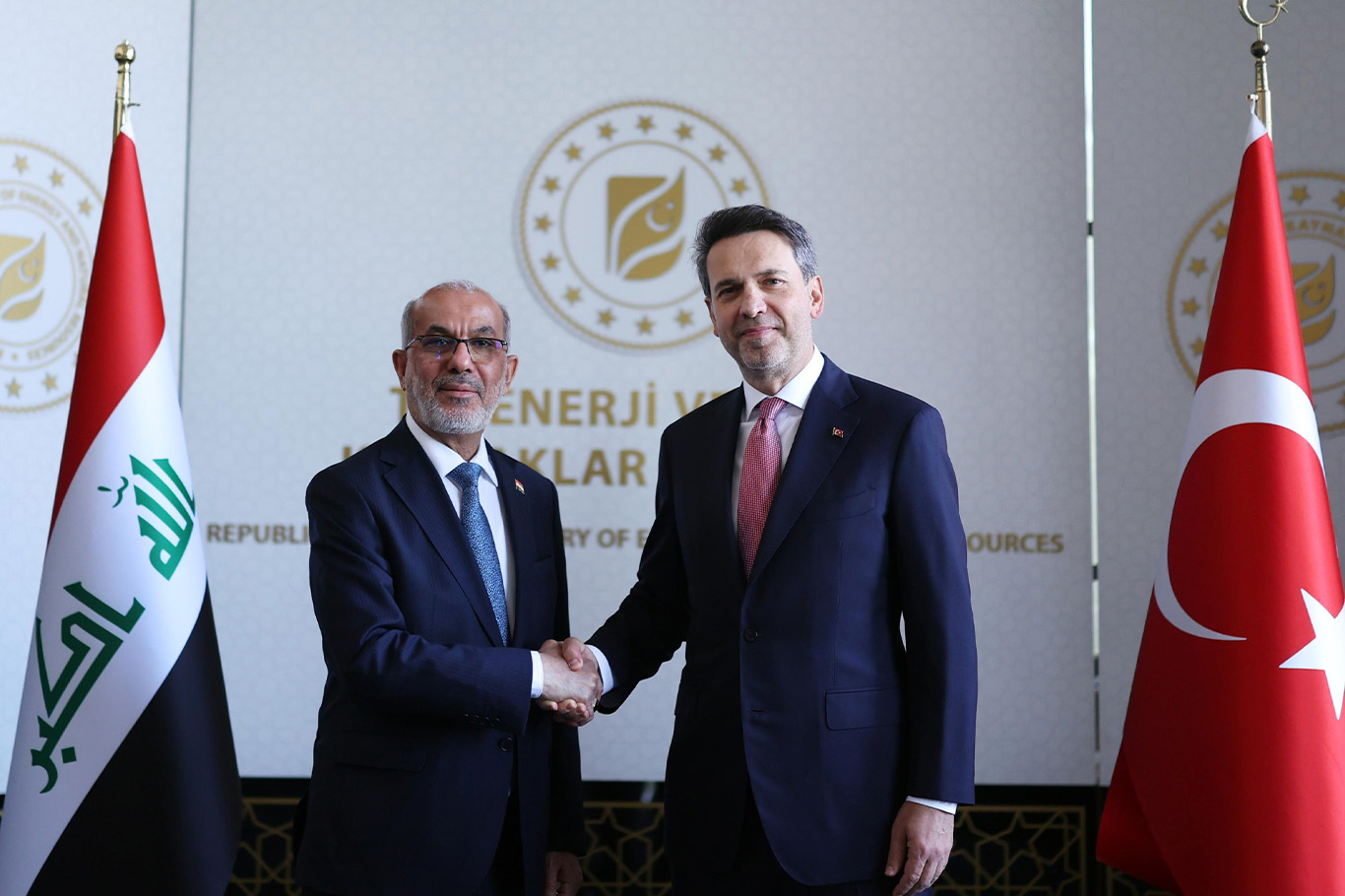
Turkish Minister of Energy and Natural Resources Alparslan Bayraktar announced on Saturday that the agreement extends the long-standing bilateral arrangement governing the operation of the pipeline, which expired earlier this week.
The deal was signed in Ankara following what Bayraktar described as a "productive" meeting with Iraqi Oil Minister Hayan Abdul Ghani and his delegation.
Under the agreement, Türkiye's state pipeline operator BOTAS signed the transit arrangement with Iraq's State Organization for Marketing of Oil (SOMO) and the North Oil Company (NOC), securing the continued operation of Baghdad's only functioning crude oil export pipeline through Türkiye.
"While our efforts continue toward a new long-term agreement for this pipeline, we have implemented this transit arrangement covering a daily capacity of 750,000 barrels," Bayraktar said in a statement shared on social media.
The one-year extension is intended to provide both sides with sufficient time to negotiate a comprehensive framework governing future energy cooperation and pipeline operations.
The Iraq–Türkiye Pipeline (ITP), which terminates at Türkiye's Mediterranean export terminal in Ceyhan, has a total design capacity of approximately 1.5 million barrels per day, making it one of the region's most significant energy corridors.
According to Turkish officials, however, the pipeline is currently transporting around 170,000 barrels of crude oil per day, well below its maximum capacity.
Türkiye has expressed interest in significantly increasing throughput on the pipeline and has also proposed extending the network to connect with additional oil fields in southern Iraq, a move that could strengthen regional energy security and boost export volumes.
The agreement reflects the growing energy cooperation between Ankara and Baghdad, with both governments seeking to expand trade, investment, and infrastructure links as part of broader efforts to deepen bilateral economic relations.
Energy cooperation has become an increasingly important pillar of Türkiye-Iraq relations in recent years, alongside collaboration on trade, transportation, border security, and the Development Road Project, which aims to connect the Gulf to Europe through Iraq and Türkiye.
Officials from both countries are expected to continue negotiations in the coming months on a long-term pipeline agreement that would provide greater legal certainty for investors and facilitate higher crude oil export volumes through the Ceyhan terminal. (ILKHA)
LEGAL WARNING: All rights of the published news, photos and videos are reserved by İlke Haber Ajansı Basın Yayın San. Trade A.Ş. Under no circumstances can all or part of the news, photos and videos be used without a written contract or subscription.

Türkiye's exports increased by 21.7% year-on-year in June 2026, reaching $24.9 billion, while imports climbed 23.0% to $35.3 billion, resulting in a wider foreign trade deficit, the Turkish Statistical Institute (TurkStat) and the Ministry of Trade said in a statement on Friday.
Türkiye’s total installed electricity capacity reached 126,113 megawatts (MW) as of the end of June 2026, with renewable energy sources accounting for 62.7% of the total, the Ministry of Energy and Natural Resources announced on Thursday.

Türkiye's seasonally adjusted unemployment rate declined to 7.6% in June 2026, marking a 0.5 percentage-point decrease from the previous month, while employment and labor force participation continued to improve, the Turkish Statistical Institute (TurkStat) said in a statement on Thursday.