Patani Muslims continue struggle to preserve Islamic identity amid decades of Thai assimilation policies
 13 oC

Güneşli

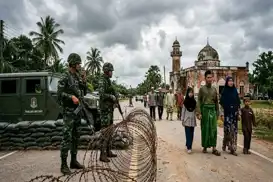
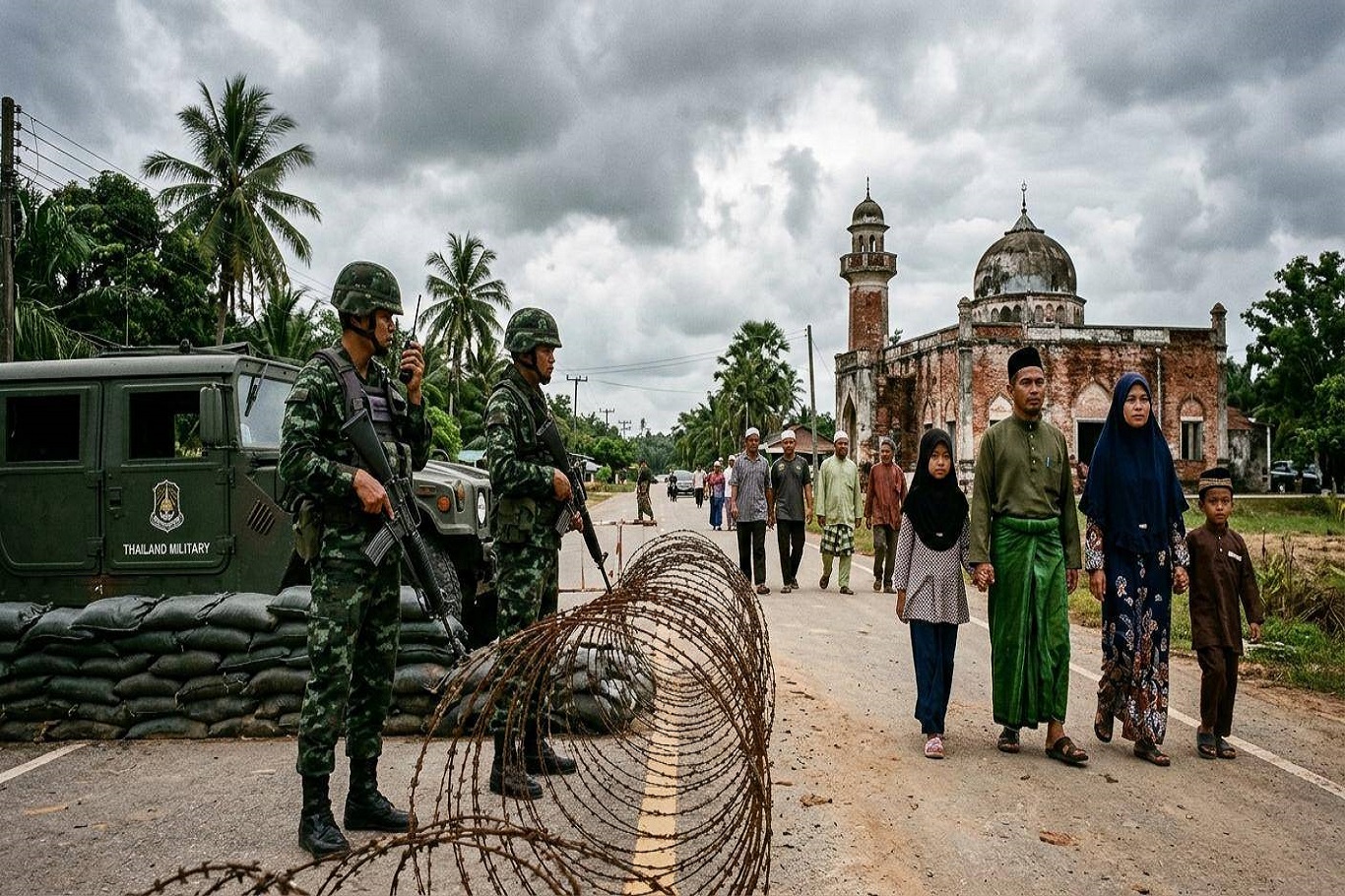
The Muslim population of Thailand’s southernmost provinces continues to face deep-rooted challenges in preserving its Islamic faith, Malay identity, mother tongue and historical heritage, as decades of state assimilation policies, military repression and restrictions on local autonomy weigh heavily on the region.
The Patani Malay Muslims, whose ancestors established one of Southeast Asia’s most influential Islamic sultanates, are seeking the right to preserve their religious and cultural identity and determine their own future in their historical homeland.
Located mainly in Pattani, Yala, Narathiwat and parts of Songkhla, the approximately three million Patani Malays represent an indigenous Muslim population with a distinct language, history and religious tradition. Their struggle reflects broader concerns over the rights of Muslim communities living under political systems that seek to impose a dominant national identity at the expense of local religious and cultural heritage.
Once celebrated as a major center of Islamic scholarship and trade, Patani has experienced centuries of political upheaval, foreign domination and cultural pressure. Today, its people continue to demand justice, recognition and meaningful self-governance.
Patani: A historic center of Islamic civilization
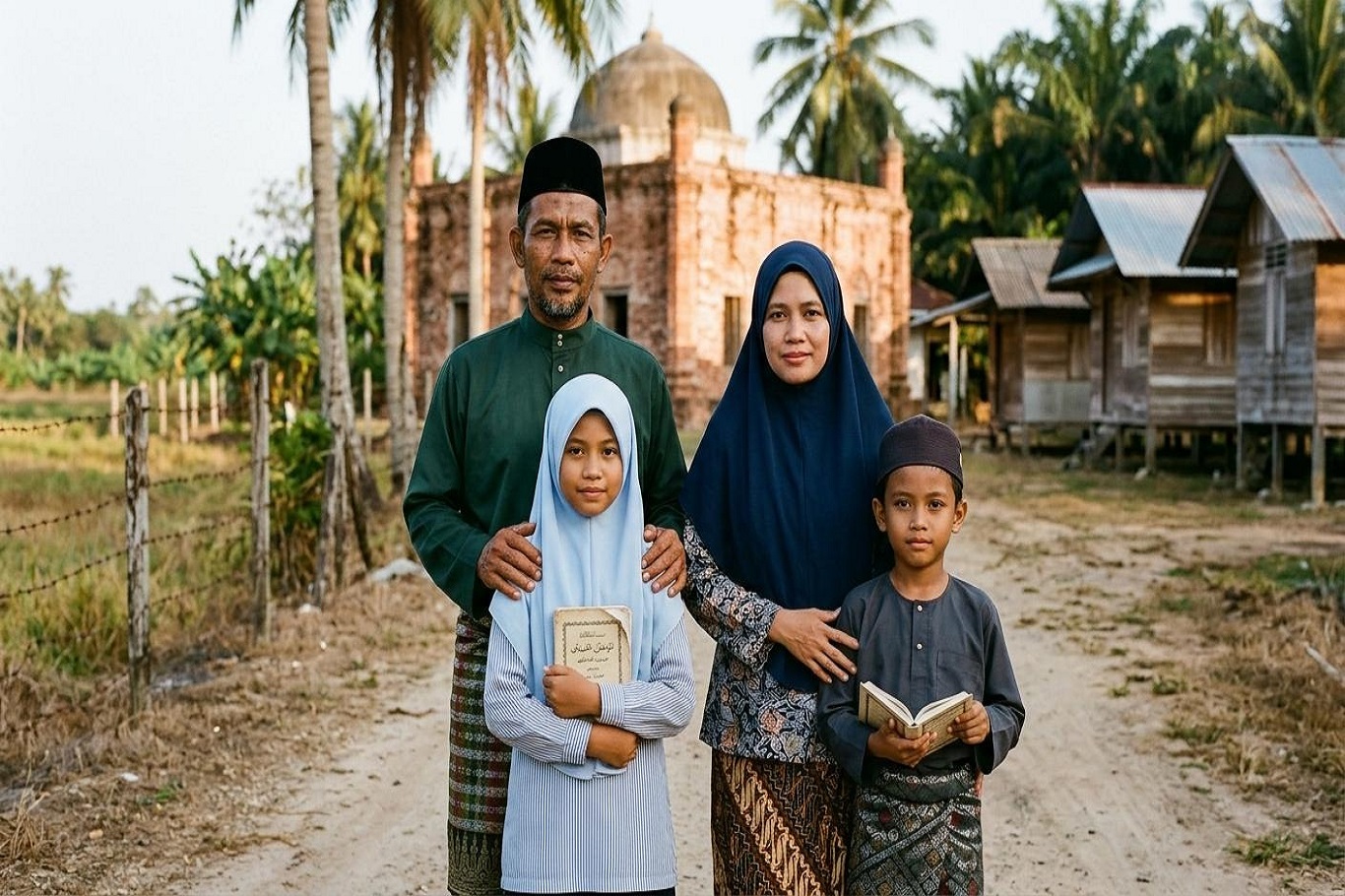
Islam reached the Patani region between the 12th and 13th centuries through Muslim merchants travelling along Indian Ocean maritime trade routes. By the late 15th and early 16th centuries, the region had emerged as an Islamic sultanate, becoming an important political, commercial and religious center in Southeast Asia.
For nearly three centuries, the Patani Sultanate maintained its independence and developed extensive trade networks linking the Indian Ocean with the South China Sea. Its prosperity also helped establish a remarkable tradition of Islamic learning.
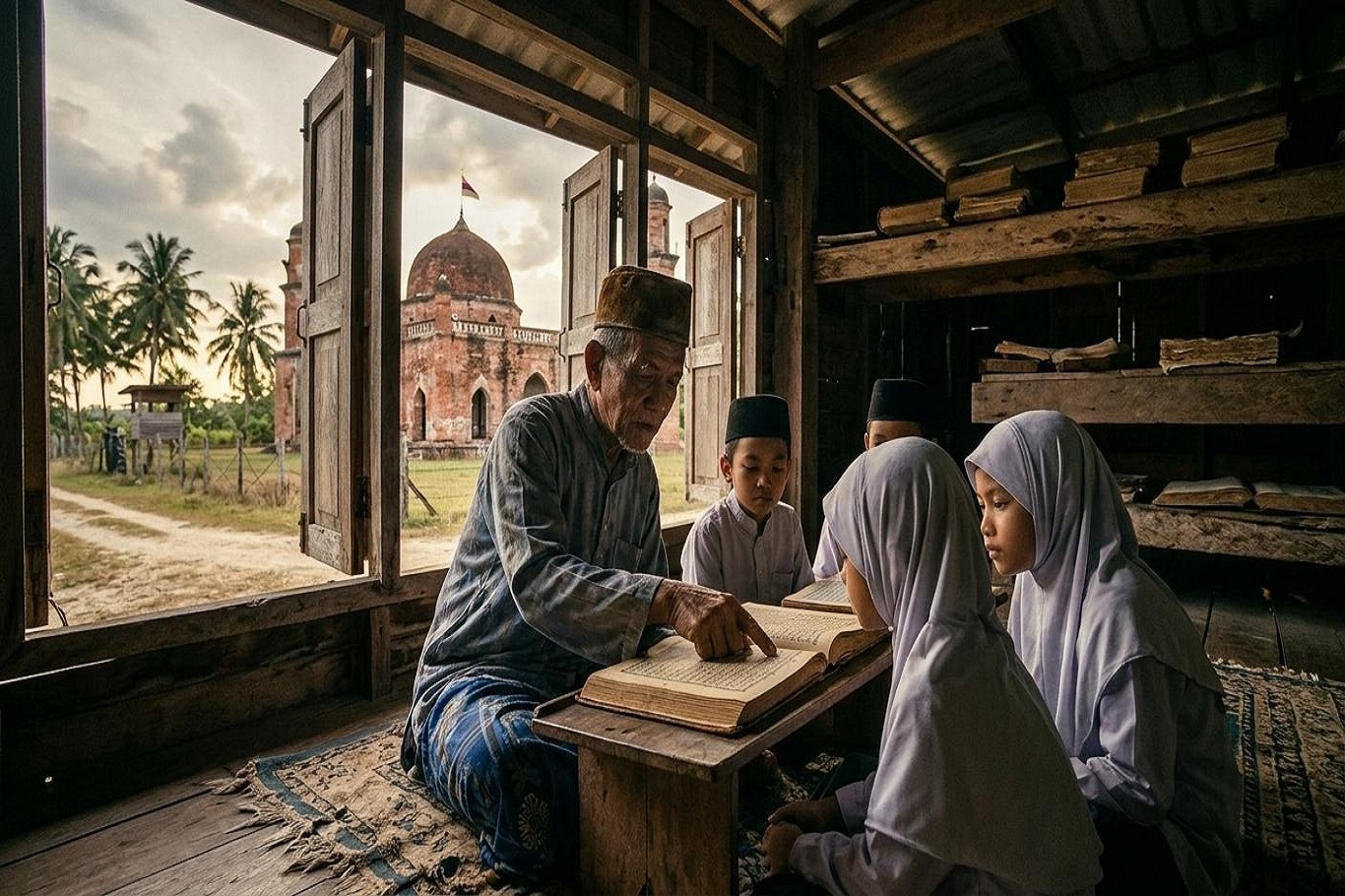
Traditional religious schools known as Pondok attracted students from across the Malay world, while Patani scholars produced influential works on Islamic jurisprudence, theology and literature in Arabic and Jawi.
Among the most prominent scholars was Sheikh Dawud al-Fatani, whose writings contributed significantly to the intellectual and religious heritage of Southeast Asian Muslims.
Patani became known throughout the Islamic world as Serambi Mekah, or the Veranda of Mecca, reflecting its importance as a gateway to Islamic knowledge and religious education.
Historic mosques, including Krue Se Mosque and Telok Manoh Mosque, remain enduring symbols of this Islamic heritage.
Colonial-era borders and the loss of political independence
The historical trajectory of Patani changed dramatically following the expansion of the Kingdom of Siam, present-day Thailand.
Siamese military campaigns in 1785–1786 resulted in the occupation of Patani, the destruction of its capital and the deportation of thousands of Muslims to Bangkok. The region subsequently lost its political independence as Siam tightened its control over local administration.
The 1909 Anglo-Siamese Treaty further transformed the region's political geography. The agreement between Britain and Siam divided historical Malay territories, placing the southern Malay states under British influence while formally incorporating Patani into Siam.
The borders disregarded the region's historical, linguistic and religious ties, dividing communities and families that had shared a common identity for generations.
The agreement effectively turned the Patani Malays, who had historically constituted the majority in their homeland, into a minority within a Buddhist-majority nation-state.
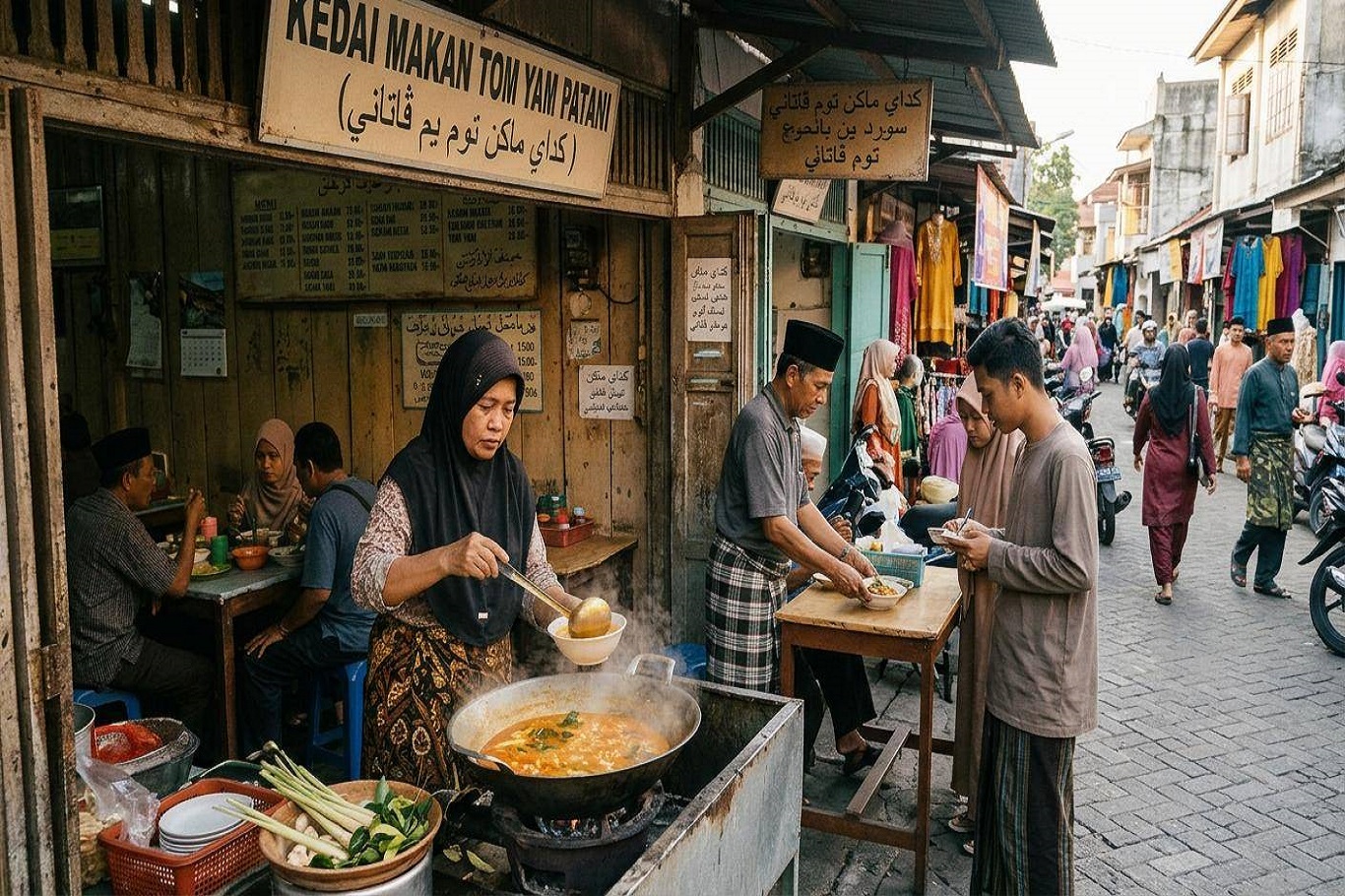
Despite the division, the historical bonds between Patani and Malaysia's northern states, particularly Kelantan, Terengganu and Kedah, have remained strong. Shared language, religious traditions, family ties and commercial networks continue to connect communities on both sides of the border.
Forced assimilation and the legacy of Haji Sulong
The Thai government's assimilation policies intensified during the 20th century, particularly under nationalist military administrations that promoted a centralized Thai identity.
Known as Thaification, these policies sought to weaken the distinct Malay and Islamic character of Patani. Restrictions on the Malay language, the erosion of Islamic legal institutions and pressure to adopt Thai cultural practices became major sources of resentment among local Muslims.
Islamic scholars and community leaders resisted these measures, insisting that the Patani people should be allowed to preserve their religious beliefs, language and traditions.
One of the most influential figures in this struggle was Haji Sulong Abdul Kadir, a respected Islamic scholar who emerged as a leading voice of peaceful resistance.
In 1947, he submitted a seven-point declaration to the Bangkok government demanding greater local autonomy, recognition of the Malay language, the application of Islamic law in family and inheritance matters, and the appointment of a local Muslim administrator.
He also called for tax revenues collected from the region to be reinvested in its development.
Rather than addressing these demands through dialogue, Thai authorities responded with repression. Haji Sulong and three companions were detained in 1954 and subsequently disappeared. Their fate remains unresolved.
His disappearance became a defining moment in the relationship between the Patani Muslim population and the Thai state, deepening distrust and contributing to the emergence of subsequent resistance movements.
Krue Se and Tak Bai: Mass violence and the absence of justice
The conflict entered another particularly violent phase in 2004, when Thai security forces carried out operations that resulted in the deaths of dozens of Muslims.
On April 28, 2004, Thai troops killed 32 young Muslims who had taken refuge inside the historic Krue Se Mosque. The killings at one of the region's most significant Islamic sites left a profound scar on the community.
Six months later, on October 25, another tragedy unfolded in Tak Bai district, Narathiwat province.
During protests against the detention of local Muslims, Thai security forces opened fire, killing seven demonstrators. More than 1,300 people were detained and transported in military trucks with their hands tied behind their backs.
During the journey, 78 detainees died from suffocation and overcrowding.
The Tak Bai killings became a powerful symbol of the struggle for justice in Patani. Despite widespread demands for accountability, those responsible were not brought to trial before the 20-year statute of limitations expired on October 25, 2024.
For many Patani Muslims, the failure to prosecute those responsible reinforced the perception that the lives and rights of their community are not afforded equal protection under the law.
Economic marginalization and pressure on Islamic education
Beyond security-related concerns, Patani Muslims face persistent socioeconomic challenges.
Despite the region's natural resources, rubber production and fishing industries, Pattani, Yala and Narathiwat remain among the least developed parts of Thailand.
Local communities have long complained that government development policies prioritize security infrastructure over education, employment and economic opportunities. High unemployment and limited investment have encouraged large numbers of Patani Muslims to seek livelihoods in Malaysia and elsewhere.
Education is another major concern.
Traditional Pondok madrasas, which have served as centers of Islamic learning for generations, face increased state supervision and pressure to align their curricula with national educational requirements.
The dominance of the Thai language in state schools and the limited recognition of Patani's history have raised fears that younger generations could gradually lose their mother tongue and become disconnected from their Islamic and cultural heritage.
For the Patani community, preserving Islamic education is not simply a matter of maintaining religious institutions. It is also central to protecting the historical memory, values and identity passed down through generations of Muslim scholars and families.
Political representation remains another major issue. The appointment of provincial governors by the central government, rather than their selection through meaningful local participation, has intensified calls for greater political autonomy.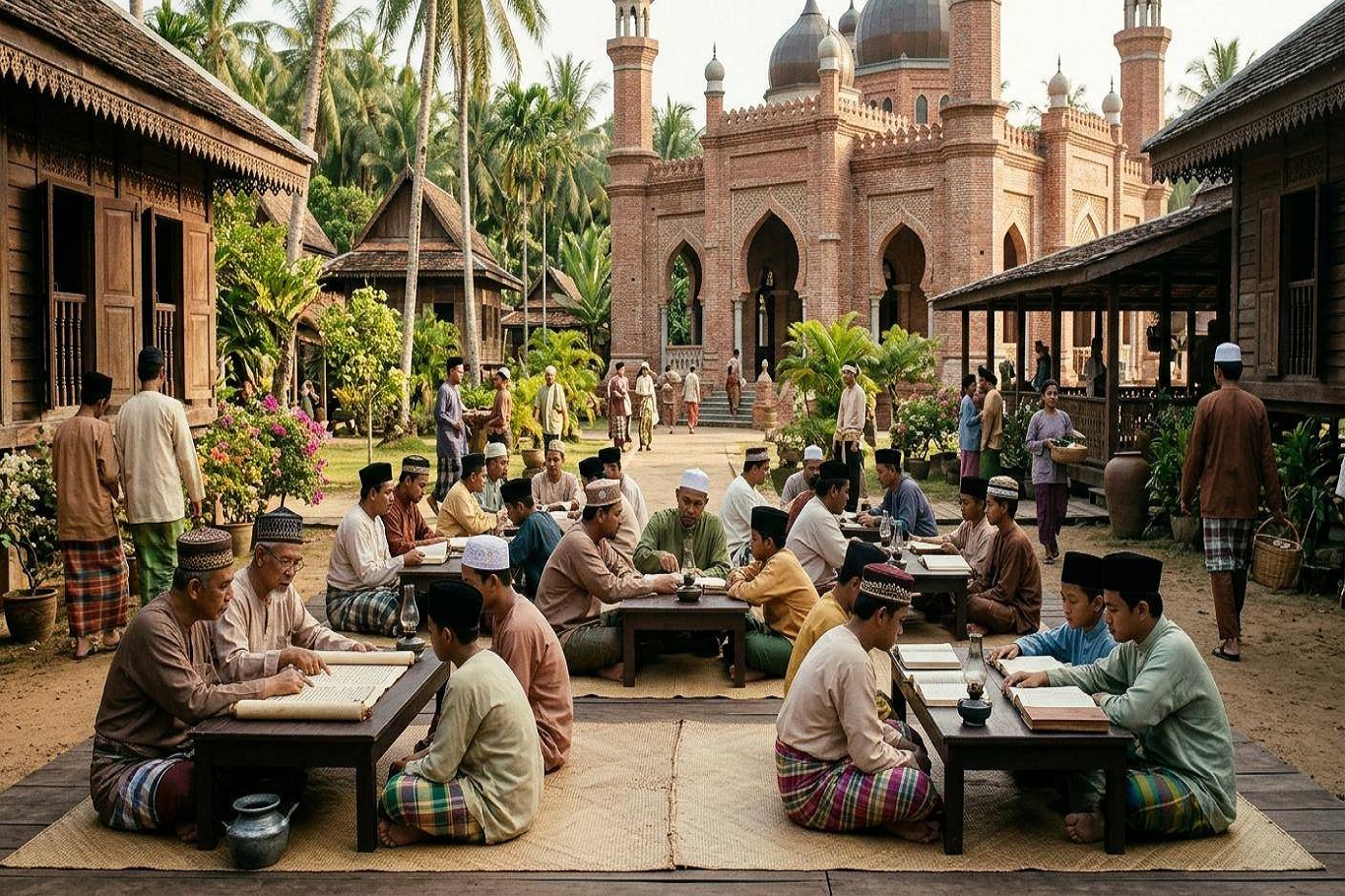 Malaysia's role in the search for a political solution
Malaysia occupies a significant position in the Patani issue because of its historical, cultural and religious ties with the region.
The shared Malay identity and family connections across the border have made Kuala Lumpur a natural interlocutor in efforts to resolve the conflict.
Malaysia has also served as a facilitator in peace negotiations between the Thai government and the Patani Malay National Revolutionary Front (BRN), one of the principal resistance movements in southern Thailand.
Peace talks initiated in 2013 have periodically raised hopes for a political settlement, although disagreements and recurring violence have prevented a lasting breakthrough.
The negotiations regained momentum toward the end of 2025 and into 2026, with BRN representatives indicating openness to a self-governance arrangement that would protect the language, religion and identity of the Patani people rather than necessarily pursue full independence.
Civil society groups have also called for mother-tongue education, reforms concerning the application of Islamic law and restrictions on the powers of security forces.
However, political instability in Bangkok, the military's influence over security policy and the fragile nature of the negotiations continue to complicate efforts to achieve peace.
The struggle to preserve an Islamic heritage
The Patani question is ultimately about more than territorial administration or political negotiations. At its heart lies the right of a Muslim community to preserve its faith, language, history and way of life.
For centuries, Patani served as a center of Islamic scholarship, producing scholars and religious works that influenced Muslim communities throughout Southeast Asia. Its Pondok institutions, mosques and scholarly networks helped sustain a rich Islamic intellectual tradition.
Today, that legacy faces pressure from assimilation policies, economic marginalization, restrictions on religious and cultural institutions, and unresolved demands for justice.
The experiences of Patani Muslims also highlight the importance of solidarity among Muslim communities and the need to defend religious freedom, cultural rights and the dignity of oppressed populations.
Their demands for recognition, justice and self-governance remain central to the search for a peaceful future in southern Thailand.
Preserving Patani's Islamic heritage is not merely a matter of looking back at the achievements of a former sultanate. It is about ensuring that future generations can freely practice their faith, learn their mother tongue, inherit their history and live with dignity in their homeland. (ILKHA)
LEGAL WARNING: All rights of the published news, photos and videos are reserved by İlke Haber Ajansı Basın Yayın San. Trade A.Ş. Under no circumstances can all or part of the news, photos and videos be used without a written contract or subscription.
For more than fourteen centuries, Muslims in China have been an important part of the country’s historical, scientific, commercial and cultural landscape. From the ancient trade routes of the Silk Road to imperial courts, from maritime expeditions to centres of Islamic scholarship, Muslim communities have left a lasting mark on Chinese civilisation.
The PKK's shift from Marxist-Leninist national liberation to feminism and LGBTQ+ activism raises questions about its departure from founding objectives and the growing disconnect between its ideological agenda and the religious, cultural and social values of conservative Kurdish society.
As the occupation regime continues to violate the ceasefire and intensify its attacks on the Gaza Strip, Palestinians remain trapped in an ever-deepening humanitarian catastrophe marked by bombardment, hunger, displacement and collapsing living conditions.
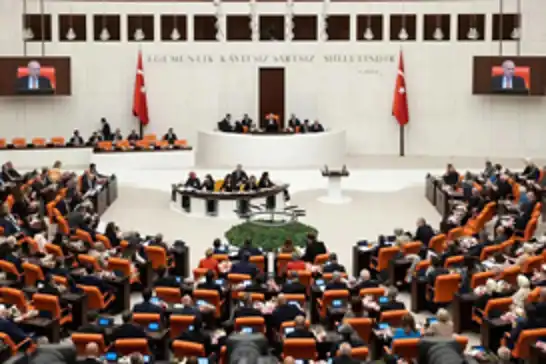
Renewed calls for a comprehensive political ethics law have brought transparency, accountability and merit-based governance back to the centre of Türkiye’s political debate, following recent remarks by MHP leader Devlet Bahçeli.