EU, Türkiye seek to strengthen trade ties as bilateral trade hits €217.6 billion
 13 oC
13 oC 
Güneşli

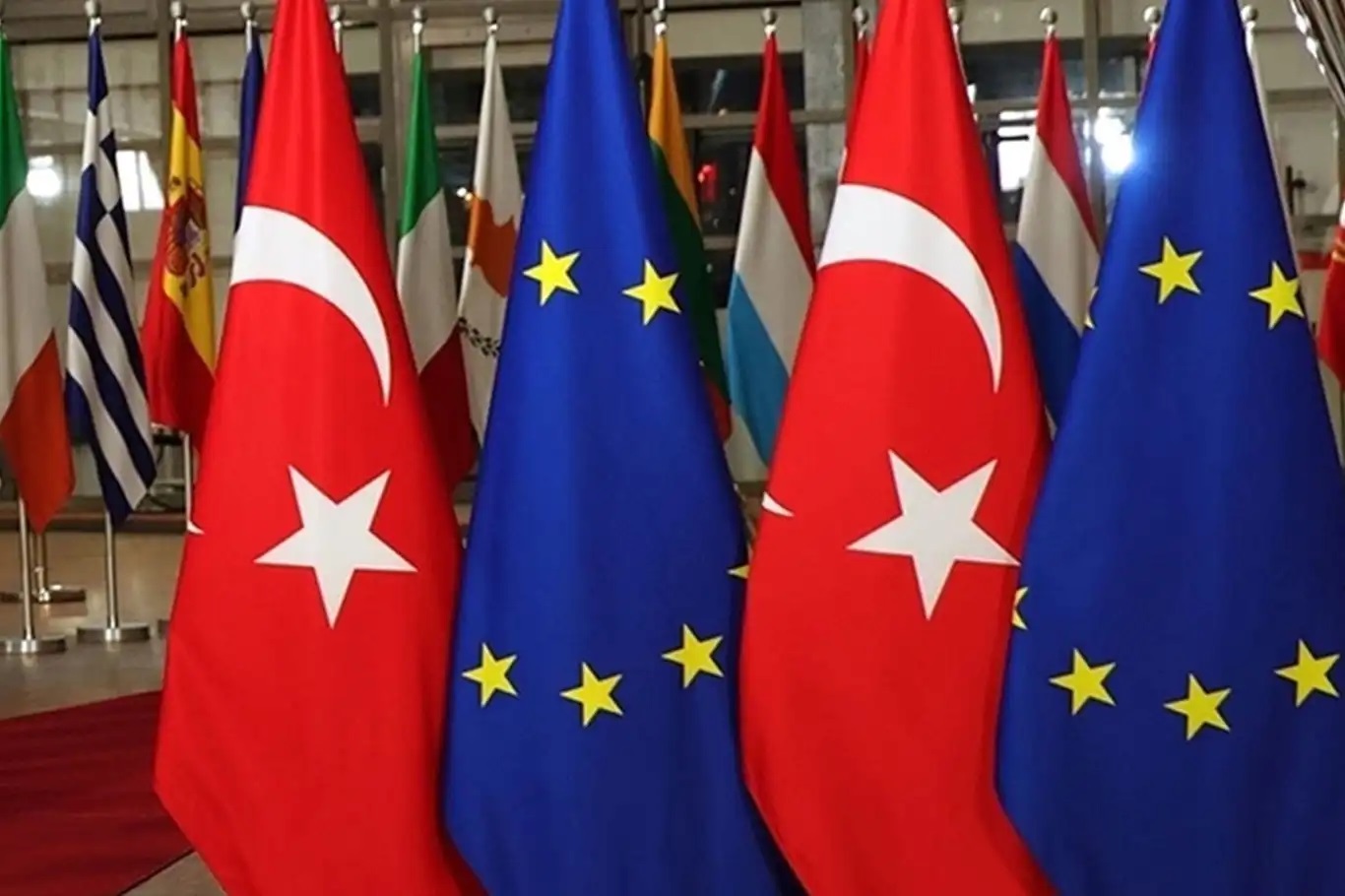
The European Union and Türkiye have agreed to pursue closer trade cooperation and address outstanding market-access barriers after their third High-Level Dialogue on Trade in Brussels, as bilateral goods trade reached a record €217.6 billion in 2025.
The meeting, held on October 13, was co-chaired by European Commissioner for Trade and Economic Security Maroš Šefčovič and Türkiye’s Trade Minister Ömer Bolat. A business roundtable involving Turkish and European business representatives was also held ahead of the talks.
In a joint statement published after the meeting, the two sides described their trade relationship as strategically important and reaffirmed their shared interest in strengthening economic growth, competitiveness and supply-chain resilience.
The discussions focused on customs cooperation, market access, the modernisation of the EU-Türkiye Customs Union and opportunities to expand cooperation in digital trade and other economic sectors.
The European Commission said Türkiye remained the EU’s fifth-largest trading partner in goods in 2025, accounting for 4.2% of the bloc’s global goods trade. The EU exported €114.3 billion worth of goods to Türkiye and imported €103.3 billion from the country during the year. Services trade between the two sides also exceeded €40 billion, according to remarks by Šefčovič following the dialogue.
Customs cooperation and trade barriers
The joint statement highlighted progress on customs reform, including measures related to cross-border e-commerce and the implementation of the Mutual Recognition Agreement on Authorised Economic Operators, which is intended to facilitate trade between trusted businesses.
The EU also welcomed Türkiye’s completed alignment with the bloc’s new Machinery Regulation. Türkiye, meanwhile, committed to removing the barrier related to import controls under its TAREKS product-safety inspection system.
However, several trade-related issues remain unresolved. The two sides agreed to continue discussions on export taxes affecting hides, skins and wet-blue leather, import surveillance measures, textile import registration and alcoholic beverages.
Technical talks will also address Türkiye’s access to the EU’s cosmetics notification portal and procedures for the batch release of pharmaceutical products. The statement noted progress on Türkiye’s access to the European Product Registry for Energy Labelling, known as EPREL.
Other areas identified for future cooperation include public procurement, technical regulatory alignment, the circular economy, business mobility, digital trade, trade defence and cooperation within the World Trade Organization.
The two sides also agreed to discuss the mutual recognition of electronic signatures and cooperation on preventing the circumvention of EU sanctions.
Customs Union modernisation remains a priority
The latest dialogue comes amid continuing efforts to strengthen the economic relationship between Türkiye and the EU, which is underpinned by a Customs Union that entered into force in 1996 and covers industrial goods.
Türkiye has been an EU candidate country since 1999, while accession negotiations began in 2005 but have made little progress in recent years. Economic and trade cooperation has nevertheless continued, reflecting the importance of the two markets to each other.
The European Commission has identified modernising the Customs Union as an important objective, while Turkish officials have also called for deeper economic integration and the removal of obstacles affecting Turkish businesses.
According to the European Commission, the EU is Türkiye’s largest trading partner and a major source of foreign investment. The bloc provides more than half of Türkiye’s foreign direct investment, underlining the economic importance of the relationship.
The latest discussions also included the draft EU Industrial Accelerator Act, alongside digital transformation and trade-defence instruments, according to Türkiye’s Directorate for EU Affairs.
Despite the progress on trade, the dialogue did not resolve the broader political differences between Brussels and Ankara. The two sides said they would remain in close contact and pursue practical solutions to make their economic relationship more predictable, transparent and mutually beneficial. (ILKHA)
LEGAL WARNING: All rights of the published news, photos and videos are reserved by İlke Haber Ajansı Basın Yayın San. Trade A.Ş. Under no circumstances can all or part of the news, photos and videos be used without a written contract or subscription.

Türkiye’s construction production increased by 2.3% year-on-year in August 2026, the Turkish Statistical Institute (TurkStat) said in statement on Thursday.
Türkiye’s terms of trade fell to 90.0 in August from 94.3 a year earlier as import prices rose faster than export prices, the Turkish Statistical Institute said on Tuesday.
Türkiye and Azerbaijan are preparing to launch their first electronic TIR (e-TIR) pilot application before the end of 2026, targeting the Dilucu-Sederek border crossing as part of broader efforts to digitize international freight transport and strengthen trade links between Europe and Central Asia.