HÜDA PAR urges Aliyev to lift hijab restrictions in Azerbaijani schools
 13 oC
13 oC 
Güneşli

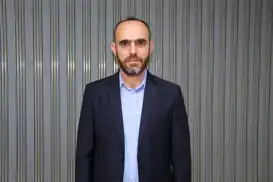
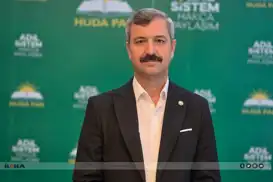
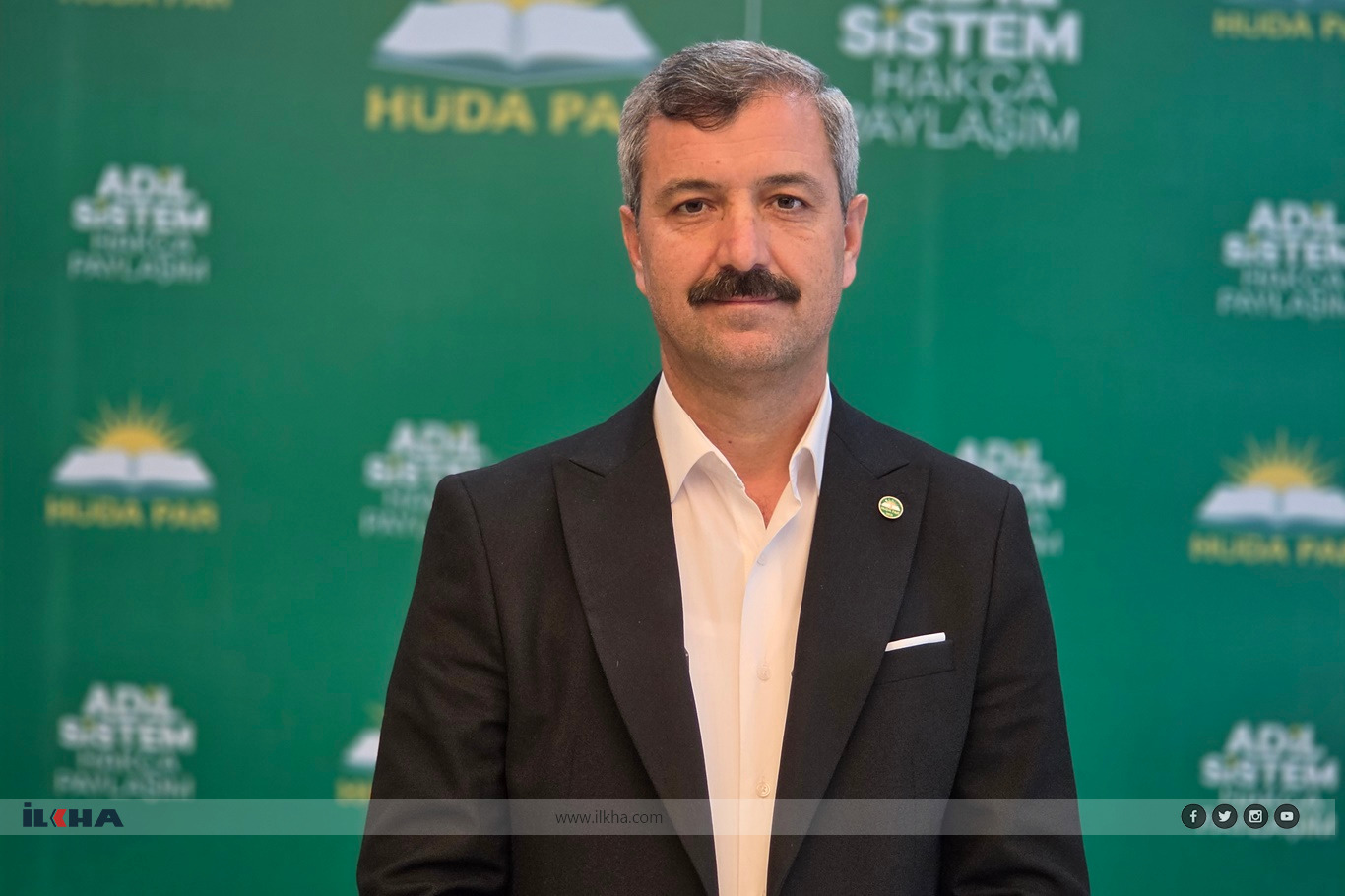
HÜDA PAR (Free Cause Party) Education Affairs Head Yahya Oğraş has called on Azerbaijani President Ilham Aliyev to immediately lift restrictions on the hijab in educational institutions, describing the measures as violations of fundamental rights, religious freedom and the dignity of Muslim women and girls.
Oğraş urged Turkish President Recep Tayyip Erdoğan to use his close diplomatic relations with Aliyev to help end the restrictions, warning that policies targeting religious expression could deepen social divisions, undermine public trust and inflict lasting wounds on Azerbaijani society.
In an extensive assessment of the issue, the HÜDA PAR official stressed that the freedom to practice one's faith and fulfill religious obligations, including wearing the hijab, is a fundamental human right that must be respected and protected by law. He argued that preventing Muslim students from wearing the hijab because of their religious convictions is incompatible with the principles of human rights and fundamental freedoms.
Oğraş emphasized that HÜDA PAR's criticism should not be interpreted as interference in Azerbaijan's internal affairs, but rather as a principled stance in defense of religious freedom, human dignity and the right of individuals to live according to their beliefs.
He called on Azerbaijani authorities to reconsider their approach, warning that restrictions on religious practices could create unnecessary tensions between the state and society at a time when governments should be working to strengthen social cohesion and respect for fundamental rights.
'Hijab restrictions are taking Azerbaijan backwards'
Criticizing restrictions on the hijab in Azerbaijani schools and educational institutions, Oğraş said such practices represented a serious setback at a time when religious freedom and fundamental rights should be receiving greater protection.
He argued that people of all faiths should be able to observe their religious obligations and uphold their cultural values without being subjected to pressure, discrimination or exclusion. In his view, preventing Muslim girls from wearing the hijab contradicts the principle that individuals should be free to make decisions about their religious lives.
Oğraş described the restrictions as an outdated approach that risks undermining the progress societies have made in recognizing religious and cultural freedoms.
"In all countries of the world, a serious level has been reached on matters of faith and fundamental rights and freedoms," he said, arguing that restrictions in Azerbaijani educational institutions were taking the country backwards rather than helping it advance.
He stressed that freedom of religion should not depend on whether a person's beliefs conform to the preferences of those in power. Instead, the state should protect the rights of citizens to practice their faith peacefully and without fear of punishment or exclusion.
Oğraş also warned that policies imposed through pressure and coercion could provoke public anger and create divisions that would be difficult to overcome. Restricting religious expression, he said, risks turning a matter of individual belief into a source of broader social conflict.
Emphasizing the value of every individual, he said faith, language, cultural identity and religious affiliation must be respected as fundamental aspects of human dignity.
"Every human being is a value," Oğraş said, stressing that religious and cultural values should be protected rather than targeted by restrictive measures.
He called on Azerbaijani officials to abandon policies that interfere with the peaceful practice of Islam, warning that coercive measures against religious communities could undermine social harmony and weaken the relationship between citizens and the state.
Türkiye's February 28 experience should serve as a warning
Drawing parallels with Türkiye's February 28 process, when headscarved students faced restrictions and many women experienced barriers to education because of their religious dress, Oğraş said Azerbaijan should learn from the injustices experienced during that period.
He recalled that restrictions on religious expression in Türkiye caused profound suffering, particularly among Muslim women and girls who were prevented from pursuing their education or faced pressure because they chose to wear the hijab.
According to Oğraş, the consequences of those policies extended beyond the immediate restrictions, leaving lasting grievances among affected individuals and their families.
"We have still not been able to correct the damages of those days or heal the wounds," he said, describing the period as a painful chapter whose effects remain deeply felt.
He warned that similar practices in Azerbaijan could produce comparable grievances, creating resentment that might persist long after the restrictions themselves were removed.
Oğraş urged Aliyev and Azerbaijani officials to draw lessons from Türkiye's experience rather than allow the same mistakes to be repeated in a neighboring country with which Türkiye shares close historical, cultural and religious ties.
He stressed that the right of Muslim students to fulfill their religious obligations must not be disregarded or sacrificed to restrictive policies. Governments, he argued, should recognize that suppressing religious expression does not resolve social differences but instead risks deepening them.
Oğraş called for the restrictions to be reversed as soon as possible, emphasizing that preventing the recurrence of such injustices would be far easier than repairing the social damage they could cause.
'One nation, two states' must be reflected in religious freedoms
Oğraş called for a stronger response in Türkiye to the restrictions, arguing that the issue deserves particular attention because of the two countries' shared historical, cultural and religious heritage and their close political relationship, commonly expressed through the slogan "One nation, two states."
He said the longstanding ties between Türkiye and Azerbaijan should encourage both countries to demonstrate sensitivity towards the religious concerns of their populations.
While welcoming statements and expressions of solidarity in Türkiye, Oğraş argued that the response had not been sufficient and that a stronger public and political stance was needed.
He called on politicians, civil society organizations and all groups committed to human rights and religious freedom to raise their voices in support of Azerbaijani students who wish to wear the hijab.
Oğraş emphasized that the concerns of these students should not be dismissed or ignored, particularly when they are seeking to exercise what he described as a fundamental right to practice their faith.
He also warned that restrictions on religious expression could damage Azerbaijan's social cohesion and weaken its relations with neighboring countries.
"While society's bond with you exists and this bond is strong, why are you trying to weaken and sever it?" he said, questioning what benefit the restrictions could bring to the Azerbaijani administration.
Oğraş argued that maintaining public trust requires governments to respect the religious and cultural values of their citizens rather than introduce measures that could alienate sections of society.
He called on the Azerbaijani administration to listen to the concerns being expressed by religiously observant citizens and respond by removing the restrictions.
Oğraş urges Erdoğan to raise the issue directly with Aliyev
Pointing to the positive relations between Ankara and Baku, Oğraş called on Erdoğan to make the issue a priority in his diplomatic contacts with Aliyev.
He argued that the close relationship between the two presidents provided an opportunity for Türkiye to encourage a change in policy through dialogue and diplomatic engagement.
"Considering that our esteemed President is a sensitive person and that his relations with the President of Azerbaijan are proceeding positively, he needs to develop a serious diplomatic traffic," Oğraş said.
He urged Erdoğan to raise the issue during his meetings with Aliyev and encourage the Azerbaijani leadership to take immediate steps to end the restrictions.
Oğraş also called on other Azerbaijani officials to respond constructively to concerns raised by their counterparts in Türkiye, saying that sustained dialogue could help resolve the issue without further aggravating social tensions.
He maintained that diplomatic engagement should aim to ensure that Muslim women and girls can fulfill their religious obligations without facing obstacles in educational institutions.
Addressing Aliyev, Azerbaijani state institutions and the public, Oğraş warned that policies restricting religious expression could have consequences extending beyond the immediate issue of the hijab.
He argued that measures that undermine religious and cultural values risk causing harm at the social, economic and political levels by weakening public confidence and creating unnecessary divisions.
"Preventing the living of sacred values and placing barriers in front of the practice of these values has throughout history never brought benefit to anyone," he said, calling on Azerbaijani authorities to learn from historical experience and reverse the restrictions.
Oğraş reiterated that protecting religious freedom would serve the interests of both the Azerbaijani people and the state by helping preserve social harmony and strengthen public trust.
Fundamental rights must be protected by law, not temporary directives
Beyond calling for the immediate removal of the restrictions in Azerbaijan, Oğraş stressed the importance of establishing lasting legal safeguards for religious freedom.
He argued that fundamental rights should not depend solely on administrative decisions, government circulars or directives that can be changed or withdrawn. Instead, he said, these rights must be protected through clear and durable constitutional and legal provisions.
According to Oğraş, measures that provide temporary relief without establishing permanent legal guarantees leave religious communities vulnerable to renewed restrictions whenever political circumstances change.
He said HÜDA PAR had long advocated placing fundamental rights and freedoms under comprehensive legal protection, arguing that legislation should safeguard citizens against arbitrary interference in their religious lives.
Oğraş also linked the debate to ongoing discussions about constitutional reform in Türkiye, calling for a new civilian constitution that takes society's religious sensitivities into account and provides firm guarantees for fundamental rights.
He noted that President Erdoğan, Parliament Speaker Numan Kurtulmuş and HÜDA PAR Chairman Zekeriya Yapıcıoğlu had also addressed the need for constitutional reform and stronger protection of rights.
Oğraş argued that the new constitution should establish a framework in which citizens can practice their faith freely, without fear that changes in government policy could once again restrict their religious expression.
He stressed that the freedom to wear the hijab must be explicitly protected, rather than left dependent on administrative regulations that might not provide sufficient long-term security.
'The hijab must be placed under constitutional guarantee'
Oğraş said the current political climate in Türkiye presented an opportunity to establish lasting safeguards against a recurrence of the restrictions imposed during the February 28 process.
He acknowledged that the situation regarding the hijab had improved under the current administration but warned that progress could remain vulnerable without firm constitutional and legal guarantees.
Although administrative measures and circulars can provide practical protection, he argued, they cannot offer the same permanence as constitutional provisions and comprehensive legislation.
"If legal guarantees are not provided through the constitution and laws, the same problems can reappear in the event of a change in the administration or the government," Oğraş said.
He called on lawmakers to ensure that the new constitution protects the freedom of Muslim women and girls to wear the hijab and safeguards the right of all citizens to practice their religious beliefs without discrimination.
Oğraş maintained that such protections would not only prevent the return of past injustices but also strengthen public confidence by ensuring that fundamental freedoms remain secure regardless of political changes.
He emphasized that the issue goes beyond the right to wear a particular form of clothing, arguing that it concerns the broader principle that individuals should not be forced to choose between their religious convictions and access to education or participation in public life.
Oğraş urged policymakers to take the necessary steps without further delay, saying that constitutional protection would provide a stronger foundation for social peace and the preservation of religious freedoms.
Concluding his appeal, the HÜDA PAR official once again called on Aliyev to lift the hijab restrictions in Azerbaijan and urged Erdoğan to use diplomatic channels to help secure their removal.
He also reiterated his call for a new civilian constitution in Türkiye that places religious freedom and the right to wear the hijab under explicit constitutional protection, arguing that fundamental rights must be guaranteed permanently rather than left vulnerable to changing political circumstances. (ILKHA)
LEGAL WARNING: All rights of the published news, photos and videos are reserved by İlke Haber Ajansı Basın Yayın San. Trade A.Ş. Under no circumstances can all or part of the news, photos and videos be used without a written contract or subscription.
İDEV Chairman Fatih Taş condemns restrictions on headscarved students and calls on President Erdoğan to use diplomatic channels to resolve the issue, drawing parallels with Türkiye’s February 28 process.
France will introduce a waiting list system for short-stay Schengen visa applications submitted in Türkiye for tourism and private visits from 15 October 2026, replacing the current method of directly selecting appointment dates.
Turkish security forces have detained 17 irregular migrants in the western coastal province of İzmir following a joint ground operation, according to state authorities.