Oil prices fall to lowest levels since August amid hopes of easing US-Iran tensions
 13 oC

Güneşli

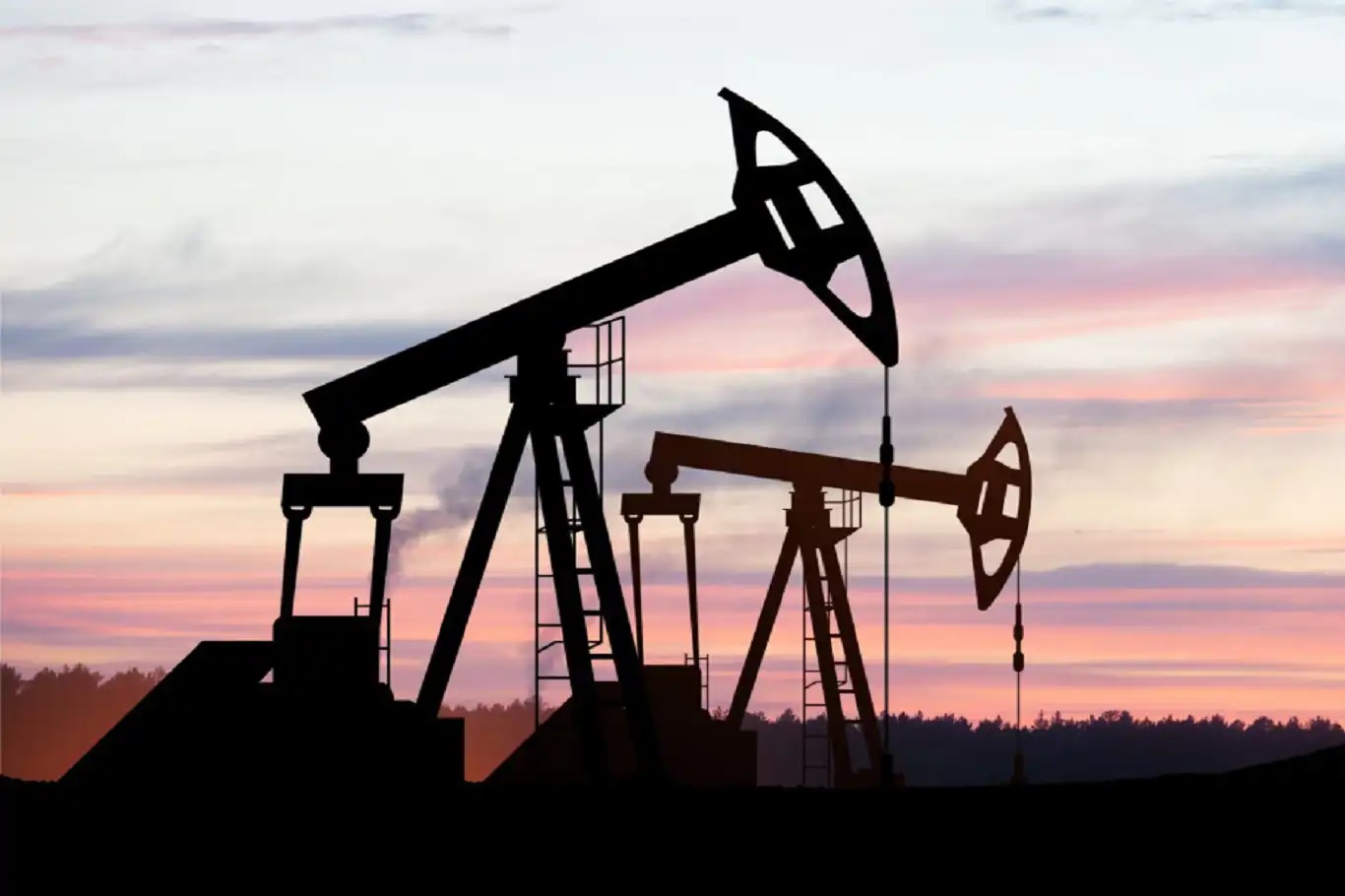
Oil prices fell to their lowest levels since August on Wednesday as markets responded to hopes of a de-escalation in tensions between the United States and Iran, alongside concerns over global supply and demand.
Brent crude briefly dropped below $90 a barrel on Tuesday for the first time since Aug. 31, before recovering slightly in early trading on Wednesday.
As of 7:36 a.m. Tokyo time on Wednesday, Brent crude was trading at $91.98 a barrel, down 0.64%, while US West Texas Intermediate (WTI) crude fell 0.93% to $86.04.
Brent settled at $92.57 on Tuesday, marking a 5.85% decline, while its intraday low of $89.65 underscored the sharp shift in market sentiment.
The decline followed US President Donald Trump's Nov. 9 announcement that he would hold off on further military strikes against Iran after appeals from regional countries. However, Washington's naval blockade in the Strait of Hormuz is expected to remain in place, leaving a major source of uncertainty for energy markets.
The sell-off followed a sharp decline in the previous week, when Brent crude lost around 16%, its steepest weekly drop since the beginning of the COVID-19 pandemic. The latest losses reflect a reduction in the geopolitical risk premium that had pushed oil prices higher amid fears of prolonged disruptions to energy supplies from the Middle East.
However, prospects for a diplomatic settlement remain uncertain. Iran's senior security official Mohsen Rezaei said on Tuesday that no negotiations were currently underway between Tehran and Washington. He added that Iran had set conditions for reopening the Strait of Hormuz and resuming talks, but had yet to receive a clear response from the US government.
Trump's decision to suspend further strikes followed diplomatic efforts by regional countries, including Qatar, which has sought to facilitate an end to the conflict. Nevertheless, Washington has indicated that its naval blockade of the Strait of Hormuz will remain in place, while reports of shipping incidents in and around the strategic waterway continue to highlight the risks facing global energy supplies.
The Strait of Hormuz is one of the world's most important energy transit routes, making developments surrounding its security a major factor in global oil market movements.
Analysts say oil prices could face further downward pressure if diplomatic efforts gain momentum and regional oil flows recover. However, a breakdown in diplomatic efforts or renewed military escalation could quickly reverse the recent decline.
For now, traders are closely monitoring developments between Washington and Tehran, with the absence of a confirmed agreement leaving considerable uncertainty over the outlook for oil prices. (ILKHA)
LEGAL WARNING: All rights of the published news, photos and videos are reserved by İlke Haber Ajansı Basın Yayın San. Trade A.Ş. Under no circumstances can all or part of the news, photos and videos be used without a written contract or subscription.

Türkiye's trade sales volume fell by 5.6% year-on-year in September 2026, while retail sales increased by 7.7%, according to data released by the Turkish Statistical Institute (TurkStat) on Wednesday.

Türkiye's total turnover index, covering the industry, construction, trade and services sectors, increased by 28.5 per cent in September compared with the same month last year, while the monthly increase was recorded at 2.4 per cent, according to official data.

HÜDA PAR MP Şahzade Demir, drawing attention to the public’s livelihood difficulties through TurkStat’s announced November inflation data, stated that the high cost of living continues and emphasized that everyone named in the fund investigations must be held accountable.