Türkiye faces sharp decline in raw milk production as 2025 figures reveal 4.9% slump

 13 oC

Güneşli

Türkiye’s agricultural sector is grappling with a notable contraction in dairy output, as newly released data from the Turkish Statistical Institute (TÜİK) confirms a nearly 5% drop in raw milk production over the past year.
According to the official statement released Tuesday, total raw milk production for 2025 fell to 21,379,088 tons, down from the 22,487,757 tons recorded in 2024. The 4.9% decline highlights growing challenges within the country's animal production holdings.
Decline Across All Milk Categories
According to the report, cow’s milk—by far the dominant source—declined by 4.0%, while more dramatic drops were recorded in other categories. Buffalo milk production plunged by 33.0%, goat milk fell by 29.8%, and ewe’s milk declined by 11.9% compared to the previous year.
Despite the overall decrease, cow’s milk continued to account for the overwhelming majority of production, making up 94.5% of total raw milk output. Ewe’s milk represented 3.7%, goat milk 1.6%, and buffalo milk just 0.2%, highlighting the sector’s heavy reliance on cattle farming.
Distribution and Usage of Milk
The report also detailed how raw milk was utilized across the country. A majority—60.9%—was delivered to milk collection centers and the dairy processing industry, including factories and dairies. Meanwhile, 17.1% was sold directly to consumers or small-scale vendors such as street milk sellers, merchants, and local businesses including patisseries and ice cream producers.
A significant portion of production, 14.1%, was retained by agricultural households for the production of dairy goods such as cheese, yogurt, and butter. Additionally, 4.8% of milk was used as animal feed after milking, while 1% was consumed within households or distributed free of charge.
Losses during production and processing remained minimal, accounting for just 0.1% of total output. However, 2% of the milk produced had an unknown utilization area, according to the statistical release.
Sector Faces Ongoing Challenges
The decline in raw milk production comes amid broader concerns within Türkiye’s agricultural sector, including rising input costs, feed prices, and structural challenges faced by small-scale producers. Industry observers warn that continued decreases could impact both domestic supply and prices of dairy products if the trend persists.
The latest data underscores the need for targeted support policies to stabilize production and ensure sustainability in one of the country’s key agricultural industries. (ILKHA)
LEGAL WARNING: All rights of the published news, photos and videos are reserved by İlke Haber Ajansı Basın Yayın San. Trade A.Ş. Under no circumstances can all or part of the news, photos and videos be used without a written contract or subscription.

Afghanistan and Iran have discussed ways to strengthen bilateral economic cooperation, expand agricultural exports and facilitate cross-border trade during a meeting between their senior officials.
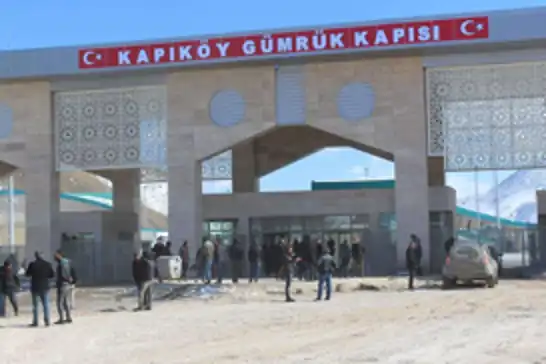
Representatives of Türkiye and the Islamic Republic of Iran met in Istanbul during the Logitrans 2026 International Transport and Logistics Exhibition to discuss ways to strengthen bilateral cooperation in road transportation and improve transit operations between the two neighboring countries.
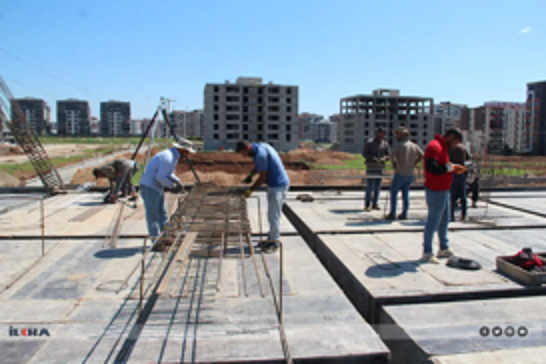
Türkiye's construction production index declined by 6.3% year-on-year in September 2026, with output falling in building construction and specialised construction activities, while civil engineering recorded an increase, the Turkish Statistical Institute (TurkStat) said Friday.

Afghanistan and Russia have signed 15 memorandums of understanding (MoUs) worth a total of $103 million to strengthen bilateral trade and expand economic cooperation between the two countries.