Volkswagen considers 100,000 job cuts as Europe's auto industry faces mounting challenges
 13 oC
13 oC 
Güneşli

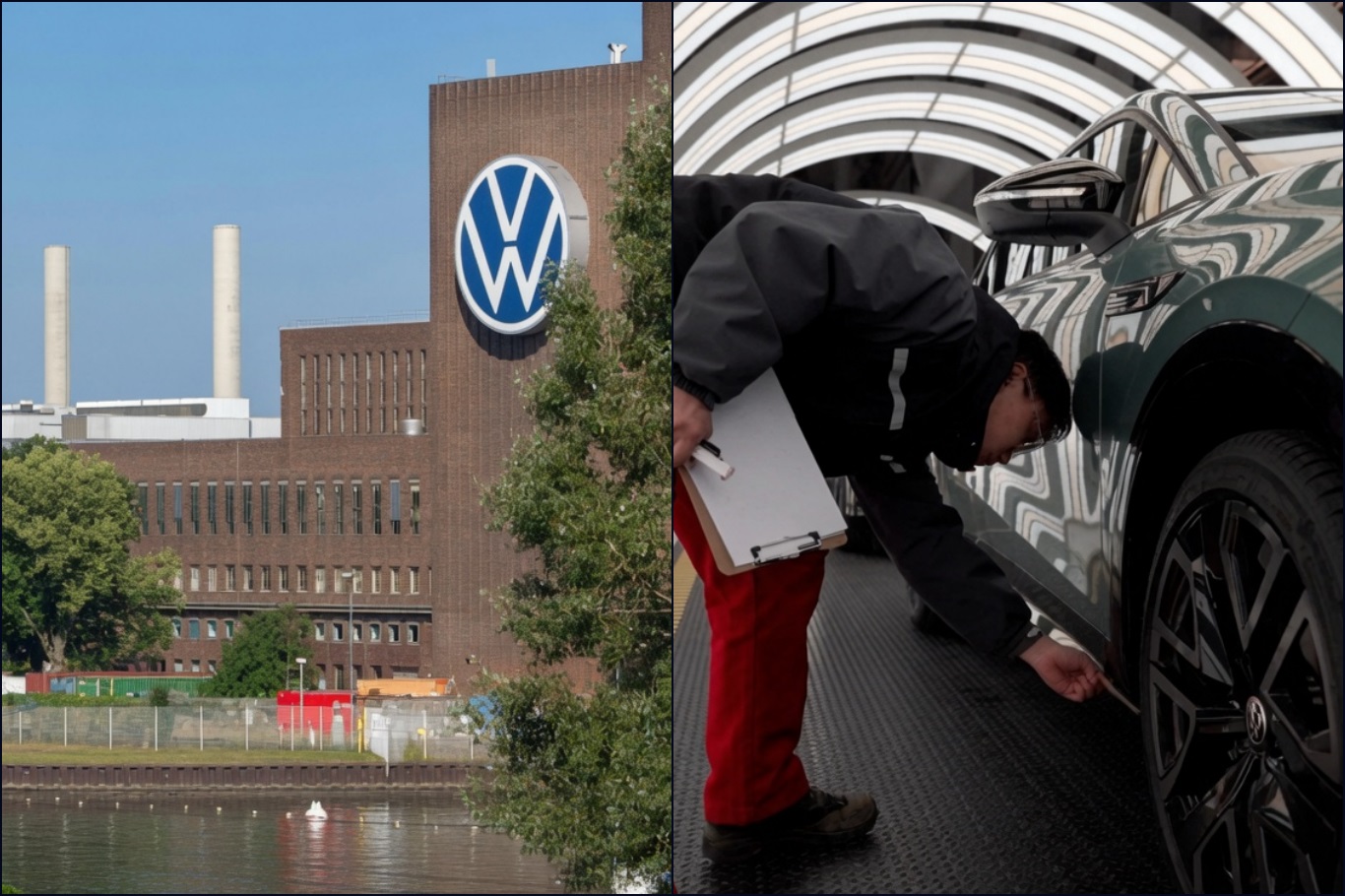
German automotive powerhouse Volkswagen is reportedly preparing one of the largest corporate overhauls in its 89-year history, with plans to eliminate up to 100,000 jobs globally over the next four to five years and shutter four major manufacturing facilities in Germany.
According to reports by German business publication Manager Magazin, the proposed measures form part of a sweeping effort to reduce costs and restore competitiveness as Volkswagen struggles with declining market share, growing competition from Chinese electric vehicle manufacturers, and economic pressures stemming from international trade disputes.
The planned cuts would affect roughly 15 percent of Volkswagen's global workforce. The company currently employs approximately 660,000 people worldwide, making it one of the largest industrial employers in Europe.
Among the facilities reportedly under consideration for closure are major manufacturing sites in Hanover, Zwickau, and Emden, as well as Audi's production hub in Neckarsulm. The shutdown of these plants alone could affect around 45,000 workers, raising concerns about the economic future of entire communities that depend heavily on automotive manufacturing.
Reports indicate that members of Volkswagen's supervisory board have already been briefed on the proposal, with further discussions expected during a key meeting scheduled for July 9.
Volkswagen Chief Executive Officer Oliver Blume is reportedly seeking to reduce operational and administrative expenses by €11 billion by 2030. The restructuring forms part of a broader strategy aimed at reshaping the company for a rapidly changing automotive market.
The company is also reportedly examining a separation of its passenger-car and parts divisions, a move that could fundamentally alter Volkswagen's corporate structure. Such changes are intended to reduce investment expenditures and streamline operations, with spending projected to fall to approximately €130 billion over the next five years.
Industry analysts note that the proposals reflect growing anxiety within Europe's automotive sector as manufacturers confront a historic transformation driven by electrification, digitalization, and shifting global trade patterns.
One of Volkswagen's most pressing challenges is the rapid rise of Chinese electric vehicle manufacturers. Companies such as BYD, Geely, and NIO have dramatically expanded their market presence in recent years, offering competitively priced electric vehicles that increasingly appeal to consumers both in China and abroad.
China has long been Volkswagen's most important foreign market, accounting for a substantial portion of its global sales. However, the German automaker has struggled to maintain its dominant position as domestic Chinese manufacturers gain market share through aggressive innovation, lower production costs, and advanced battery technologies.
Industry experts argue that Chinese firms have benefited from years of investment in electric vehicle supply chains, allowing them to produce vehicles more efficiently than many traditional Western manufacturers.
Volkswagen is also grappling with growing trade barriers affecting exports to the United States. Increased tariffs on imported vehicles have raised costs and complicated the company's traditional business model, which relies heavily on manufacturing vehicles in Europe before exporting them to global markets.
According to company statements cited in international media reports, Volkswagen believes that producing vehicles primarily in Europe for export is becoming increasingly difficult in an era marked by protectionist trade policies and regionalized supply chains.
Automakers across Europe have warned that prolonged tariff disputes could further weaken the competitiveness of the continent's manufacturing sector.
The proposed restructuring has sparked fierce opposition from labor organizations.
Germany's powerful industrial union IG Metall and Volkswagen's General Works Council have vowed to resist any large-scale layoffs or factory closures.
"If such plans are pushed forward, we would prevent them with all our might," worker representatives said after reports of the restructuring plans emerged.
The backlash reflects broader concerns across Germany about deindustrialization and the future of manufacturing employment. The automotive industry directly and indirectly supports millions of jobs throughout Europe and serves as a cornerstone of Germany's export-driven economy.
For decades, Volkswagen symbolized Germany's industrial strength and engineering excellence. However, the company now finds itself navigating one of the most difficult periods in its history as the global automotive landscape undergoes profound transformation.
Analysts warn that the outcome of Volkswagen's restructuring efforts could have implications far beyond the company itself. The decisions made in the coming months may serve as a benchmark for how European manufacturers respond to intensifying competition, technological disruption, and shifting economic realities.
As uncertainty grows, workers, investors, and policymakers alike are closely watching whether Volkswagen can successfully reinvent itself while preserving the industrial foundation that helped make it one of the world's largest automakers. (ILKHA)
LEGAL WARNING: All rights of the published news, photos and videos are reserved by İlke Haber Ajansı Basın Yayın San. Trade A.Ş. Under no circumstances can all or part of the news, photos and videos be used without a written contract or subscription.
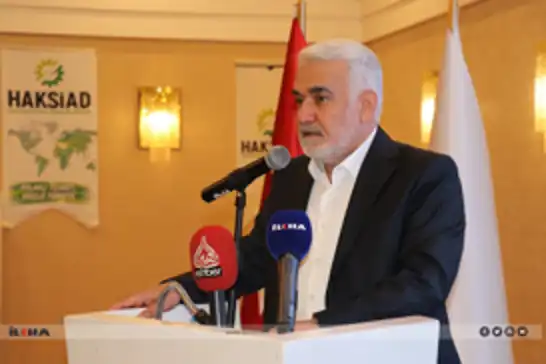
HÜDA PAR General President Zekeriya Yapıcıoğlu called on business leaders to uphold honesty, justice, and Islamic values in trade, saying that ethical merchants have historically played a vital role in spreading Islam through their conduct.
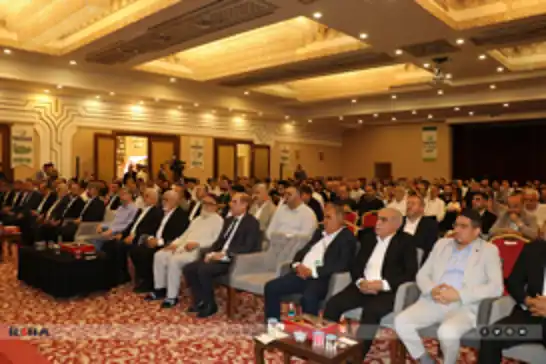
The Association of Just Industrialists and Businessmen (HAKSİAD) has brought together hundreds of industrialists, entrepreneurs, business leaders, and investors from Türkiye and abroad for its traditional 6th Businessmen Meeting.
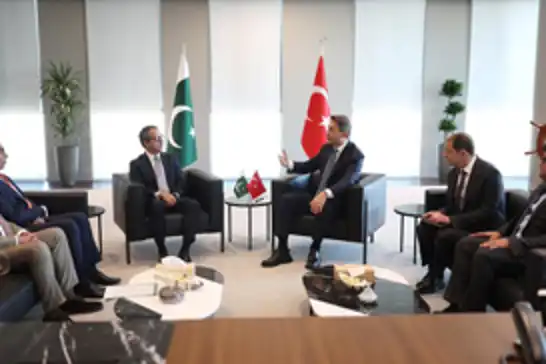
Türkiye and Pakistan discussed opportunities for cooperation in the energy sector during talks held in Istanbul between senior officials from both countries.