World Bank projects 4% growth for Afghanistan’s economy in 2026
 13 oC
13 oC 
Güneşli

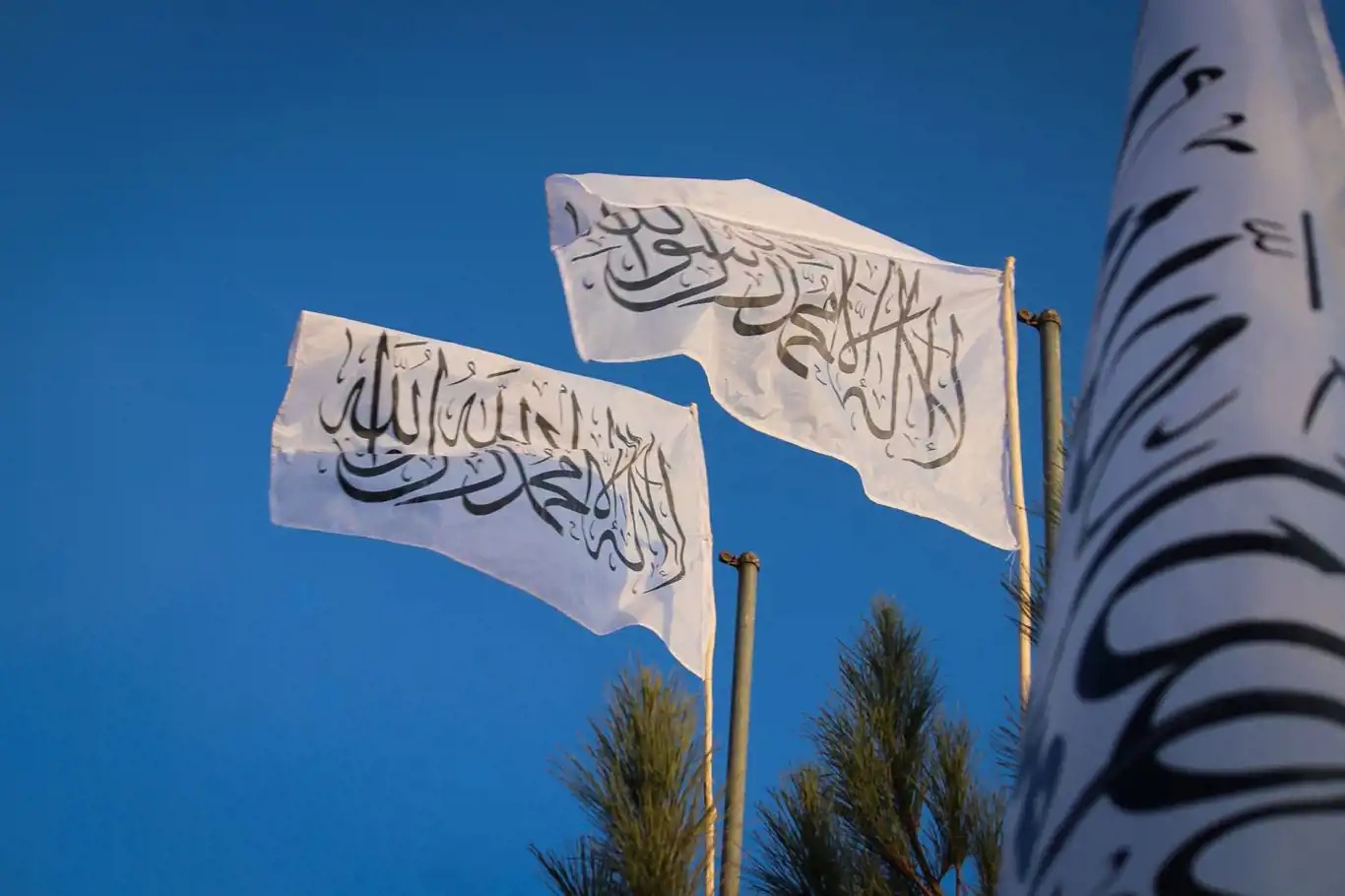
The World Bank has projected that Afghanistan’s economy will grow by around 4 percent in 2026, driven by rising domestic demand, increased private sector activity, and the gradual integration of returning migrants into the labor market.
In its latest report, the institution highlighted cautious optimism for economic recovery while warning that external risks—particularly regional instability—could undermine progress.
According to the report, improved household consumption and a pickup in private investment are expected to support Afghanistan’s economic expansion. The absorption of returnees into the workforce is also seen as a key factor contributing to growth.
However, the World Bank emphasized that this recovery remains fragile and uneven.
The report identified ongoing conflicts in the Middle East as a significant threat to Afghanistan’s economic outlook, warning that instability could disrupt trade flows and trigger increased migration pressures.
“Ongoing conflict in the Middle East poses a major risk, as it can negatively affect the economy through trade disruptions and increased migration flows,” the report stated.
A major vulnerability highlighted in the report is Afghanistan’s dependence on trade routes passing through Iran, which account for approximately 60 percent of its total trade.
The World Bank warned that any disruption to this corridor could slow economic growth and drive up inflation, although alternative trade routes may help mitigate some of the impact.
The report also reviewed Afghanistan’s recent economic performance, noting that the economy remained fragile in 2025 despite a modest recovery from the sharp downturn experienced during 2021–2022.
Gross domestic product (GDP) grew by an estimated 4.8 percent in 2025, largely supported by stronger private consumption and a rebound in non-agricultural sectors.
However, rapid population growth and rising inflation led to a decline of approximately 5.6 percent in per capita GDP, highlighting ongoing economic challenges.
Afghanistan’s economy in 2025 faced multiple external shocks, including a steep reduction in foreign aid, prolonged border closures with Pakistan, natural disasters such as droughts and earthquakes, and a large influx of returning migrants from Iran and Pakistan.
These factors contributed to an estimated 11 percent increase in the population, largely driven by net migration, placing additional strain on the country’s economic infrastructure and resources.
While the World Bank’s projections points to a gradual recovery, it cautioned that Afghanistan’s economic outlook remains highly uncertain and vulnerable to both regional instability and structural challenges.
The report underscores the need for sustained economic reforms and improved resilience to external shocks as Afghanistan navigates its path toward recovery. (ILKHA)
LEGAL WARNING: All rights of the published news, photos and videos are reserved by İlke Haber Ajansı Basın Yayın San. Trade A.Ş. Under no circumstances can all or part of the news, photos and videos be used without a written contract or subscription.
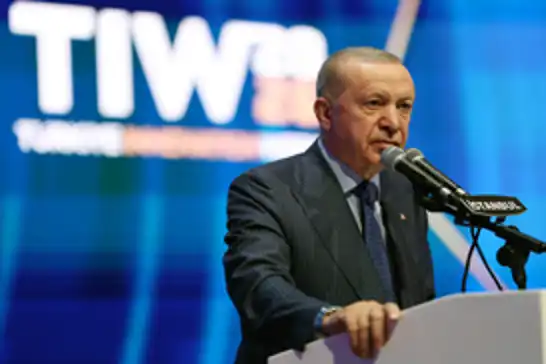
Türkiye’s research and development spending has risen to $20 billion from $1.2 billion in 2002, President Recep Tayyip Erdogan said on Friday, highlighting efforts to strengthen the country’s position in the global technology race.

Istanbul accounted for 25.6% of household consumption expenditure in Türkiye, followed by the Aegean region with 14.5% and the Mediterranean region with 12.6%, Turkish Statistical Institute data showed on Friday.
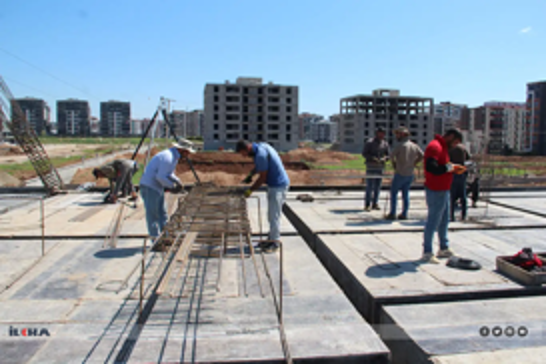
Türkiye’s construction production increased by 2.3% year-on-year in August 2026, the Turkish Statistical Institute (TurkStat) said in statement on Thursday.
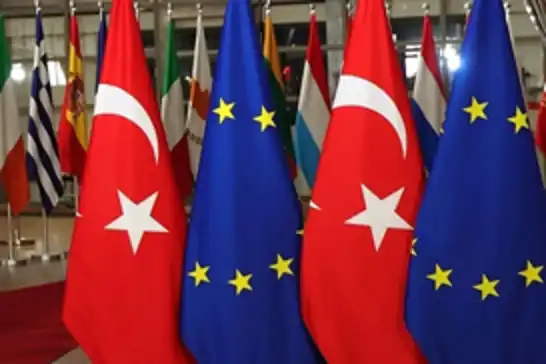
The European Union and Türkiye have agreed to pursue closer trade cooperation and address outstanding market-access barriers after their third High-Level Dialogue on Trade in Brussels, as bilateral goods trade reached a record €217.6 billion in 2025.