DR Congo Ebola outbreak kills 3,639 as confirmed cases surpass 7,500
 13 oC
13 oC 
Güneşli

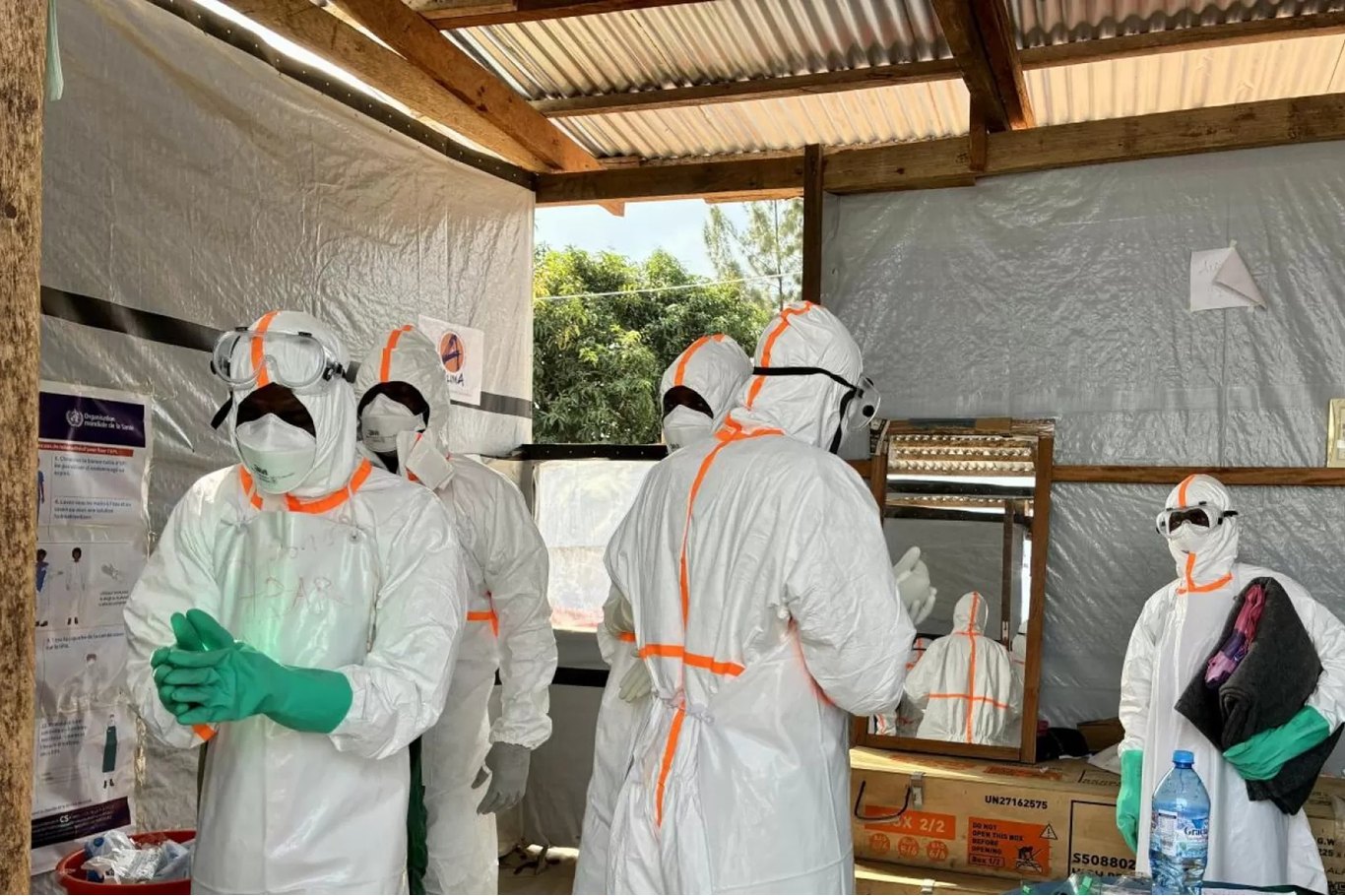
The Democratic Republic of Congo is confronting one of its most severe Ebola outbreaks on record, with more than 7,500 confirmed cases and 3,600 deaths reported as health authorities intensify efforts to contain the rapidly spreading disease.
According to figures released on Sept. 17, a total of 7,541 people had been confirmed infected, while 3,639 had died. Another 1,823 patients had recovered, while about 930 remained in isolation or under treatment in health facilities.
The outbreak, caused by the Bundibugyo virus, has now spread across seven provinces and 62 health zones, according to the latest World Health Organization data. It is centered primarily in eastern Congo, with Ituri remaining the hardest-hit province.
The scale of the outbreak has made it the fastest-growing Ebola outbreak reported in Congo, according to health officials, while the number of deaths has made it the second-deadliest Ebola epidemic ever recorded, behind the 2014–2016 West Africa outbreak.
Despite the alarming overall figures, health authorities have reported some encouraging developments.
In the 24 hours preceding the Sept. 17 figures, no additional health zone reported a new outbreak, while 25 patients were declared recovered.
The WHO has also reported declining transmission in parts of Ituri, where the outbreak began, and said some health zones have gone weeks without detecting new cases. However, the agency has warned against declaring the outbreak under control, particularly because transmission remains significant in North Kivu and other areas.
The geographical spread remains a major concern. The latest WHO regional update said the first confirmed case in Sud-Ubangi province brought the number of affected provinces to seven, increasing the risk of the virus spreading toward international borders.
Authorities have accelerated vaccination efforts, particularly among healthcare and other frontline workers who face a high risk of exposure.
On Sept. 19, Congo began vaccinating healthcare workers in Bunia, the capital of Ituri province and the epicenter of the outbreak. The campaign is using the Ervebo vaccine under a research and compassionate-use framework.
More than 3,000 frontline workers had already received Ervebo by mid-September, according to the WHO. However, there is an important limitation: Ervebo is licensed for the Zaire ebolavirus, not the Bundibugyo virus responsible for the current outbreak. WHO experts have therefore said there is currently insufficient evidence to establish its effectiveness against the strain involved in Congo's epidemic.
A clinical trial is also underway to evaluate potential treatments for Bundibugyo virus disease. The PARTNERS trial, launched in July, has enrolled more than 300 confirmed patients in treatment facilities in Ituri.
Health authorities are continuing to monitor people who have been exposed to confirmed Ebola patients. The latest figures put the contact-tracing rate at more than 87%, a key component of efforts to identify infections before they lead to wider transmission.
But Congo faces major logistical and security challenges in maintaining the response.
Conflict and population displacement in parts of eastern Congo have complicated efforts to reach affected communities, while health workers have faced difficult operating conditions. WHO has expanded air-support operations to help transport response teams, medical supplies and other essential equipment to affected areas.
The outbreak's high case-fatality rate also reflects the challenges of detecting infections early and ensuring timely access to treatment. WHO has stressed that rapid diagnosis, supportive medical care, contact tracing and sustained surveillance remain essential to preventing further transmission.
With cases continuing to emerge in multiple provinces, health officials are cautiously pointing to signs of progress while warning that the epidemic remains far from over. The combination of geographical spread, population movement and limited evidence on vaccines and treatments specifically targeting the Bundibugyo virus continues to pose a major challenge to Congo's efforts to bring the outbreak under control. (ILKHA)
LEGAL WARNING: All rights of the published news, photos and videos are reserved by İlke Haber Ajansı Basın Yayın San. Trade A.Ş. Under no circumstances can all or part of the news, photos and videos be used without a written contract or subscription.
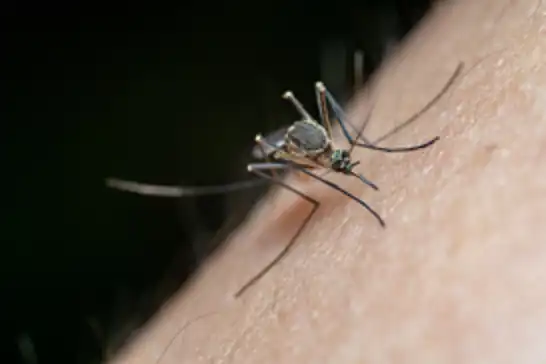
Italy is seeing evidence that rising temperatures and longer warm seasons are helping mosquitoes spread West Nile virus across a wider geographic area and for a longer period of the year, according to health authorities.
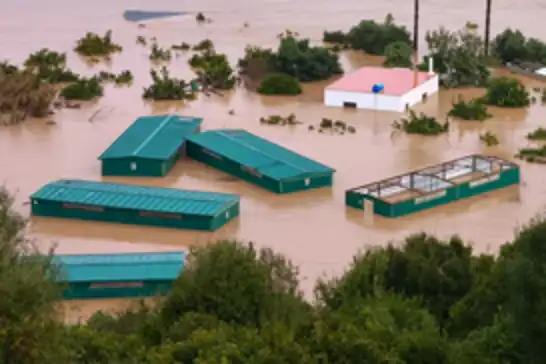
Torrential rain and flash floods have swept across eastern Spain, killing one person and causing widespread disruption to roads, railways, airports and public transport in Catalonia and the Valencia region.

The Democratic Republic of the Congo’s worst Ebola outbreak on record has surpassed 7,000 confirmed cases, with nearly 3,400 people dead as health authorities struggle to contain the rapidly spreading virus amid conflict, displacement and severe shortages of medical personnel and funding.