ECDC warns Europe faces growing mosquito-borne disease threat
 13 oC
13 oC 
Güneşli

Europe is facing a growing threat from mosquito-borne diseases as West Nile virus continues to spread and invasive mosquito species become established in new parts of the continent, the European Centre for Disease Prevention and Control (ECDC) warned Friday.
The agency said Europe needs to significantly strengthen mosquito surveillance and expand the tools available to control mosquito populations, warning that countries currently have uneven capacities to respond to the emerging threat.
“The expansion of West Nile virus transmission as well as the spread of invasive mosquito species demonstrate why Europe needs to strengthen its mosquito-control capacity,” said Céline Gossner, an ECDC expert on food, water, vector-borne and zoonotic diseases.
The warning comes during the peak summer transmission period, when warmer temperatures and favorable environmental conditions can accelerate mosquito breeding and virus transmission.
According to ECDC data, 429 locally acquired West Nile virus cases had been reported across nine European countries as of Aug. 13.
Six European regions also reported locally acquired West Nile infections for the first time this year, highlighting the geographical expansion of the disease.
The ECDC warned that the figures are likely to increase because West Nile virus transmission typically reaches its highest levels in August and early September.
West Nile virus is primarily transmitted through the bites of infected mosquitoes. Most infected people experience no symptoms, but some can develop fever and other illness, while a small proportion may develop serious neurological complications.
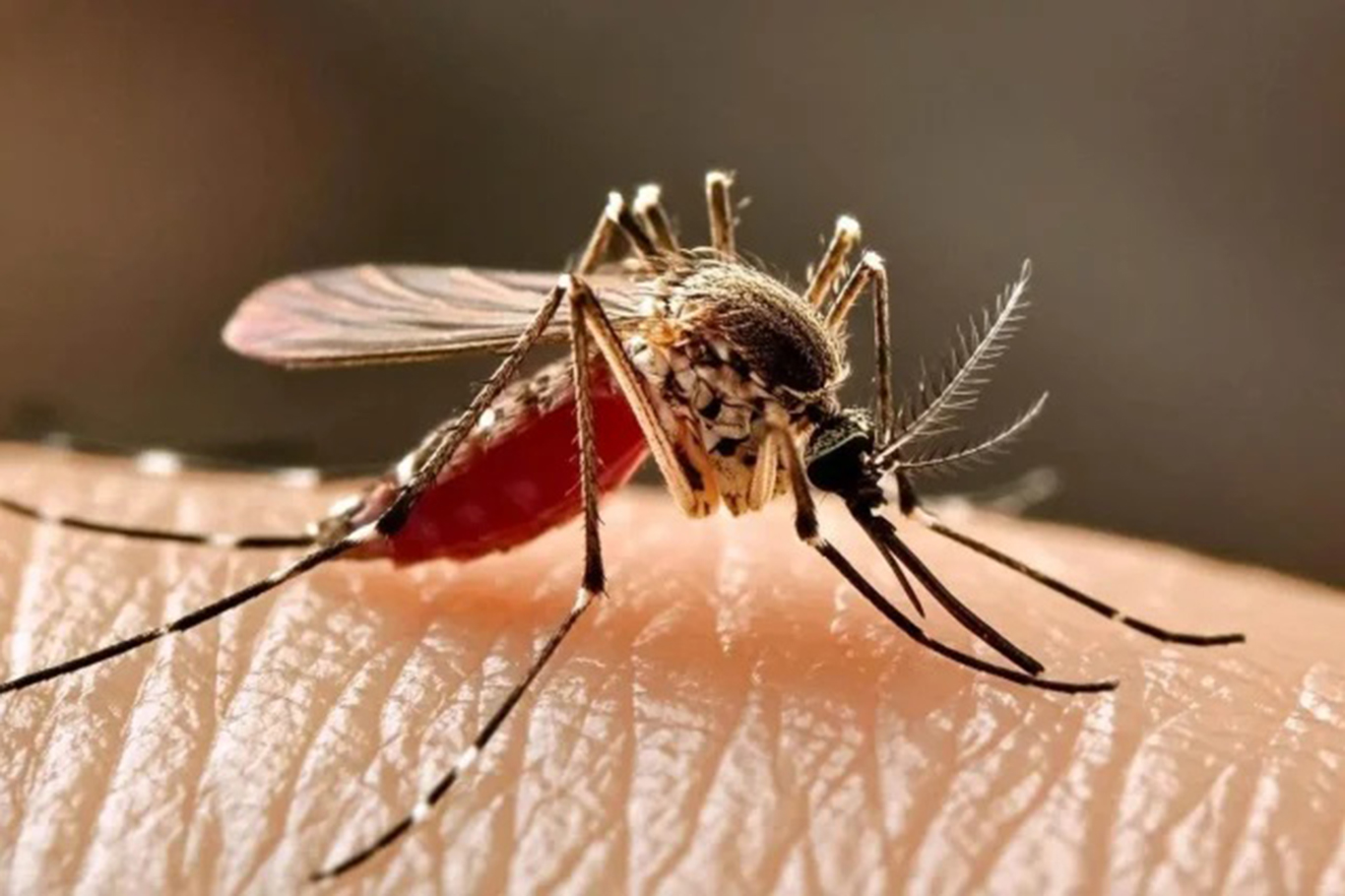
At the same time, Europe is witnessing the continued spread of Aedes albopictus, commonly known as the Asian tiger mosquito.
The invasive species has now become established in 16 European countries, twice the number recorded 12 years ago.
Aedes albopictus is capable of transmitting viruses including dengue and chikungunya, diseases that were previously associated mainly with tropical and subtropical regions.
The expansion of the mosquito is particularly concerning as increasingly warm conditions create more favorable environments for the species to survive and reproduce in parts of Europe.
The ECDC said the growing disease threat is being compounded by major differences between European countries in how mosquito surveillance and control programs are organized, financed and implemented.
A recent ECDC survey contacted 38 countries and jurisdictions, with 26 responding to the questionnaire.
The findings revealed that many mosquito-control programs depend on short-term funding rather than stable, long-term resources. Responsibilities are also divided between national, regional and local authorities in many countries, making coordination more difficult.
The ECDC warned that this fragmented approach could become increasingly problematic as mosquitoes and the diseases they transmit spread across national borders.
“Mosquitoes do not respect those borders,” the agency emphasized.
Gossner called for closer cooperation between European countries and a more integrated approach combining mosquito surveillance, public participation and targeted control measures.
“For effective mosquito control, we need close cooperation in Europe and an integrated approach that brings together mosquito monitoring, community engagement, and targeted mosquito control solutions that take environmental impact into account,” she said.
The ECDC said current mosquito-control responses are often reactive and ad hoc, with many programs focusing primarily on eliminating adult mosquitoes after disease transmission has already begun.
Long-term strategies designed to prevent invasive mosquito populations from becoming established are less common, the agency said.
For Aedes mosquitoes, European countries currently employ a combination of chemical and non-chemical measures. These include targeting mosquito larvae and other immature stages, eliminating breeding sites and encouraging communities to take steps to reduce standing water around homes and other areas.
The ECDC said climate change is increasing the urgency of efforts to strengthen mosquito surveillance and control.
Longer and more intense transmission seasons are already being observed for West Nile virus, dengue and chikungunya, according to the agency's assessment.
Warmer temperatures can create more favorable conditions for mosquito breeding, allow invasive species to survive in areas where they previously could not, and extend the period during which viruses can circulate.
The combination of climate change, increased international travel and the continued expansion of invasive mosquito species could therefore expose more European populations to diseases previously considered uncommon in the region.
With the current mosquito season approaching its most active phase, the ECDC urged European countries to strengthen surveillance and prevention efforts rather than relying solely on emergency responses after infections appear.
The agency said stronger monitoring systems, sustainable funding, coordinated cross-border action and greater public involvement will be essential to reducing the risk.
The growing presence of invasive mosquitoes and the spread of West Nile virus, the ECDC warned, demonstrate that mosquito-borne diseases are no longer solely a problem for tropical and subtropical regions.
Europe's ability to respond effectively will increasingly depend on whether countries can move from fragmented, short-term interventions toward coordinated and sustained mosquito-control strategies. (ILKHA)
LEGAL WARNING: All rights of the published news, photos and videos are reserved by İlke Haber Ajansı Basın Yayın San. Trade A.Ş. Under no circumstances can all or part of the news, photos and videos be used without a written contract or subscription.
The Democratic Republic of the Congo (DRC) has received an initial allocation of 70,000 doses of the Ervebo Ebola vaccine from the global emergency vaccine stockpile as authorities step up efforts to contain an ongoing outbreak of Bundibugyo virus disease.
Spain has recorded nearly 4,500 heat-related deaths since the beginning of June, marking the highest number for the period since 2022, according to data from the public Carlos III Health Institute.
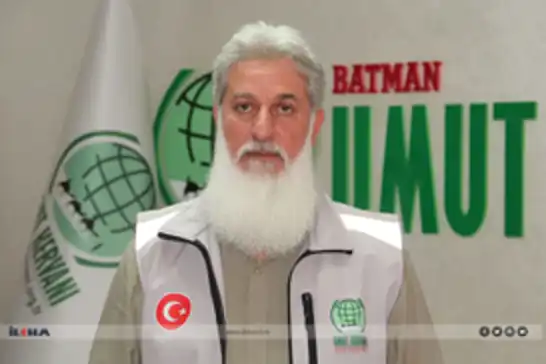
Humanitarian aid is no longer only about delivering food or medical assistance but also about safeguarding people's right to live with dignity, Nurettin Teymur, chairman of the Batman branch of Hope Caravan (Umut Kervanı), said on World Humanitarian Day.