Humanitarian aid is about protecting human dignity, Hope Caravan official says
 13 oC
13 oC 
Güneşli

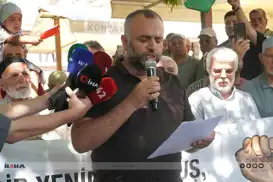
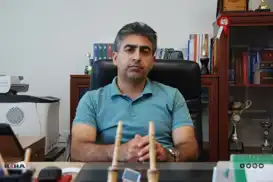
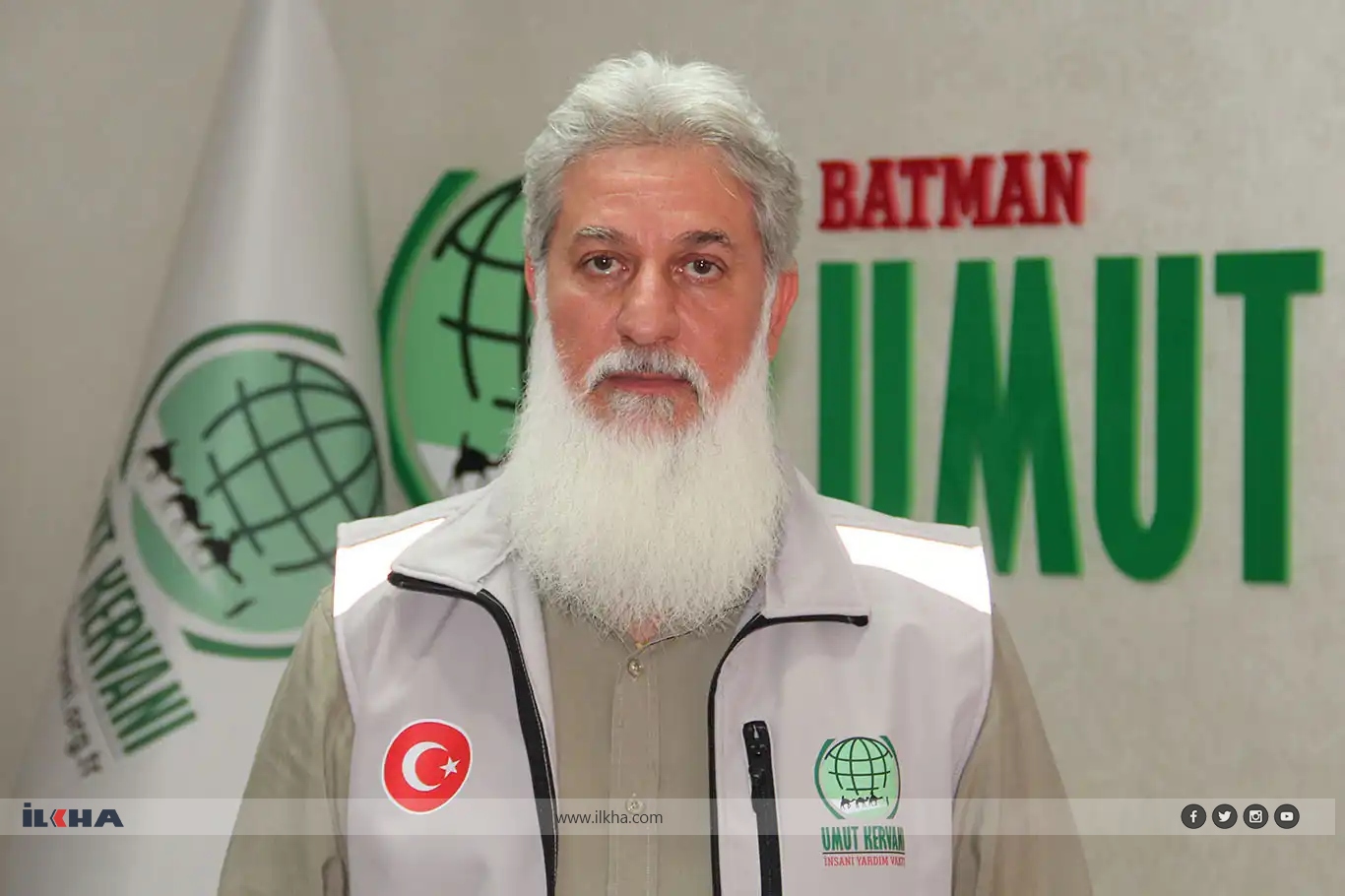
Humanitarian aid is no longer only about delivering food or medical assistance but also about safeguarding people's right to live with dignity, Nurettin Teymur, chairman of the Batman branch of Hope Caravan (Umut Kervanı), said on World Humanitarian Day.
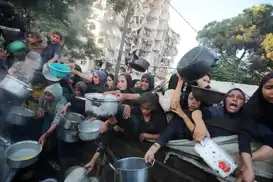
Assessing the humanitarian situation in global crisis zones, Teymur pointed to the worsening conditions in Gaza, Sudan, Yemen, Syria, Afghanistan, Lebanon and Iran, where war, hunger, forced displacement and limited access to healthcare continue to affect millions of people.
Speaking to ILKHA, Teymur said humanitarian crises have continued to deepen across many parts of the world.
"Today, humanitarian crises are unfortunately deepening in many regions of the world. In Gaza, Sudan, Yemen, Syria, Afghanistan, Lebanon, Iran and elsewhere, war, hunger, forced displacement and limited access to healthcare continue to affect millions of people. According to United Nations data, hundreds of millions of people around the world are expected to need humanitarian assistance in 2026," he said.
Teymur stressed that recent developments, particularly in Gaza and Sudan, have demonstrated that humanitarian assistance extends far beyond emergency relief.
"What is happening in Gaza and Sudan shows us that humanitarian aid is no longer only a matter of food or healthcare. It is about protecting people's right to life, shelter, security and a dignified existence. The international community must respond to these crises more quickly, fairly and consistently," he said.
Hope Caravan expands long-term humanitarian projects
Teymur said Islamic humanitarian organizations have played an important role in responding to conflicts, natural disasters and humanitarian emergencies through volunteer networks and charitable initiatives.
"Islamic civil society organizations carry out important work in many parts of the world thanks to their volunteer networks and culture of charity. As Hope Caravan, we strive to reach people in need not only across Türkiye but also in Africa, Gaza and other regions," he said.
He added that the organization's activities extend well beyond emergency food assistance.
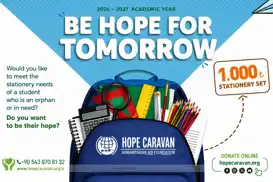
"Our work is not limited to food aid. We also implement orphan sponsorship programs, healthcare, education, housing assistance, clean water projects and sustainable development initiatives designed to improve people's lives," he said.
Conflict zones remain the biggest challenge
Teymur said insecurity continues to hinder humanitarian operations in many crisis areas.
"One of the greatest challenges humanitarian organizations face is ongoing conflict and security risks. Restricted border crossings, damaged infrastructure, unsafe routes and delays in delivering aid make it difficult to reach people in need," he said.
He also called for greater protection of humanitarian workers.
"It is unacceptable that humanitarian workers themselves become targets. Humanitarian assistance must remain outside political calculations, and aid personnel must be protected under international humanitarian law," he said.
Emergency relief must be combined with sustainable solutions
While emergency assistance saves lives, Teymur said humanitarian organizations should also invest in projects that help communities become self-reliant.
"Emergency aid saves lives, but preventing people from remaining dependent on assistance is equally important. Alongside providing immediate relief, we must establish systems that enable people to stand on their own feet. Education, vocational training, healthcare infrastructure, clean water, agriculture, housing and small-scale production projects are essential. Hope Caravan's water wells, orphan support, health and education initiatives reflect this long-term approach," he said.
'Kindness is a shared responsibility'
Teymur emphasized that humanitarian awareness should become a lasting social value rather than something remembered only during major crises.
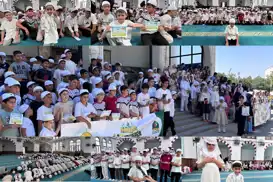
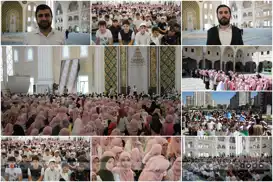
"The culture of giving, volunteerism, sharing and respect for human dignity should be strengthened across every segment of society, from children to young people," he said.
He also stressed the importance of strengthening civil society organizations and expanding cooperation with public institutions.
"The institutional capacity of NGOs should be enhanced, volunteers should receive professional training, and cooperation between public institutions and civil society should be strengthened. At Hope Caravan, everything we do is built on volunteerism because we believe that kindness is not the responsibility of a few people—it is the shared responsibility of society," he said.(ILKHA)
LEGAL WARNING: All rights of the published news, photos and videos are reserved by İlke Haber Ajansı Basın Yayın San. Trade A.Ş. Under no circumstances can all or part of the news, photos and videos be used without a written contract or subscription.
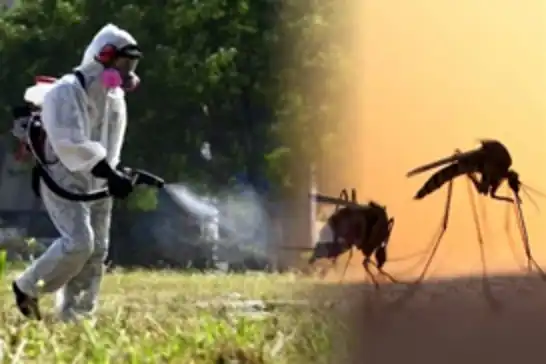
Greek health authorities have stepped up surveillance over the spread of West Nile virus, warning that the country could face one of the most challenging transmission periods of recent years as mosquito activity intensifies during the summer.
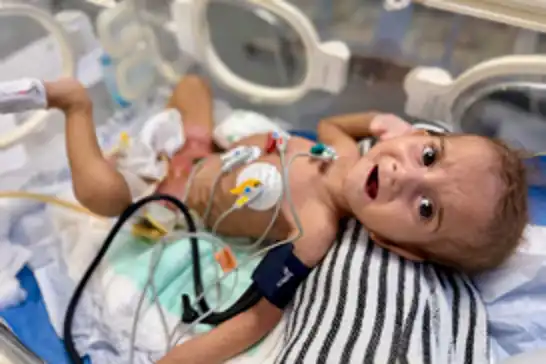
Thousands of people in Gaza face an increasing risk of death and severe illness as restrictions on the entry of engine oil and spare parts continue to undermine hospitals, ambulances, water systems and other essential services, Médecins Sans Frontières (MSF) has warned.
A rare inherited heart condition known as Bundgaard syndrome has been diagnosed for the first time in Türkiye, becoming the 68th reported case worldwide, according to medical experts.