Greece braces for West Nile virus surge as peak season approaches
 13 oC
13 oC 
Güneşli

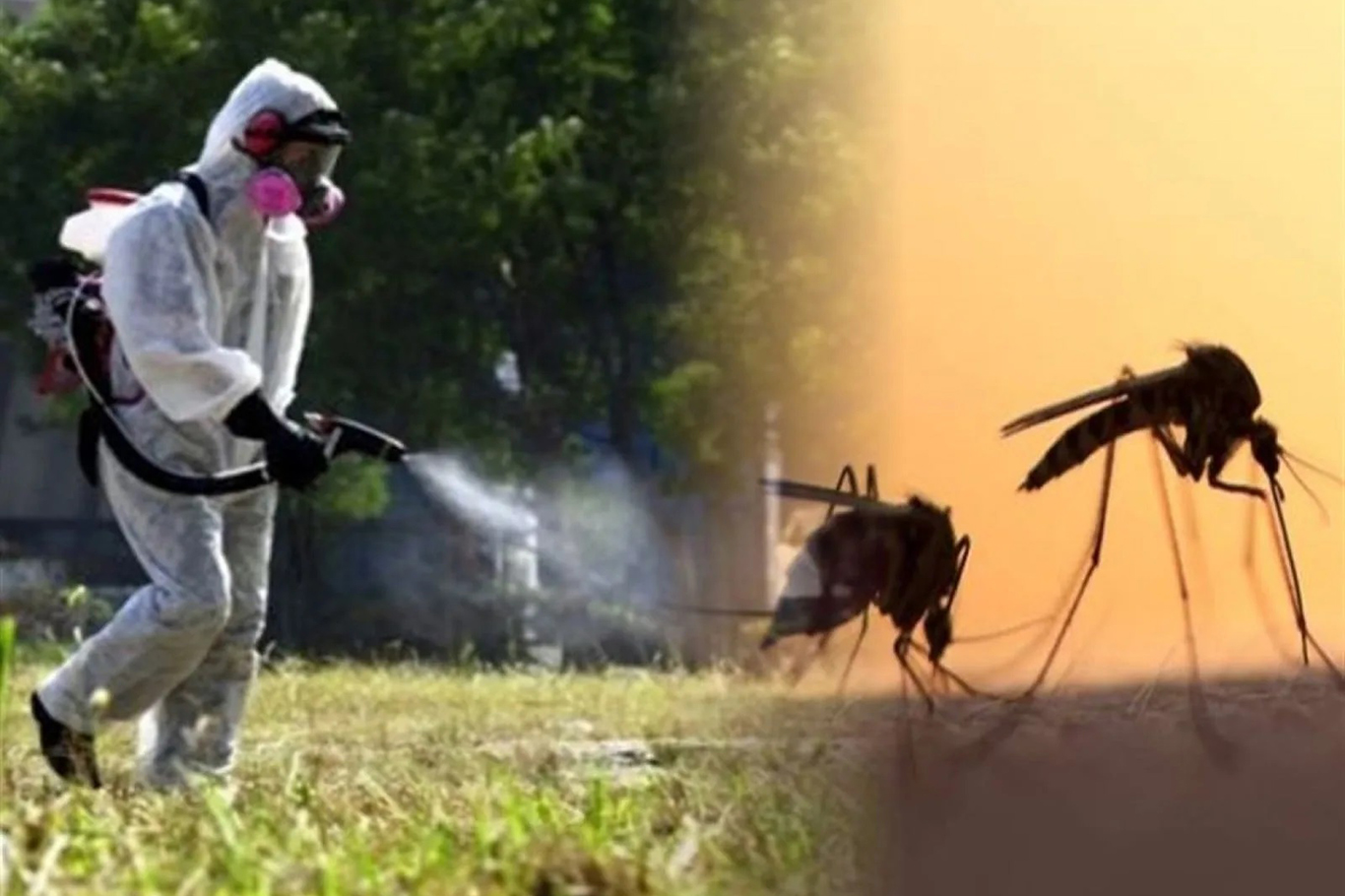
Greek health authorities have stepped up surveillance over the spread of West Nile virus, warning that the country could face one of the most challenging transmission periods of recent years as mosquito activity intensifies during the summer.
The National Public Health Organization (EODY) is closely monitoring the epidemiological situation, particularly in the Attica region, where infections emerged earlier than usual this season and increased rapidly during July.
Health experts are urging the public to remain vigilant, noting that West Nile virus transmission in Greece has historically reached its highest levels between mid-August and early September.
According to EODY data, Greece had recorded 42 locally acquired West Nile virus cases by July 29, including 35 cases in Attica, five in Thessaly and two in Central Macedonia.
The infections reported in Attica were spread across several areas, including East Attica, northern, southern and central Athens, and West Attica.
Authorities are continuing to publish weekly surveillance reports as the mosquito season progresses, while monitoring whether infections will accelerate during August and September.
EODY has warned that the epidemiological situation could deteriorate further before the end of the summer, with the coming weeks considered particularly important for assessing the scale of transmission.
The first confirmed West Nile virus case of the 2026 season was reported in July and involved a person aged over 60 who developed meningoencephalitis, a serious neurological complication associated with the infection.
The most likely location of exposure was identified as Agia Paraskevi in northern Athens.
EODY subsequently warned of intense West Nile virus circulation in Attica and called on residents to take consistent measures to protect themselves from mosquito bites.
West Nile virus is primarily transmitted through the bite of an infected mosquito. Mosquitoes generally acquire the virus after feeding on infected birds, which serve as the main natural reservoir of the virus.
Humans and other mammals can become infected after being bitten by infected mosquitoes. The virus is not normally transmitted directly between people through ordinary social contact.
Most people infected with West Nile virus develop no symptoms. When symptoms occur, they can include fever, headache, fatigue, muscle aches and skin rash.
In a small proportion of cases, however, the infection can cause severe neurological disease, including encephalitis and meningitis. Older adults and people with certain underlying health conditions are at greater risk of developing serious illness.
With mosquito activity expected to remain high during the coming weeks, Greek health authorities are urging residents and visitors to take preventive measures.
Recommended precautions include using mosquito repellent, wearing long sleeves and trousers when possible, installing screens on windows and doors, and eliminating standing water around homes, balconies and gardens where mosquitoes can breed.
People are also advised to exercise particular caution during the evening and early morning, when many mosquito species are most active.
As August traditionally represents one of the most active periods for West Nile virus transmission in Greece, EODY is maintaining heightened surveillance, particularly in Attica, and warning that the country could continue to face significant transmission through September. (ILKHA)
LEGAL WARNING: All rights of the published news, photos and videos are reserved by İlke Haber Ajansı Basın Yayın San. Trade A.Ş. Under no circumstances can all or part of the news, photos and videos be used without a written contract or subscription.
Humanitarian aid is no longer only about delivering food or medical assistance but also about safeguarding people's right to live with dignity, Nurettin Teymur, chairman of the Batman branch of Hope Caravan (Umut Kervanı), said on World Humanitarian Day.
Thousands of people in Gaza face an increasing risk of death and severe illness as restrictions on the entry of engine oil and spare parts continue to undermine hospitals, ambulances, water systems and other essential services, Médecins Sans Frontières (MSF) has warned.
A rare inherited heart condition known as Bundgaard syndrome has been diagnosed for the first time in Türkiye, becoming the 68th reported case worldwide, according to medical experts.