Nigeria records 17 new Lassa fever cases as death toll climbs to 185
 13 oC
13 oC 
Güneşli

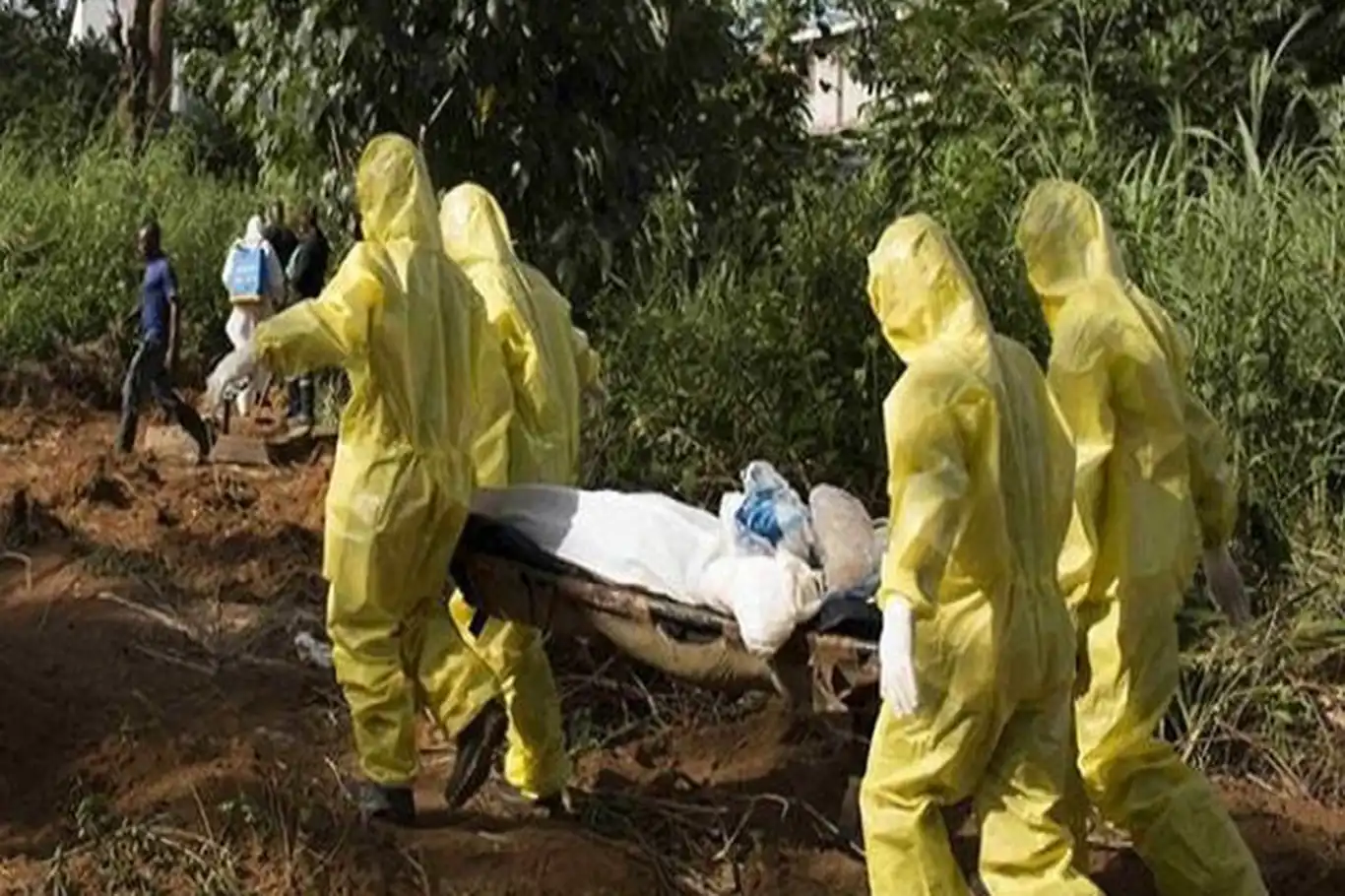
Nigeria has confirmed 17 new cases of Lassa fever across four states, according to the latest epidemiological report released by the Nigeria Centre for Disease Control and Prevention (NCDC) for Week 47 (November 17–23, 2025).
The new figure marks a slight reduction from the 19 cases recorded in the previous week, but health officials caution that the outbreak remains severe.
The fresh infections were reported from Edo, Bauchi, Ondo, and Taraba—states that continue to bear the highest burden of the viral disease. These states have consistently remained hotspots due to environmental factors, persistent rodent exposure, and gaps in surveillance, according to public health experts.
As of Week 47, Nigeria has recorded 1,012 confirmed cases of Lassa fever and 185 deaths, translating to a Case Fatality Rate (CFR) of 18.3%. This marks a troubling increase compared to the 16.4% CFR recorded during the same period in 2024, suggesting that while overall transmission has slightly decreased, the severity and deadliness of cases have worsened.
The NCDC also reported that 21 states and 102 local government areas have logged at least one confirmed case in 2025, underscoring the widespread nature of the outbreak.
Public health authorities warn that the dry season—typically associated with higher Lassa fever transmission—may further strain healthcare systems. They have urged the public to maintain strict hygiene practices, ensure proper food storage, and minimize exposure to rodents, which are the primary carriers of the virus.
The NCDC says it is continuing surveillance, supporting state response teams, and enhancing laboratory capacity as the country works to curb the spread of the deadly disease. (ILKHA)
LEGAL WARNING: All rights of the published news, photos and videos are reserved by İlke Haber Ajansı Basın Yayın San. Trade A.Ş. Under no circumstances can all or part of the news, photos and videos be used without a written contract or subscription.

New tools, including dual-ingredient insecticide nets and WHO-recommended vaccines, helped prevent an estimated 170 million malaria cases and 1 million deaths in 2024, according to the World Health Organization’s (WHO) annual World Malaria Report.

The World Health Organization (WHO) has issued updated recommendations on the use of glucagon-like peptide-1 (GLP-1) medicines for the treatment of obesity in adults, as the organization warns that obesity is reaching unprecedented levels worldwide.
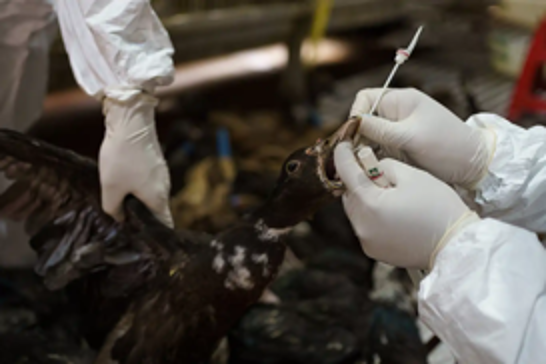
A leading French infectious disease expert has warned that the bird flu virus currently circulating among wild birds, poultry, and mammals could spark a pandemic even more severe than COVID-19 if it evolves to spread between humans.