WHO sounds alarm over rapidly expanding Ebola outbreak in DR Congo
 13 oC
13 oC 
Güneşli

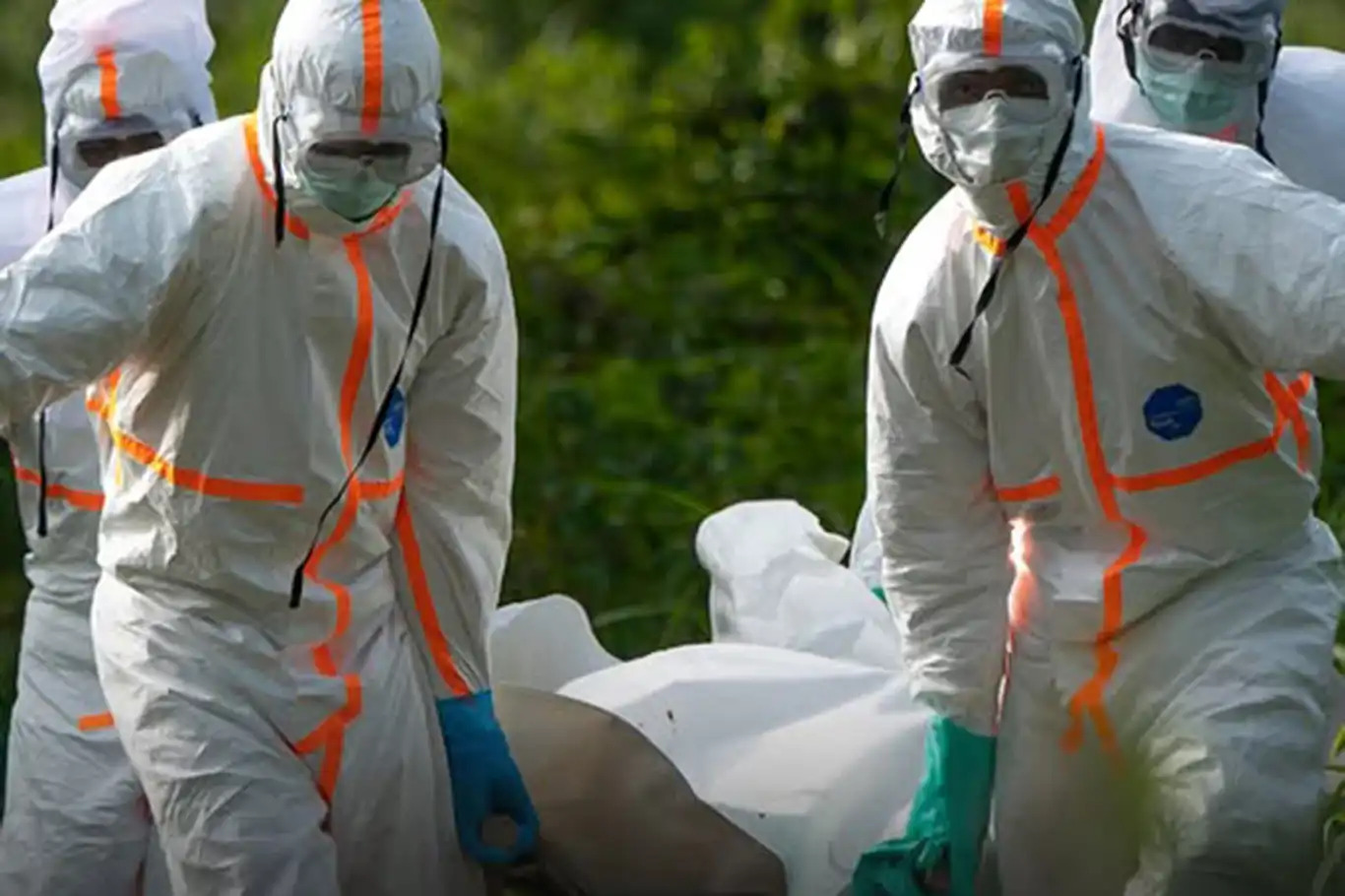
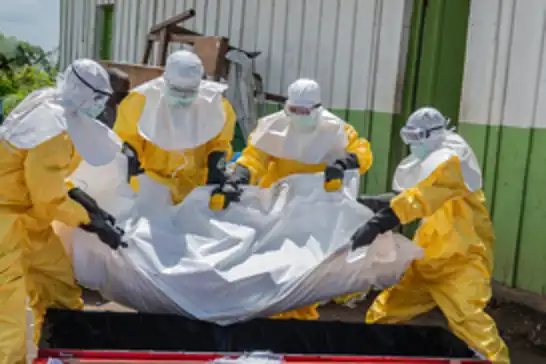
The World Health Organization (WHO) has warned that the ongoing outbreak of the Bundibugyo strain of Ebola in the Democratic Republic of the Congo (DRC) has reached record levels, with the majority of new infections now originating from unknown chains of transmission, raising concerns over the virus's accelerating spread.
Speaking in Geneva on Tuesday after returning from Bunia in eastern DRC's Ituri Province, the epicenter of the outbreak, Dr. Chikwe Ihekweazu, Executive Director of WHO's Health Emergencies Programme, described the situation as one of the most serious Ebola crises ever recorded.
According to WHO, the outbreak has resulted in nearly 2,000 confirmed infections and more than 700 deaths across five provinces as of 11 July, making it the third-largest Ebola outbreak in history.
"We've seen the fastest growth in a single month since the outbreak started," Dr. Ihekweazu said, noting that health authorities have recently recorded some of the highest daily infection numbers since the epidemic began, including more than 80 confirmed cases within a 24-hour period.
Unknown Transmission Chains Raise Alarm
WHO officials said the most troubling aspect of the outbreak is that around 80 percent of newly confirmed cases are not linked to known contacts, making it increasingly difficult for health workers to trace infections and contain the spread.
Many of the latest fatalities occurred in communities where patients died before reaching healthcare facilities or receiving medical treatment.
"This is the most alarming finding," Dr. Ihekweazu said, warning that undetected transmission is allowing the virus to spread beyond the reach of existing surveillance systems.
Although the outbreak was officially declared just two months ago, WHO modelling suggests the true number of infections could be two to four times higher than currently reported.
Comparing the epidemic to a rapidly expanding wildfire, Dr. Ihekweazu said, "You have to imagine that this is a fire. There's something driving the fire in its heart, and it's also expanding at the same time."
Virus Spreads Beyond Original Epicenter
While approximately 95 percent of confirmed cases remain concentrated in Ituri Province, where the outbreak began, WHO confirmed that the virus has now spread into the neighboring provinces of Haut-Uele and Tshopo, increasing concerns that the epidemic could expand further.
Health authorities are pursuing a dual strategy aimed at intensifying response efforts in the outbreak's epicenter while simultaneously identifying major travel routes and regions at risk of new infections.
No Approved Treatment Yet
WHO officials noted that although several experimental therapies are currently undergoing clinical trials, no approved treatment exists specifically for the Bundibugyo strain of Ebola.
However, early diagnosis and supportive medical care significantly improve patients' chances of survival.
"We must find the cases earlier, bring them into care as soon as possible," Dr. Ihekweazu stressed, emphasizing that rapid detection remains the most effective tool for reducing community transmission.
Community Trust Critical to Response
The WHO also highlighted challenges posed by attacks on healthcare workers and medical facilities during previous Ebola outbreaks.
Dr. Ihekweazu said building trust within affected communities remains essential to preventing violence and encouraging infected individuals to seek treatment.
He explained that local community leaders are invited to inspect treatment centers before they begin operating to improve transparency and reassure residents that patients will receive medical care, food, and access to family members.
WHO Calls for Stronger International Support
Dr. Ihekweazu urged the international community not to lose focus despite the growing scale of the outbreak, warning that sustained global engagement is essential to preventing a wider health emergency.
"Now is not the time to drop the ball," he said.
He emphasized that investing in outbreak control benefits not only the Democratic Republic of the Congo but global public health as well.
"We need the world to come together—not just out of charity or support for the DRC, but in our own enlightened best interest. The more we do right now, the better placed we will be in the future," he said.
WHO also noted that member states are currently negotiating the Pathogen Access and Benefit Sharing (PABS) annex under the proposed WHO Pandemic Agreement, which aims to improve the rapid sharing of pathogen data and ensure equitable access to vaccines, diagnostics, and treatments during future global health emergencies. (ILKHA)
LEGAL WARNING: All rights of the published news, photos and videos are reserved by İlke Haber Ajansı Basın Yayın San. Trade A.Ş. Under no circumstances can all or part of the news, photos and videos be used without a written contract or subscription.
France has reported the first documented case of human infection with the Shamonda virus, which has previously been detected only in animals, the World Health Organization (WHO) said Thursday.
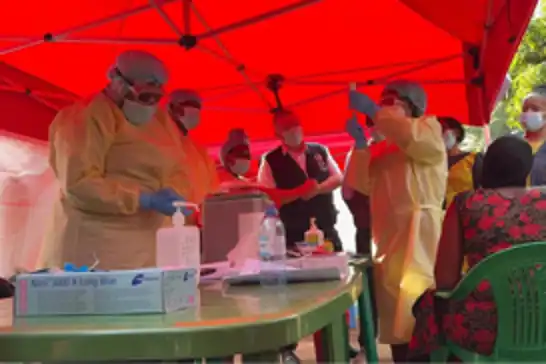
The World Health Organization (WHO) on Thursday warned that the ongoing Ebola outbreak has become a regional public health concern, urging African countries to strengthen coordination as infections spread across Central, Eastern and Western Africa.
Türkiye's Directorate of Religious Affairs (Diyanet) dedicated this week's Friday sermon to Gaza, describing the ongoing genocide as "humanity's test" and calling on Muslims to stand with the Palestinian people through solidarity, remembrance and a principled boycott against oppression.
A candidate vaccine against the deadly Bundibugyo strain of Ebola has entered a new phase of clinical testing in Uganda, as health authorities accelerate efforts to develop effective vaccines against a virus that has caused one of the largest and fastest-growing Ebola outbreaks ever recorded in the Democratic Republic of the Congo (DRC).