WHO warns of sharp rise in meningitis cases among children in blockaded Gaza
 13 oC

Güneşli

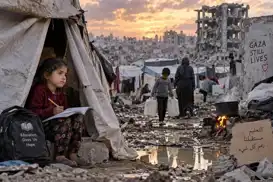
Meningitis cases are rising rapidly among children in the Gaza Strip amid deteriorating living conditions, damaged water and sewage networks, and mounting waste and wastewater in residential neighborhoods and displacement camps, the World Health Organization (WHO) warned on Friday.
The warning comes as Palestinians continue to endure a deepening humanitarian catastrophe following Israel's devastating military assault, destruction of civilian infrastructure and restrictions on the entry of essential humanitarian and medical supplies.
In a statement, the WHO said meningitis cases had increased sharply since mid-October, raising concerns about the spread of potentially life-threatening infections, particularly among infants and young children living in overcrowded displacement shelters.
The organization warned that Gaza's severely limited laboratory testing capacity has made it difficult to distinguish between viral and bacterial meningitis, complicating efforts to assess the scale of the outbreak and coordinate an effective response.
It added that essential laboratory equipment and supplies needed to detect and respond to the outbreak remain barred from entering the besieged territory, while critical medical supplies continue to face shortages.
The WHO renewed its call for increased deliveries of medical and laboratory supplies to strengthen disease surveillance, improve diagnostic capacity and prevent further outbreaks.
Hundreds of suspected meningitis cases reported
A report by the United Nations Office for the Coordination of Humanitarian Affairs (OCHA) documented 294 suspected cases of viral meningitis and 119 suspected cases of bacterial meningitis between Sept. 27 and Oct. 31.
Gaza Governorate accounted for 68% of the reported cases, according to the report.
Of more than 200 individually reported cases by Nov. 5, approximately 77% involved infants under the age of one. Laboratory testing confirmed 10 cases of bacterial meningitis.
The figures highlight the particular vulnerability of infants and young children to infectious diseases amid Gaza's collapsing healthcare and sanitation systems.
Flooding compounds Gaza's humanitarian catastrophe
OCHA also reported that heavy rainfall between Nov. 6 and 8 damaged more than 40,000 shelters, affecting approximately 46,000 families, or around 226,000 people.
The rainfall also damaged 960 latrines, while flooding disrupted healthcare facilities and other essential service delivery points.
The destruction of water and sewage infrastructure, overcrowded displacement camps and accumulation of untreated wastewater have created increasingly dangerous conditions for disease transmission.
For Palestinians already struggling with inadequate shelter, limited access to clean water and shortages of essential medicines, the growing spread of infectious diseases represents another serious threat to survival.
The WHO's warning underscores the urgent need to lift restrictions on humanitarian and medical supplies, restore essential water and sanitation services, and ensure that Gaza's vulnerable population, particularly children and infants, receives adequate healthcare and protection. (ILKHA)
LEGAL WARNING: All rights of the published news, photos and videos are reserved by İlke Haber Ajansı Basın Yayın San. Trade A.Ş. Under no circumstances can all or part of the news, photos and videos be used without a written contract or subscription.

Gaza's Health Ministry has warned of a worsening healthcare crisis after medical fabrics and clothing supplies were completely depleted across its warehouses, hospitals and healthcare facilities.

The World Health Organization (WHO) has warned that major gaps in diagnosis, treatment and funding continue to put patients at risk from antimicrobial resistance (AMR), despite a growing number of countries adopting national action plans to tackle the threat.
A child health and diseases specialist stated that 12 per cent of babies in Türkiye are born prematurely, emphasizing that delivery at the right medical center, timely intervention and regular follow-up are crucial for premature infants.