COP31 climate talks collapse without agreement over fossil fuels
 13 oC

Güneşli

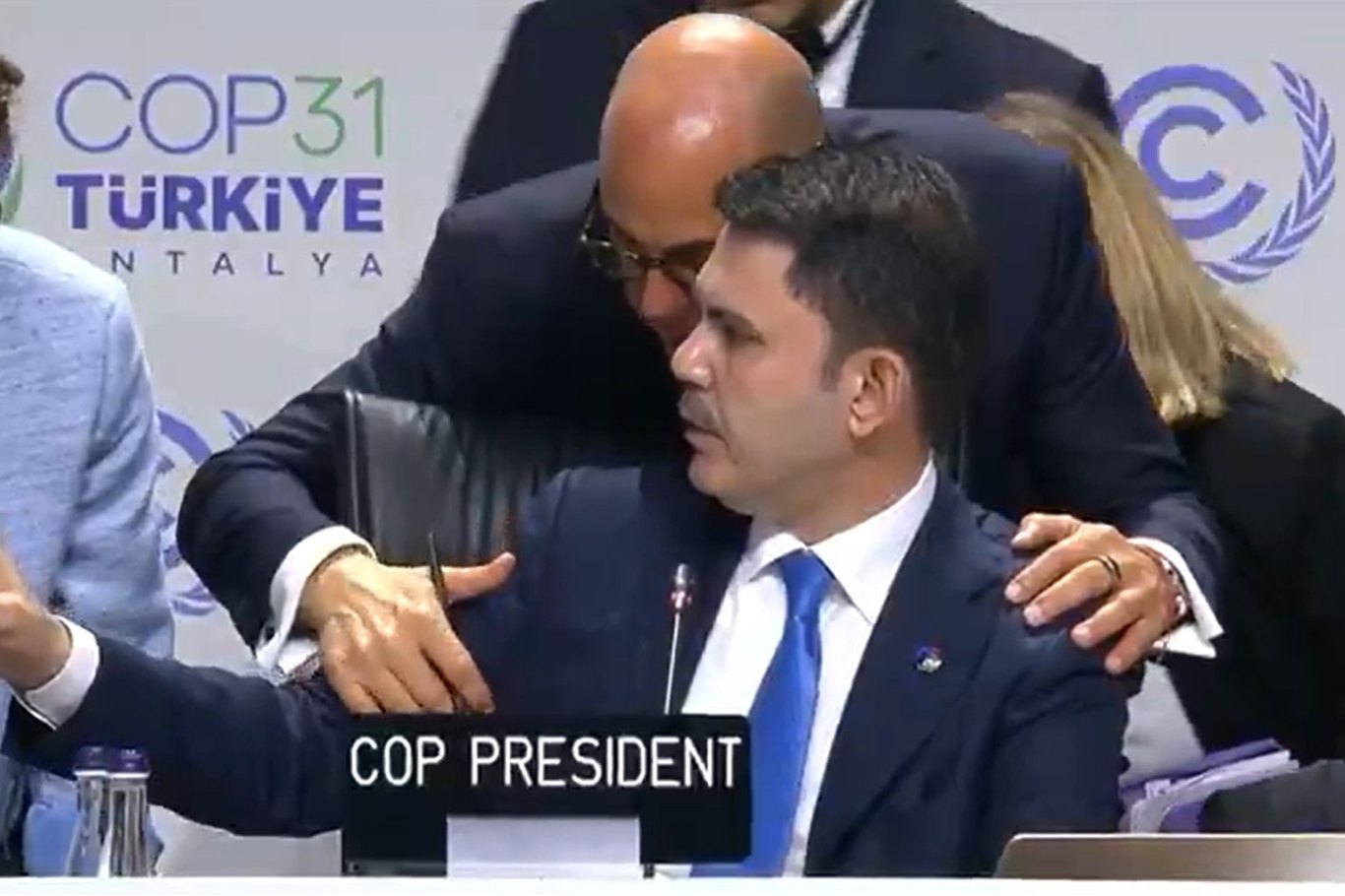
The COP31 climate summit in Antalya, Türkiye, ended without a consensus deal on Sunday after the European Union and several countries rejected the final proposal for failing to include any reference to fossil fuels.
The 31st United Nations Climate Change Conference (COP31) concluded without an agreement after deep divisions over the future of fossil fuels prevented countries from reaching consensus on a final declaration.
COP31 President and Turkish Environment Minister Murat Kurum acknowledged the failure to secure agreement during the closing plenary session in Antalya.
"I understand that there is no agreement on this text. For that reason, these decisions have not been adopted," Kurum told delegates.
The European Union and several other countries objected to the latest draft, arguing that its failure to address fossil fuels undermined efforts to tackle the primary drivers of climate change.
Irish Climate and Energy Minister Darragh O'Brien, whose country holds the rotating EU presidency, said the bloc would not support a final declaration that omitted any reference to fossil fuels.
"The EU will not endorse a cover decision, or an Antalya Pact, that does not even mention fossil fuels, which is the key driver of climate change," O'Brien said.
He added that the EU and its member states objected to the draft because it "does not meet the moment."
A revised draft agreement had been released early Sunday following days of disagreements over fossil fuels, which emerged as the main point of contention during the prolonged negotiations.
An earlier version of the proposed agreement had called for an accelerated phaseout of fossil fuels. However, a subsequent draft published on Thursday removed all references to the energy sources, prompting criticism from countries pushing for stronger commitments.
On Friday, a group of countries, including France and Panama, issued a letter demanding that any final agreement include "a clear transition away from fossil fuels."
United Nations Secretary-General António Guterres expressed deep disappointment over the failure to reach consensus, warning that the interests of fossil fuel industries must not undermine global climate action.
"I share the very profound frustration of all those who expected governments to rise to the moment the climate crisis demands," Guterres said in a statement.
"Those who profit from the destruction of our planet must never dictate the terms of the fight to save it. Fossil fuels are driving the climate crisis," he added.
Australian Climate Minister Chris Bowen, who led the negotiations, also described the outcome as deeply disappointing.
"Unfortunately, we were unable to reach agreement on a cover decision... And that's disappointing. Very disappointing," Bowen said.
The breakdown came after negotiations extended two days beyond their scheduled conclusion, making COP31 the longest-ever United Nations climate conference.
The failure to adopt a final agreement highlighted persistent divisions among participating countries over how explicitly the international community should commit to moving away from fossil fuels, despite mounting pressure for stronger action to address the climate crisis. (ILKHA)
LEGAL WARNING: All rights of the published news, photos and videos are reserved by İlke Haber Ajansı Basın Yayın San. Trade A.Ş. Under no circumstances can all or part of the news, photos and videos be used without a written contract or subscription.
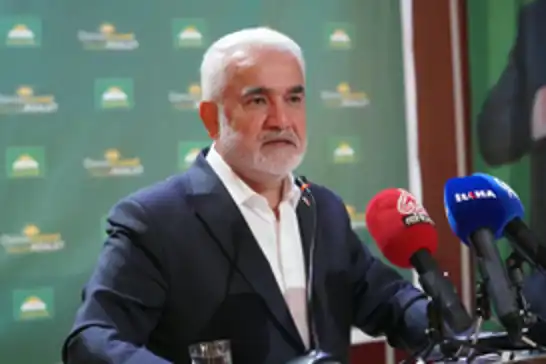
HÜDA PAR General President Zekeriya Yapıcıoğlu has called on Islamic countries and the international community to break Israel’s blockade of Gaza by sending humanitarian aid ships under naval protection.
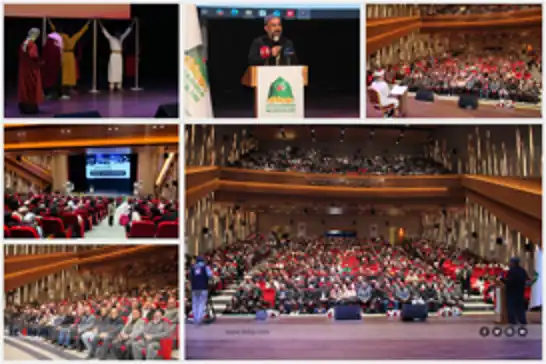
The Prophet Lovers Foundation in Batman organized a special program highlighting the exemplary lives of two prominent Companions of Prophet Muhammad (peace and blessings be upon him), Khalid ibn al-Walid and Hafsa bint Umar (may Allah be pleased with them), as part of its annual November activities.
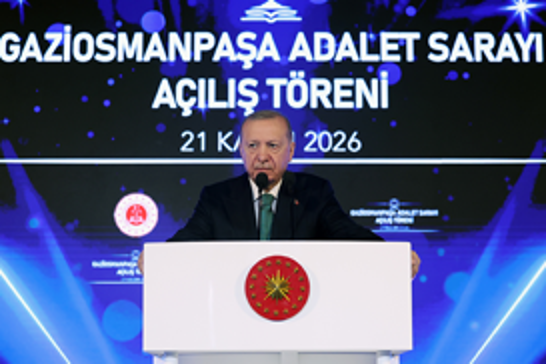
Turkish President Recep Tayyip Erdoğan said justice was the fundamental pillar of strong societies and states, stressing that no political or social system could endure without placing justice at its core.