MAZLUMDER condemns attempts to criminalise Sayyid Qutb's books in Türkiye
 13 oC

Güneşli

The Human Rights and Solidarity Association for the Oppressed (MAZLUMDER) has strongly condemned judicial and law enforcement practices involving the confiscation and investigation of books by prominent Egyptian Islamic thinker Sayyid Qutb, describing them as violations of freedom of thought and expression.
In a statement titled “The Judiciary and Law Enforcement, Having Lost Their Way, Must Return to the Path Indicated by the Law”, the organisation criticised what it described as increasingly arbitrary practices in criminal investigations, particularly those involving political cases and criticism of judicial or government authorities.
MAZLUMDER said legal safeguards, including the presumption of innocence, protection against being publicly stigmatised and the confidentiality of investigations, were not being applied equally to all citizens.
It argued that the judiciary was increasingly being used as an instrument of pressure against people and institutions holding dissenting views.
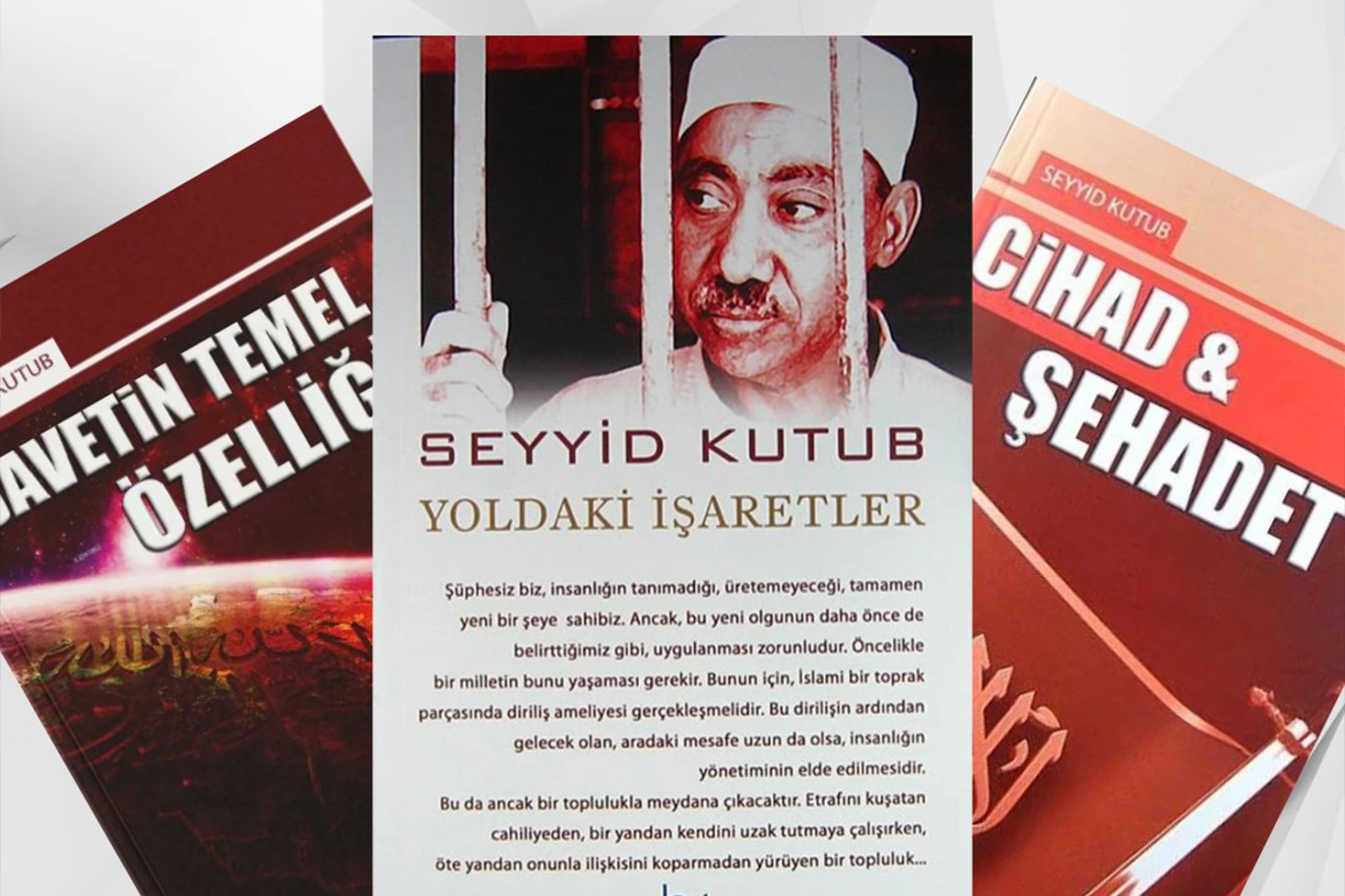
The organisation drew particular attention to investigations in Ankara and Mersin, in which several works by Sayyid Qutb — Milestones (Yoldaki İşaretler), Jihad and Martyrdom and The Basic Characteristics of the Islamic Da'wah — were reportedly treated as criminal evidence.
According to MAZLUMDER, suspects were questioned about where and when they had obtained the books, why they had acquired them and what subjects were covered in their contents.
The organisation said the works had been published repeatedly by various publishing houses in Türkiye for nearly 70 years, had been studied academically and had reached a wide readership.
It described treating such publications as evidence of criminal activity as a clear violation of freedom of thought and expression.
The controversy intensified after a nationwide ban and confiscation order was issued against Qutb's Milestones and other works.
Following public criticism, the Antalya Chief Public Prosecutor's Office sought the removal of the restrictions on Milestones. The Antalya 5th Criminal Judgeship subsequently lifted the book's printing, distribution and confiscation restrictions on October 16, 2026.
The review highlighted a chronological inconsistency in allegations linking the book to the Islamic State (ISIS): Qutb was executed in 1966, while ISIS emerged decades later, in 2013.
However, MAZLUMDER stressed that the lifting of the restriction on Milestones did not erase the fact that books by the Egyptian thinker had previously been subjected to bans and confiscation orders or that people had been questioned over possessing them.
The organisation also pointed to decisions involving the Antalya and Adana criminal peace judgeships, saying the treatment of Qutb's works reflected a broader problem in the handling of religious and intellectual literature.
MAZLUMDER strongly rejected the criminalisation of Islamic concepts and terminology, warning against the revival of book confiscations and bans reminiscent of Türkiye's military intervention periods.
It specifically criticised the criminalisation of Qur'anic concepts such as jihad, tawhid and infaq through ideological prejudice, ignorance or malicious intent.
“Ideas cannot be eliminated through bans, censorship or confiscation orders,” the organisation said, adding that the judiciary must not become a mechanism of censorship that dictates what society can and cannot read.
It also recalled previous cases in which religious books were displayed as organisational propaganda materials during counterterrorism operations, arguing that Islamic literature had repeatedly been treated with suspicion.
Concluding its statement, MAZLUMDER condemned law enforcement and judicial practices that it said targeted freedom of thought and reflected the restrictive mentality of past military intervention periods.
The organisation called for training measures to improve the intellectual capacity of judicial and law enforcement personnel and strengthen their understanding of freedom of expression.
It also urged judicial and administrative authorities to end arbitrary practices that restrict freedom of thought and expression and to act in accordance with the law.
MAZLUMDER stressed that protecting fundamental rights requires equal application of legal safeguards, regardless of a person's political views, religious convictions or intellectual affiliations. (ILKHA)
LEGAL WARNING: All rights of the published news, photos and videos are reserved by İlke Haber Ajansı Basın Yayın San. Trade A.Ş. Under no circumstances can all or part of the news, photos and videos be used without a written contract or subscription.

The three-day ECTC 2026 conference brings together international experts to discuss protecting children from nicotine addiction amid the growing popularity of e-cigarettes and other emerging products.

HÜDA PAR's Şahzade Demir says Turkish politics must abandon personal interests and return to honesty, justice and public service, calling for legislation to hold politicians accountable for unethical conduct.

Türkiye has rejected the European Commission's 2026 report on the country, accusing the European Union of maintaining a prejudiced and unfair approach towards Ankara and applying double standards in its assessments.