Türkiye commemorates victims of 1999 Marmara earthquake on 27th anniversary
 13 oC
13 oC 
Güneşli

Türkiye on Monday commemorated the victims of the devastating 1999 Marmara earthquake, with ceremonies held across the country’s northwestern Marmara Region to mark the 27th anniversary of one of the deadliest natural disasters in the nation’s modern history.
The magnitude 7.4 earthquake struck at 3:02 a.m. on Aug. 17, 1999, with its epicenter in Kocaeli’s Gölcük district. Lasting approximately 45 seconds, the earthquake devastated large areas of Kocaeli, Sakarya, Yalova and Düzce and caused severe damage in parts of Istanbul.
Official figures put the death toll at 17,480, while tens of thousands of people were injured and hundreds of thousands were left without homes. The disaster also profoundly changed public awareness of earthquake preparedness and construction safety in Türkiye.
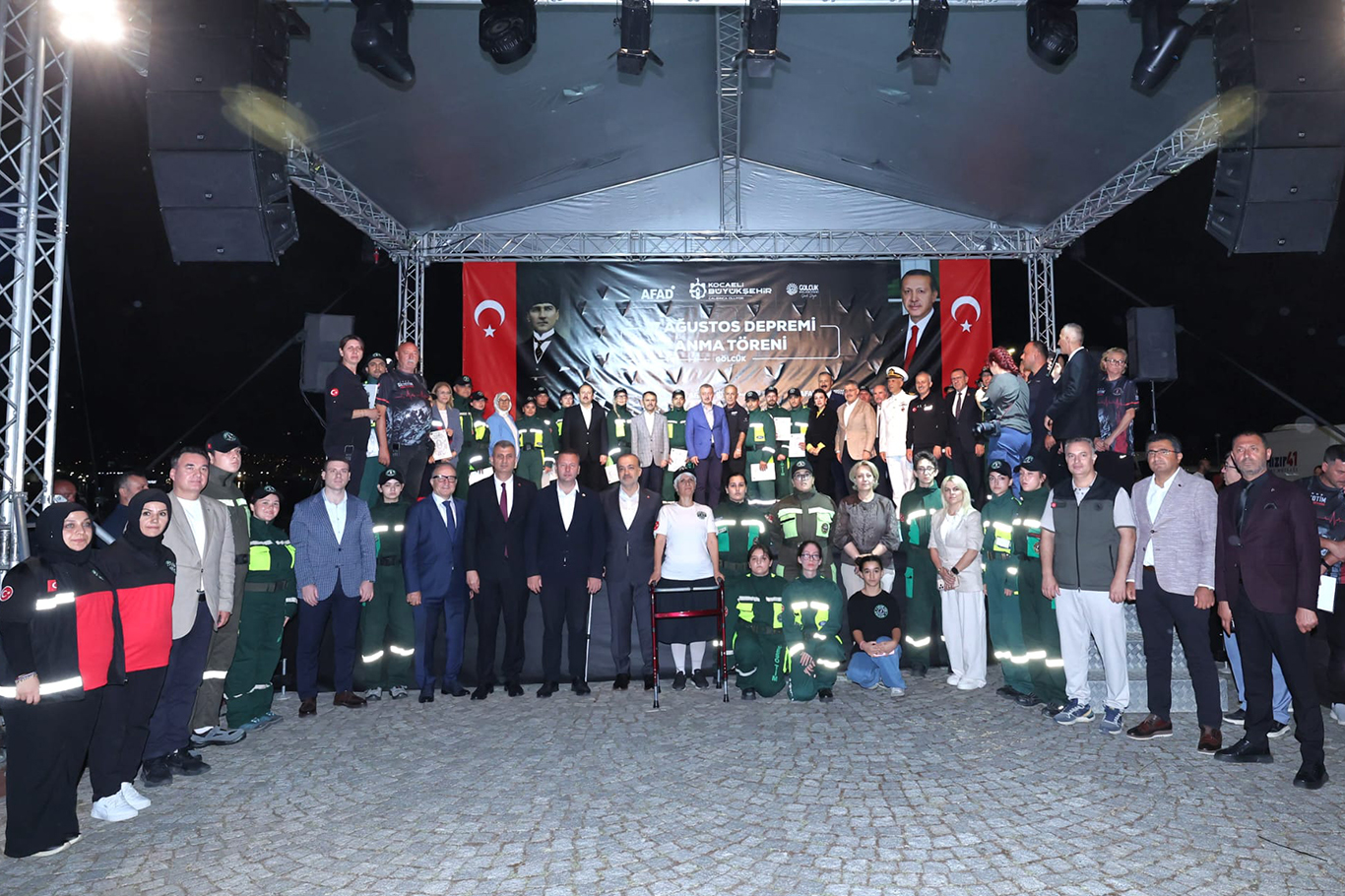
Memorial ceremonies were held across the affected provinces at 3:02 a.m., the exact time the earthquake struck 27 years ago.
In Gölcük, the earthquake’s epicenter, residents, officials and relatives of victims gathered at a memorial bearing the names of those who died. Wreaths were laid at the monument before participants observed a moment of silence.
Gölcük Mayor Ali Yıldırım Sezer told reporters that the pain caused by the disaster remains deeply felt despite the passage of 27 years.
In Istanbul’s Beylikdüzü district, commemorative events were held along Kavaklı Beach, an area that was partially submerged as a result of the earthquake. Videos documenting the destruction and the difficult days that followed the disaster were shown to visitors.
Similar ceremonies took place in Sakarya, where earthquake survivors and relatives of victims gathered to remember those who lost their lives.
In Yalova, where 2,504 people were killed, the commemorations began with a silent march through the city center before concluding at an earthquake memorial. Visitors also viewed photographs documenting the disaster in exhibition areas named after the earthquake’s exact time and duration — “03:02 a.m.” and “45 Seconds.”
The anniversary has once again highlighted Türkiye’s vulnerability to earthquakes. The country lies across several active fault systems, exposing numerous population centers to significant seismic risks.
The devastating Feb. 6, 2023 earthquakes in southern Türkiye further underscored the scale of that threat. The magnitude 7.7 and 7.6 earthquakes struck in rapid succession, killing more than 53,000 people in Türkiye and causing widespread destruction across 11 provinces.
Recent earthquakes in western Türkiye have continued to fuel concerns over seismic preparedness, particularly in and around Istanbul.
With a population of nearly 16 million and a substantial number of older buildings, Istanbul remains one of the areas most closely watched by earthquake experts and authorities. The possibility of a major earthquake in the Marmara Sea has prompted continuing discussions over urban transformation, building safety, emergency preparedness and the need to strengthen critical infrastructure.
For survivors and families of the victims, however, Aug. 17 remains more than a date on the calendar. Every year, the ceremonies at 3:02 a.m. serve as a solemn reminder of the 45 seconds that changed the lives of millions and left an enduring mark on Türkiye’s collective memory. (ILKHA)
LEGAL WARNING: All rights of the published news, photos and videos are reserved by İlke Haber Ajansı Basın Yayın San. Trade A.Ş. Under no circumstances can all or part of the news, photos and videos be used without a written contract or subscription.

Children gathered in Antalya for the “Life Is Beautiful With Prayer” initiative, a program organized to nurture a love of prayer among young people and emphasize the importance of worship in their daily lives.
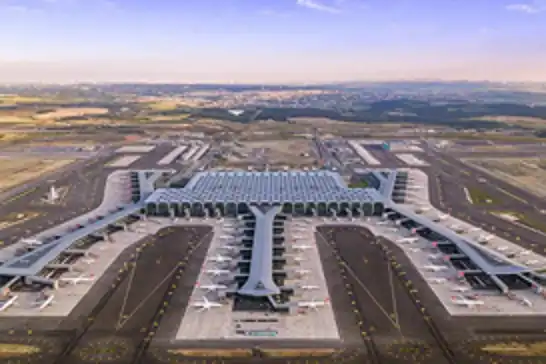
Istanbul Airport handled a record 290,287 passengers and 1,739 flights on Aug. 16, setting new all-time daily records for both passenger traffic and aircraft movements, Turkish authorities said.
Türkiye has expressed its condolences following earthquakes that struck Indonesia’s North Sumatra and Flores regions, causing loss of life and material damage.