Apple signals price hikes as AI-driven memory chip costs soar
 13 oC
13 oC 
Güneşli

Apple is preparing to raise the prices of its products as rising memory chip costs driven by artificial intelligence demand place mounting pressure on the global technology supply chain, the company’s chief executive has said.
Outgoing Apple CEO Tim Cook told the Wall Street Journal that price increases have become “unavoidable,” describing current memory chip conditions as “unsustainable.”
Cook did not specify when the price changes would take effect or which products would be affected. It remains unclear whether the expected iPhone 18 lineup, anticipated in September, will be impacted.
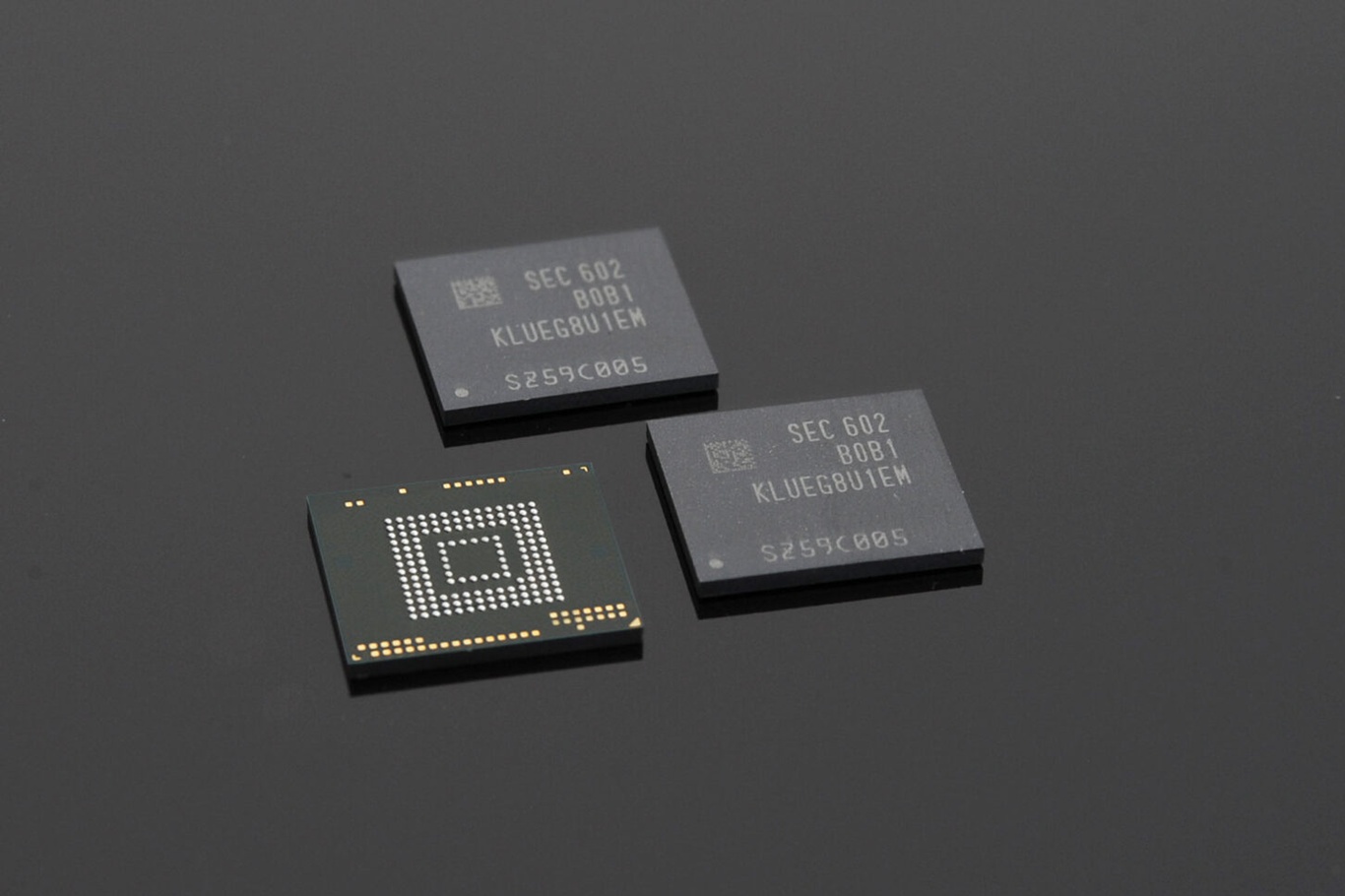
Memory chips, essential components in smartphones and other electronic devices, have seen sharp price increases in recent months as AI-driven demand strains global production capacity.
“We’re doing our best to mitigate the huge increases that are being passed to us, and we’ve been trying to shield our customers from the increases, but the situation has become unsustainable,” Cook said.
He added that supply constraints combined with rising demand have created significant market pressure. “There’s less supply at a time when consumers want devices and the memory guys are passing along huge price increases,” he said.
Cook, who is expected to step down later this year and be succeeded by John Ternus, emphasized that stabilizing memory pricing and supply is essential for the broader consumer electronics industry.
“We definitely need memory pricing and supply to return to reasonable levels for consumer products. That’s the bottom line,” he said.
AI Boom Drives Global Chip Price Surge
Industry analysts say the rapid expansion of artificial intelligence technologies has significantly increased demand for high-performance memory chips, contributing to global shortages and higher prices.
The price of RAM—traditionally one of the least expensive components in computing devices—has reportedly more than doubled since October 2025.
Additional pressures, including geopolitical tensions such as the war in Iran, have also disrupted supplies of key materials like helium, which is essential in semiconductor manufacturing.
Research firm Omdia estimates that the average global smartphone price could rise by around 20 percent in 2026, reaching record levels.
Wider Industry Facing Cost Pressures
Apple is not alone in facing rising production costs. Other major technology companies have also warned of price pressures across the semiconductor industry.
Taiwan Semiconductor Manufacturing Company (TSMC), one of the world’s leading chip producers, has indicated it cannot rule out future price increases. Samsung has also cautioned that memory shortages could make consumer electronics more expensive.
In the gaming sector, Sony recently raised the price of its PlayStation 5 consoles in multiple markets, citing ongoing global economic pressures. Nintendo has also announced planned price increases for its Switch 2 console.
Apple Already Adjusting Prices
Apple has already begun adjusting its pricing strategy in response to higher component costs. Earlier this year, the company increased the starting price of its Mac Mini lineup by approximately $200 after removing its entry-level model.
Despite rising costs, Apple has reported strong demand for its latest devices, with iPhone sales performing well in key markets such as China. The company recorded a 17 percent increase in device sales in the first quarter of 2026 compared with the same period last year.
Analysts say the combination of strong demand and rising input costs is pushing the global smartphone industry into a new pricing era, where sustained price increases may become the norm rather than a temporary adjustment. (ILKHA)
LEGAL WARNING: All rights of the published news, photos and videos are reserved by İlke Haber Ajansı Basın Yayın San. Trade A.Ş. Under no circumstances can all or part of the news, photos and videos be used without a written contract or subscription.

Social media has surpassed traditional media as the world's leading source of news for the first time, according to a major international study published by researchers at the University of Oxford.

A striking red crab spider that emits a vibrant blue glow under ultraviolet light is among dozens of previously unknown species uncovered during a groundbreaking scientific expedition to Angola's remote Lisima Plateau, a region long regarded as one of Africa's least explored biodiversity frontiers.

Türkiye has established a secure, domestically developed, and publicly accessible artificial intelligence ecosystem within the Presidency's Directorate of Communications, marking what officials describe as a pioneering model for the use of AI in public administration.