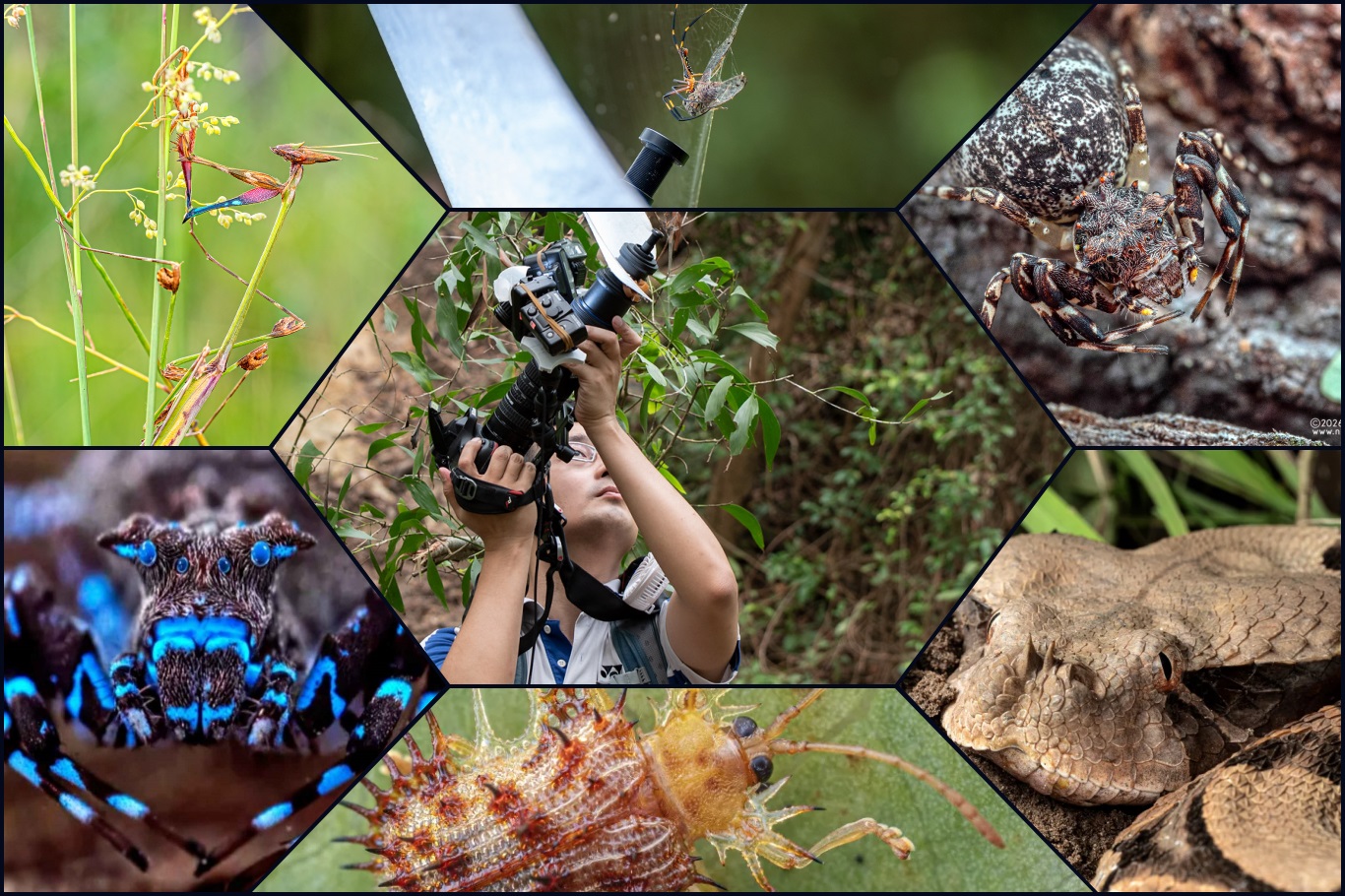
Vibrant blue-glowing crab spider among dozens of new species discovered in Angola
 13 oC
13 oC 
Güneşli

A striking red crab spider that emits a vibrant blue glow under ultraviolet light is among dozens of previously unknown species uncovered during a groundbreaking scientific expedition to Angola's remote Lisima Plateau, a region long regarded as one of Africa's least explored biodiversity frontiers.
The discoveries were made during a biodiversity survey conducted in February by conservation organization The Wilderness Project as part of its ambitious Cassai Life Atlas initiative. The expedition has shed new light on a critical ecosystem that had remained largely unmapped for decades due to its extreme isolation, the lingering threat of landmines, and the legacy of Angola's devastating 27-year civil war.
Scientists described the Lisima Plateau as one of "Africa's last great biodiversity blank spots," and the findings suggest the area harbors a remarkable wealth of life found nowhere else on Earth.
The survey team, consisting of 16 scientists from multiple disciplines, documented an extraordinary array of species, including eight dragonfly species believed to be new to science, three previously unknown grasshopper species, and around 60 moth and butterfly species that have yet to be formally described.
Researchers recorded a total of 103 dragonfly and damselfly species, more than 1,000 butterflies and moths, and 47 taxa of grasshoppers, katydids and crickets during the expedition. The discoveries significantly expand scientific understanding of the region's biodiversity.
According to The Wilderness Project, the total number of dragonfly and damselfly species known from the Lisima region has now risen to 163, with 34 species documented there for the first time. Of the 47 recorded grasshopper, katydid and cricket taxa, three are entirely new to science.
Beyond the excitement of discovering new species, scientists say the findings underscore the global ecological importance of the Lisima Plateau.
The elevated plateau serves as a crucial water source for four of Africa's largest river systems — the Congo, Okavango, Zambezi and Cuanza rivers. Freshwater originating from Lisima travels thousands of kilometers downstream, sustaining communities, wildlife and ecosystems across southern and central Africa.
Among the beneficiaries of this water network is the internationally renowned Okavango Delta, a UNESCO World Heritage Site that depends on the plateau's clean and reliable water flows.
The latest expedition builds upon a decade of baseline ecological research previously conducted by National Geographic scientists in the Okavango and Lungwebungu river systems.
Leading dragonfly specialist Dr. Klaas-Douwe B. Dijkstra, an associate of the Naturalis Biodiversity Center in the Netherlands, emphasized the exceptional environmental significance of the region.
"Lisima's sandy plateau releases some of the clearest and most reliable fresh water in Africa, which is reflected in the region's dragonflies and damselflies, with several highly specialized species found nowhere else," Dijkstra said.
Conservationists believe the discoveries highlight both how much remains unknown about Africa's wild landscapes and the urgent need to protect them.
As scientists continue to analyze specimens collected during the expedition, the Lisima Plateau is emerging not as an empty space on the map, but as a hidden reservoir of biodiversity whose secrets are only beginning to be revealed. (ILKHA)
LEGAL WARNING: All rights of the published news, photos and videos are reserved by İlke Haber Ajansı Basın Yayın San. Trade A.Ş. Under no circumstances can all or part of the news, photos and videos be used without a written contract or subscription.
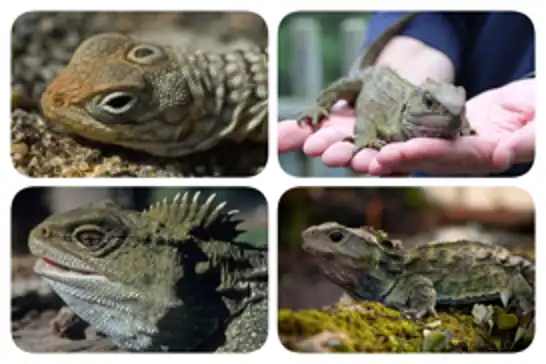
The tuatara, a rare reptile found only in New Zealand, continues to intrigue scientists with its unique biology, including a light-sensitive "third eye," primitive brain structure, and evolutionary lineage dating back around 250 million years.

The European Union is preparing new measures to limit young children's access to social media platforms across its 27 member states, European Commission President Ursula von der Leyen announced on Monday, describing online child safety as one of the most pressing challenges facing governments.

Apple has filed a federal lawsuit against OpenAI, accusing the artificial intelligence company of systematically acquiring the tech giant's confidential information by recruiting former Apple employees and exploiting their access to proprietary product development data.

Apple has lost a major legal challenge against the European Union's landmark Digital Markets Act (DMA), with the EU's General Court upholding the company's designation as a "gatekeeper" for its App Store and iOS operating system, reinforcing the bloc's efforts to curb the market power of major technology firms.