India’s tech sector pushes for domestic chip production
 13 oC
13 oC 
Güneşli

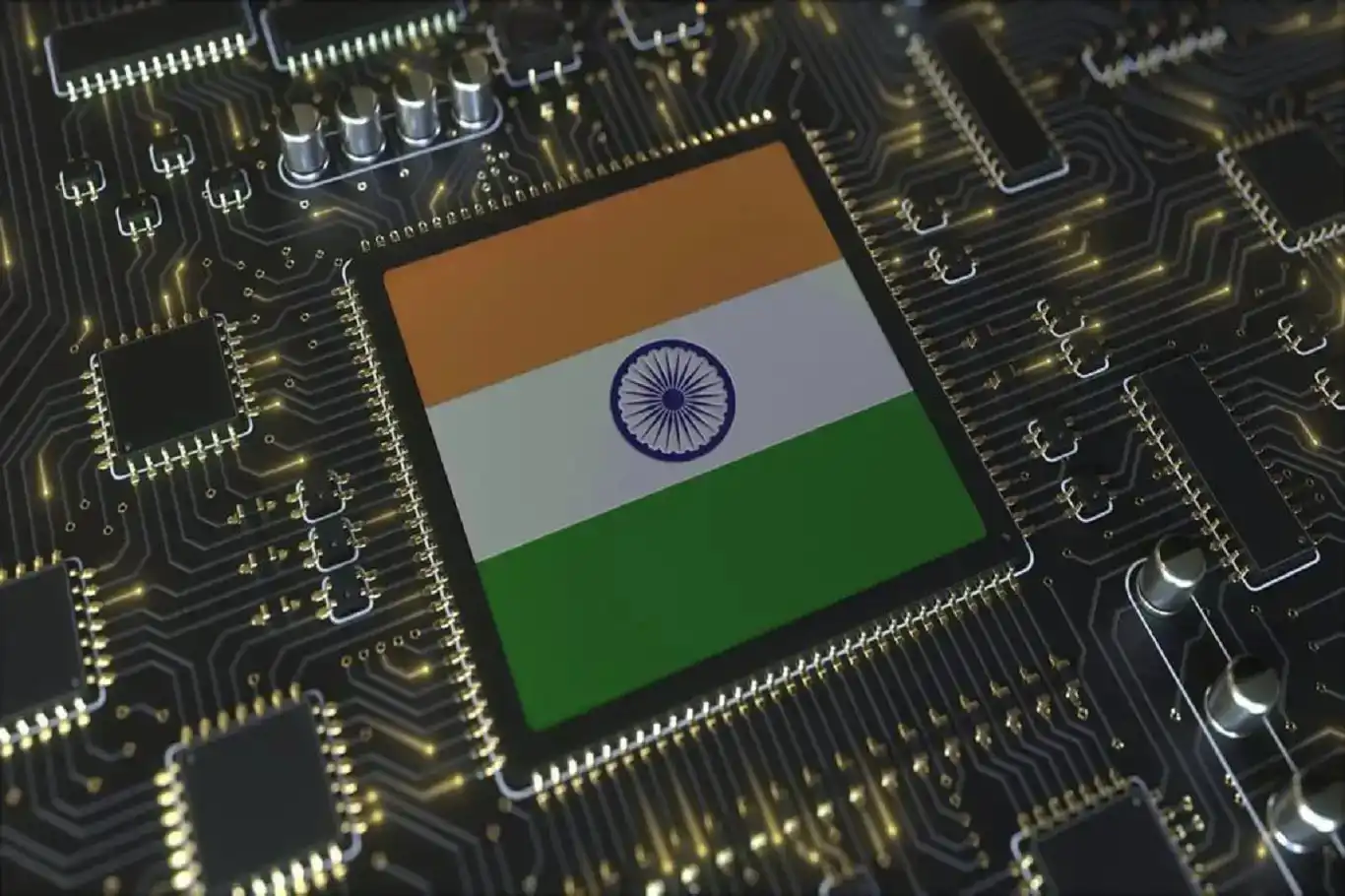
After years of strength in chip design but reliance on foreign manufacturing, India has begun building its own semiconductor production ecosystem, aiming to reduce supply-chain vulnerabilities exposed during the Covid-19 pandemic and strengthen strategic sectors such as telecom, automotive and defense.
India’s uninterrupted access to computer chips has become a critical issue for technology companies such as Tejas Networks, based in Bangalore. The company develops telecommunications equipment used in mobile communication networks and broadband infrastructure, where reliability is paramount.
Co-founder Arnob Roy said the chips used in telecom networks differ fundamentally from those found in consumer electronics. “We essentially provide electronic systems that carry traffic across telecom networks,” Roy said, stressing that such chips must handle massive data flows from hundreds of thousands of users simultaneously. “These networks cannot fail. Reliability, redundancy and fault tolerance are critical.”
Strong in design, weak in manufacturing
Tejas Networks designs many of the chips it needs domestically. India is already a global powerhouse in semiconductor design, with estimates suggesting that around 20 percent of the world’s semiconductor engineers are based in the country. According to Amitesh Kumar Sinha, an official at India’s Ministry of Electronics and Information Technology, almost all major global chip companies operate their largest or second-largest design centers in India.
However, manufacturing has remained India’s weakest link. Chips designed by Indian firms are typically produced overseas, a vulnerability that became starkly apparent when global supply chains were disrupted during the Covid-19 pandemic.
“The pandemic showed how risky it is for semiconductor manufacturing to be excessively concentrated in a few regions,” Roy noted.
Building a domestic semiconductor ecosystem
In response, India has begun developing its own semiconductor industry to reduce risk and improve resilience. Sinha said Covid-19 revealed the fragility of global supply chains, pushing India to invest in domestic capacity.
Semiconductor production involves three main stages: design, silicon wafer fabrication, and assembly, testing and packaging. The most complex and capital-intensive stage—wafer fabrication—is dominated by companies based mainly in Taiwan. India has chosen to first focus on the third stage, known as OSAT (Outsourced Semiconductor Assembly and Test).
Ashok Chandak, President of the India Electronics and Semiconductor Association (IESA), said this segment is easier to launch and that multiple facilities are expected to begin mass production this year.
First facility begins operations
Founded in 2023, Kaynes Semicon has become India’s first operational semiconductor facility, established with government support. The company operates a plant in Gujarat, built with a $260 million investment, where it carries out chip assembly and testing. Production began in November last year.
Kaynes Semicon CEO Raghu Panicker emphasized that packaging is far from a simple process. “It involves a complex 10–12 stage production chain. Without packaging and testing, a wafer is useless to the industry,” he said.
The facility will not produce cutting-edge artificial intelligence or smartphone chips. Instead, Panicker said India’s immediate priorities lie elsewhere. “India does not need the most complex chips from day one. Chips used in automotive, telecom and defense sectors are far more important economically and strategically.”
Talent gap remains a challenge
One of the sector’s biggest challenges is developing skilled human resources. “You cannot compress five years of experience into six months. Training is the biggest bottleneck,” Panicker said.
Despite the hurdles, optimism remains high within the industry. At Tejas Networks in Bangalore, Roy believes that India will build a strong semiconductor manufacturing base over the next decade.
“I believe India will one day both design and manufacture its own telecom chips,” Roy said. “But this will require patience and long-term investment.” (ILKHA)
LEGAL WARNING: All rights of the published news, photos and videos are reserved by İlke Haber Ajansı Basın Yayın San. Trade A.Ş. Under no circumstances can all or part of the news, photos and videos be used without a written contract or subscription.

Several Japanese companies and a university have reported separate data breaches and cyberattacks since Monday, potentially exposing personal information belonging to millions of customers, students, employees and other users.
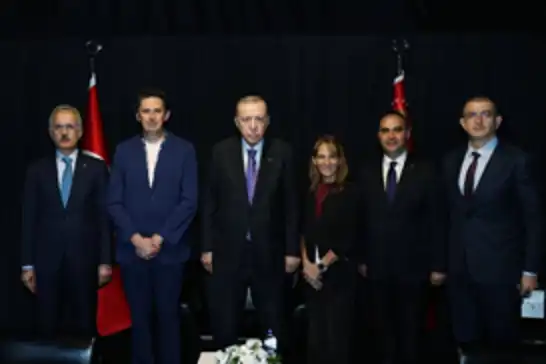
Turkish President Recep Tayyip Erdoğan received senior SpaceX executives Rebecca Hunter and Michael Nicolls on Monday following the opening ceremony of the 77th International Astronautical Congress (IAC) in Antalya.

Iran summoned Norway's ambassador to Tehran on Sunday to protest Oslo's failure to take action against unauthorized Starlink satellite internet transmissions operating inside Iranian territory.

The 77th International Astronautical Congress (IAC 2026), one of the world's largest gatherings for the space sector, opened in Antalya on Monday, bringing together leading space agencies, scientists, engineers, policymakers and industry representatives from around the world.