NASA launches Roman Space Telescope to produce biggest map of the universe
 13 oC
13 oC 
Güneşli

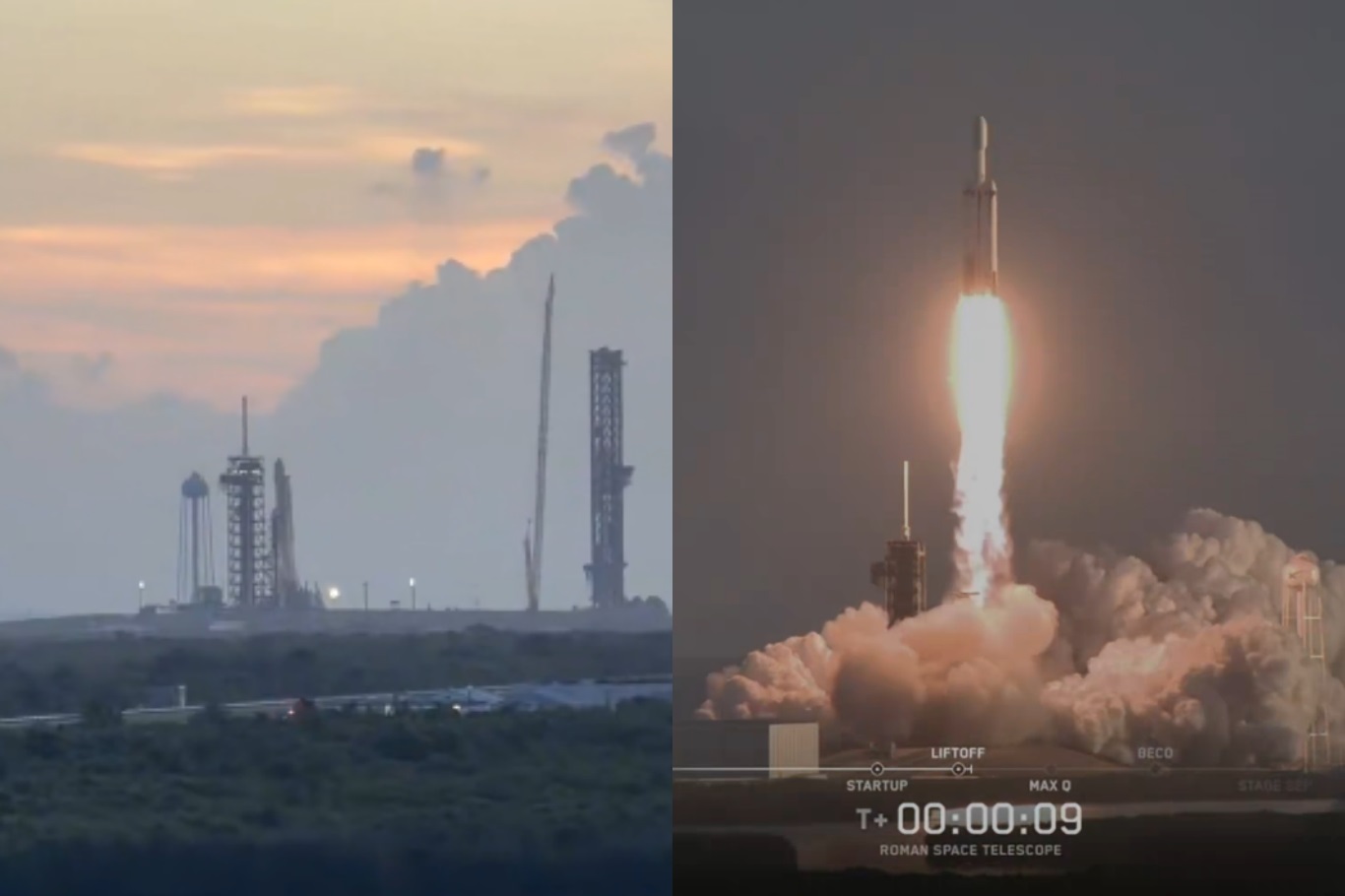
NASA has launched the Nancy Grace Roman Space Telescope on a multi-year mission aimed at creating an unprecedented map of the universe and investigating some of the biggest unanswered questions in modern physics.
The state-of-the-art observatory lifted off from the Kennedy Space Center in Florida on Sunday at 7:26 a.m. local time (1:26 p.m. CEST) aboard a SpaceX Falcon Heavy rocket. Standing more than 12 metres tall, the telescope is expected to survey enormous areas of the sky and provide scientists with new insights into the structure and evolution of the cosmos.
U.S. President Donald Trump, who joined NASA's post-launch press conference by phone, congratulated the agency on the successful launch and described the mission as part of what he called the “golden age of America.”
The telescope was developed over more than a decade at a cost exceeding $4 billion (€3.4 billion). It is named after pioneering American astronomer Nancy Grace Roman, who is widely known as the “Mother of Hubble” for her influential role in the development of space-based astronomy.
The Roman Space Telescope is designed to investigate some of the universe's most enduring mysteries. While the Hubble Space Telescope helped establish that the universe is expanding faster than previously believed, Roman will focus on questions surrounding dark matter and dark energy, two poorly understood components believed to play a fundamental role in the cosmos.
NASA Administrator Jared Isaacman previously described Roman as providing Earth with a “new atlas of the universe,” reflecting the scale of the telescope's planned observations.
Roman will operate from a vantage point approximately 1.5 million kilometres from Earth, a journey expected to take around 100 days. Its field of view will be more than 100 times wider than Hubble's and significantly broader than that of the James Webb Space Telescope. This will allow Roman to observe huge sections of the sky efficiently.
The telescope is expected to work alongside other major observatories, including the James Webb Space Telescope. While Webb provides greater power and precision for detailed observations, Roman's exceptionally wide field of view will allow researchers to survey much larger portions of the sky.
Scientists expect the mission to identify thousands of exoplanets and tens of thousands of supernovae, the powerful explosions marking the deaths of massive stars.
Roman's enormous catalogue of astronomical objects could also help researchers determine how common planetary systems similar to our own are, providing a broader picture of the universe and the environments in which planets form.
With its combination of a wide field of view and advanced observing capabilities, the Roman Space Telescope is expected to become a major new tool for astronomers seeking to understand not only what the universe contains, but also how it has evolved and what forces continue to shape its future. (ILKHA)
LEGAL WARNING: All rights of the published news, photos and videos are reserved by İlke Haber Ajansı Basın Yayın San. Trade A.Ş. Under no circumstances can all or part of the news, photos and videos be used without a written contract or subscription.

An Israeli digital advertising company used an extensive network of online advertisements to track internet users and help facilitate spyware attacks, including against Arab journalists, according to research by Citizen Lab and advertising security firm Confiant.
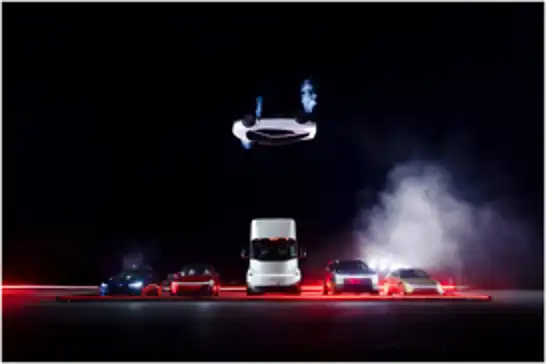
Tesla is preparing to unveil its next-generation Roadster nearly nine years after first presenting the electric sports car, with attention focused on its promised acceleration, potential rocket-assisted technology and the timeline for production.

Turkish Communications Director Burhanettin Duran warns of AI-related risks, disinformation and digital platform dominance, stressing the need for a human-centred and fair communications order.

Artificial intelligence-powered malware capable of copying itself and spreading across internet-connected devices could become a major cybersecurity threat in the near future, according to new research by AI company Anthropic.