OpenAI adds new personalization controls to ChatGPT responses

 13 oC
13 oC 
Güneşli

OpenAI has rolled out a new personalization update for ChatGPT, giving users greater control over how the AI communicates, including how warm, enthusiastic, or visually expressive its responses appear.
The update allows users to fine-tune specific personality traits, moving beyond a single default tone or broad style presets. Instead, users can now adjust individual elements of ChatGPT’s response style to better suit different tasks and preferences.
Under the new system, users can customize settings such as warmth, enthusiasm, emoji usage, and formatting choices, including the use of headers and lists. Each option can be set to “More,” “Less,” or “Default,” and once selected, the preferences apply across all conversations, creating a consistent interaction style.
Previously, ChatGPT offered general tone presets such as Professional, Candid, and Quirky, which established an overall baseline for responses. The new personalization controls build on those presets by allowing more granular adjustments. For example, a user can maintain a professional tone while reducing enthusiasm, or choose a creative style with minimal emoji use.
OpenAI said user feedback played a key role in shaping the update. Some users reported that responses could feel overly enthusiastic or flattering when they preferred neutral, factual guidance, while others wanted a more expressive tone for creative or exploratory tasks.
By allowing users to directly define personality traits, OpenAI aims to reduce friction and make ChatGPT more adaptable to a wide range of use cases. The change reflects a broader shift in AI development toward user-controlled systems rather than one-size-fits-all behavior.
For technical, research, or professional writing tasks, many users prefer concise, neutral responses with limited emotional cues. In contrast, creative writing, brainstorming, or learning activities may benefit from higher warmth, enthusiasm, and richer formatting.
The personalization update is part of a longer trend in ChatGPT’s development. Earlier enhancements introduced memory features, preference handling, and base tone selection. The latest controls focus specifically on the emotional and stylistic aspects of AI-generated responses.
While the feature has been widely welcomed, some researchers have raised questions about how emotional cues such as friendliness and enthusiasm can influence user trust and engagement, particularly in sensitive contexts. These discussions have underscored the importance of transparency and user control in AI design.
The new personalization settings are available in both the ChatGPT app and web interface under the Personalization section. Users can adjust their preferences at any time, allowing them to shift styles as their needs change.
For professionals who rely on ChatGPT daily, the update reduces the need to repeatedly instruct the AI on tone, enabling greater focus on productivity. From a product perspective, the move signals a shift toward refining user experience and long-term usability rather than prioritizing novelty.
As AI tools become more deeply integrated into work and communication, OpenAI’s approach to fine-grained personalization may set a precedent for the industry, highlighting how subtle controls over tone and expression can be as important as raw model performance. (ILKHA)
LEGAL WARNING: All rights of the published news, photos and videos are reserved by İlke Haber Ajansı Basın Yayın San. Trade A.Ş. Under no circumstances can all or part of the news, photos and videos be used without a written contract or subscription.

Social media has surpassed traditional media as the world's leading source of news for the first time, according to a major international study published by researchers at the University of Oxford.
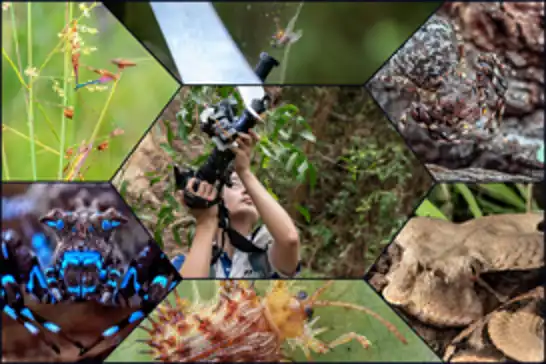
A striking red crab spider that emits a vibrant blue glow under ultraviolet light is among dozens of previously unknown species uncovered during a groundbreaking scientific expedition to Angola's remote Lisima Plateau, a region long regarded as one of Africa's least explored biodiversity frontiers.

Türkiye has established a secure, domestically developed, and publicly accessible artificial intelligence ecosystem within the Presidency's Directorate of Communications, marking what officials describe as a pioneering model for the use of AI in public administration.

A new assessment published in the journal Nature has raised concerns that advances in artificial intelligence could lower barriers to the development of biological weapons, as AI-powered biotechnology tools become increasingly capable of designing and analyzing complex biological systems.