U.S. officials say China’s SMIC sent chipmaking tools to Iran’s military

 13 oC
13 oC 
Güneşli

China’s largest chipmaker SMIC has sent semiconductor manufacturing equipment to Iran’s military, according to two senior officials from the Trump administration, raising questions over Beijing’s position in the ongoing U.S.-Israeli conflict with Tehran.
The officials said SMIC, which is listed in Hong Kong and has been subject to U.S. sanctions over alleged ties to the Chinese military, began transferring chipmaking tools to Iran roughly a year ago. They added that there is no indication the transfers have stopped.
The reported shipments come amid heightened tensions in the region following a month-long conflict involving the United States, Israel, and Iran. The development adds a new dimension to concerns in Washington over China’s role and its alignment in global geopolitical disputes.
SMIC has faced increasing scrutiny from U.S. authorities in recent years, with restrictions imposed over national security concerns related to advanced semiconductor technologies and their potential military applications. The company has not publicly responded to the latest allegations at the time of reporting.
The claims have not been independently verified. Beijing and Tehran have maintained closer economic and political ties in recent years, though China has also sought to present itself as a neutral actor in Middle Eastern conflicts.
The U.S. officials said the continued movement of sensitive technology underscores broader concerns about the proliferation of advanced manufacturing tools and their possible use in military programs. (ILKHA)
LEGAL WARNING: All rights of the published news, photos and videos are reserved by İlke Haber Ajansı Basın Yayın San. Trade A.Ş. Under no circumstances can all or part of the news, photos and videos be used without a written contract or subscription.

Social media has surpassed traditional media as the world's leading source of news for the first time, according to a major international study published by researchers at the University of Oxford.
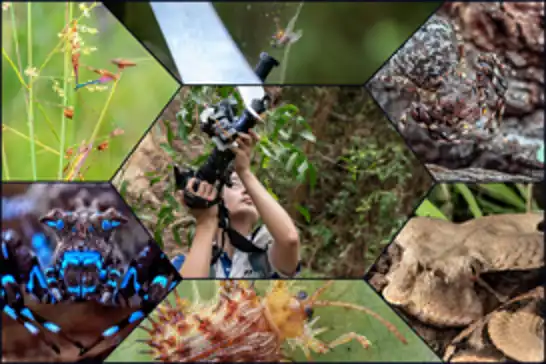
A striking red crab spider that emits a vibrant blue glow under ultraviolet light is among dozens of previously unknown species uncovered during a groundbreaking scientific expedition to Angola's remote Lisima Plateau, a region long regarded as one of Africa's least explored biodiversity frontiers.

Türkiye has established a secure, domestically developed, and publicly accessible artificial intelligence ecosystem within the Presidency's Directorate of Communications, marking what officials describe as a pioneering model for the use of AI in public administration.

A new assessment published in the journal Nature has raised concerns that advances in artificial intelligence could lower barriers to the development of biological weapons, as AI-powered biotechnology tools become increasingly capable of designing and analyzing complex biological systems.