Iranian Foreign Minister meets US envoy Witkoff, sets conditions for Hormuz reopening
 13 oC
13 oC 
Güneşli

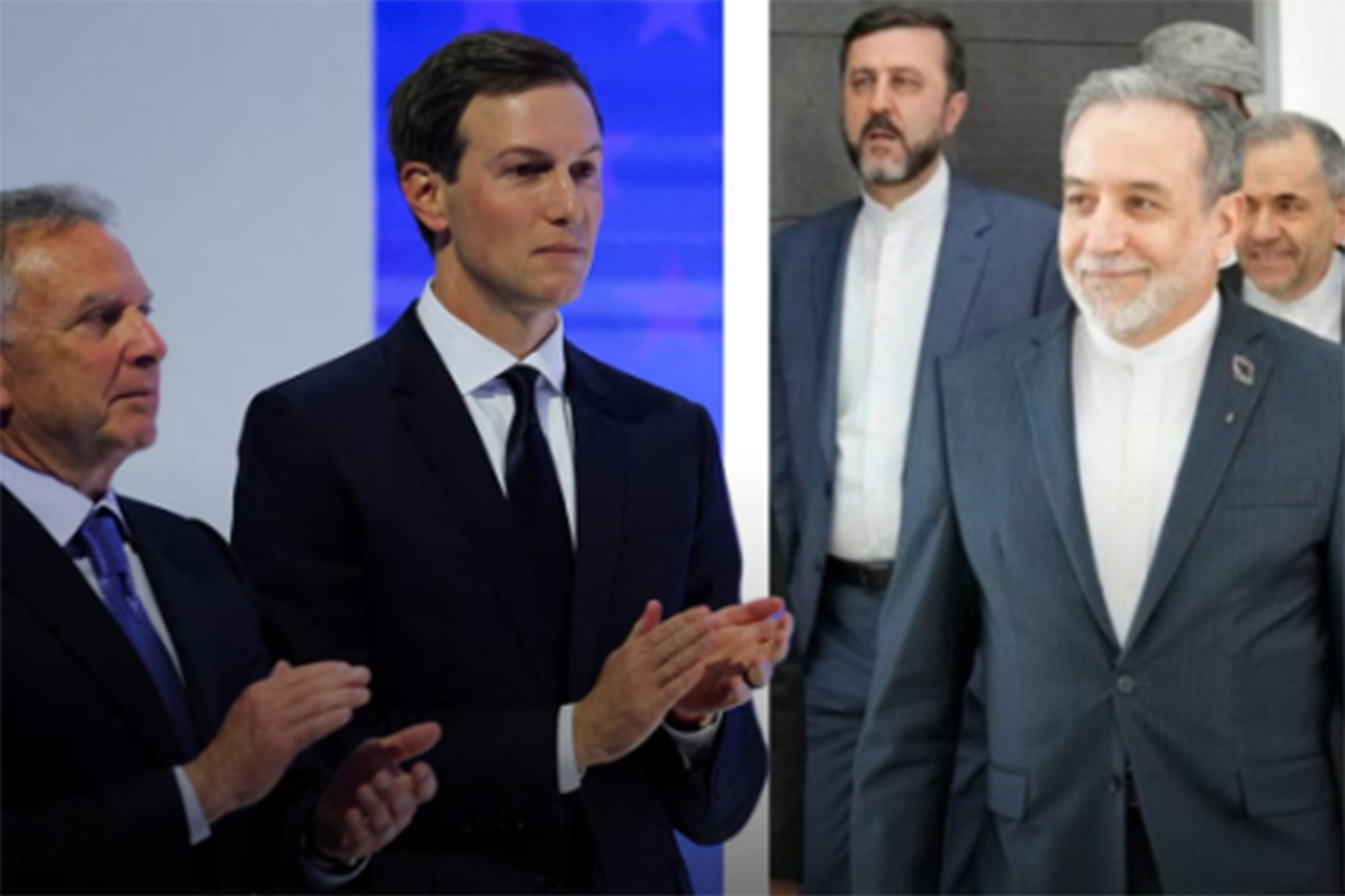
Iranian Foreign Minister Abbas Araghchi has met with U.S. Special Envoy Steve Witkoff on the sidelines of the United Nations General Assembly in New York, with the Iranian side using the encounter to communicate Tehran’s conditions for reopening the strategically vital Strait of Hormuz, Iranian television reported.
According to a special source cited by Iranian television, the meeting was held after Witkoff insisted on talks with Araghchi. Tehran agreed to the meeting in order to directly convey its position and conditions regarding the strategic waterway.
Iranian state media separately confirmed that Araghchi and Witkoff met in New York and reported that Iran’s demands concerning the Strait of Hormuz were conveyed to the U.S. side.
The meeting comes amid heightened tensions surrounding the strategic waterway, through which a significant share of global energy supplies passes.
According to Iranian television, Tehran has set clear conditions for reopening the Strait of Hormuz.
The first condition is the immediate lifting of the naval blockade, while Iran has also demanded the immediate release of all frozen Iranian funds, the report said.
Iranian sources further identified an end to the war across all resistance fronts as another condition for restoring normal passage through the strategic waterway.
The conditions underscore Tehran’s position that the Strait of Hormuz cannot be treated separately from the broader regional conflict and the economic and military pressure imposed on Iran.
For Tehran, the issue of navigation through the waterway is closely linked to national sovereignty, the lifting of restrictions and the wider regional security environment.
At the same time, Iran is moving to establish a stronger legal framework governing navigation through the Strait of Hormuz.
Iran’s Parliamentary National Security and Foreign Policy Committee has approved provisions introducing penalties for vessels that violate regulations governing passage through the strategic waterway.
Under the proposed measures, vessels found in violation could face fines equivalent to 20% of their cargo or its value, as well as temporary detention until the relevant penalty is paid.
Committee spokesman Hassan Qashqavi said Articles 13, 14 and 15 of the proposed Strategic Action Plan for Ensuring the Security and Sustainable Development of the Strait of Hormuz were approved during Tuesday’s meeting. Article 16 is scheduled to be considered at a later session.
Article 13 also calls for the establishment of specialized judicial branches staffed by experts in maritime affairs and the law of the sea to handle cases related to violations.
Article 14 sets out penalties for individuals and legal entities whose actions or omissions obstruct implementation of the proposed legislation.
It also stipulates that any bilateral or multilateral agreement concerning the Strait of Hormuz must comply with relevant provisions of Iran’s Constitution concerning international agreements, state authority and national security.
The measures reflect Tehran’s stated intention to place navigation through the waterway within a clearly defined national legal framework rather than allowing external actors to determine the rules governing the strategic passage.
Under Article 15, the General Staff of Iran’s Armed Forces would be required to submit quarterly reports to Parliament’s National Security and Foreign Policy Committee concerning implementation of the proposed framework, either directly or through the Defense Ministry.
The approved provisions form part of a broader proposed regulatory framework covering navigation through the Strait of Hormuz.
The framework includes measures concerning fees for services provided by Iran as well as restrictions on entities Tehran considers responsible for unilateral sanctions or hostile actions against the Islamic Republic.
The proposed legislation is intended to establish what Iranian lawmakers describe as a more comprehensive framework for safeguarding the security and sustainable development of the waterway.
The provisions approved by Parliament’s committee have not yet taken effect and remain subject to completion of Iran’s legislative process.
The Araghchi-Witkoff meeting in New York nevertheless provides a diplomatic channel through which Tehran has directly communicated its conditions to Washington, with the Strait of Hormuz emerging as a central issue in discussions over the wider regional crisis. (ILKHA)
LEGAL WARNING: All rights of the published news, photos and videos are reserved by İlke Haber Ajansı Basın Yayın San. Trade A.Ş. Under no circumstances can all or part of the news, photos and videos be used without a written contract or subscription.
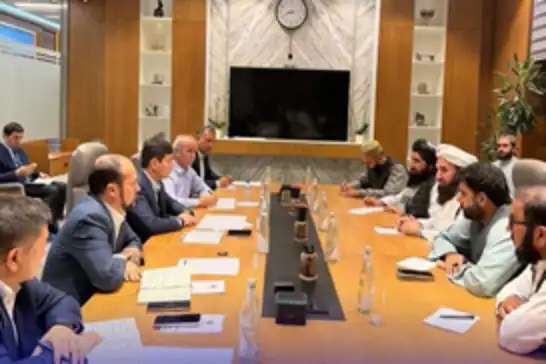
Afghan and Uzbek officials have discussed technical and financial challenges affecting the development of the Tuti Maidan gas block, with both sides expressing a commitment to resolving outstanding issues and advancing the project.
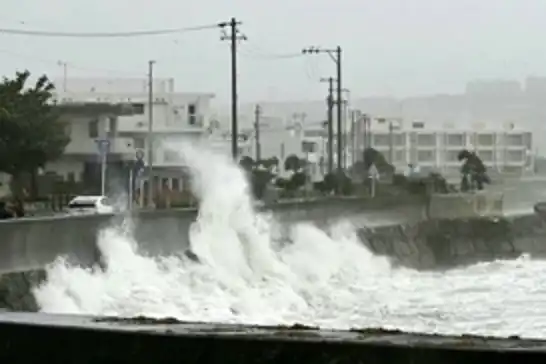
The death toll from Typhoon Dujuan in eastern Japan rose to nine on Wednesday, as rescue teams continued searching for four people still missing after torrential rain triggered flooding and landslides across parts of the Kanto region.
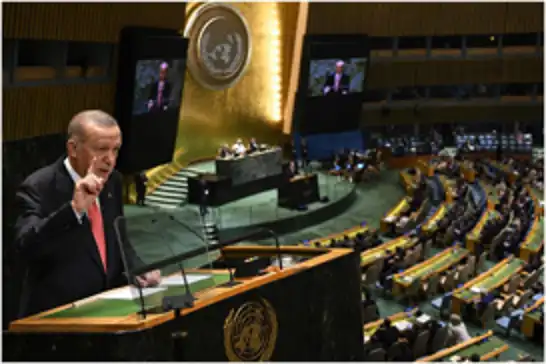
Turkish President Recep Tayyip Erdoğan has called for fundamental reforms to the international system, arguing that international law cannot be applied differently to powerful and weaker states, while urging the international community to increase pressure on Israel and support the reconstruction of Gaza.