18 migrants die trying to cross to Spanish enclave of Ceuta from Morocco
 13 oC
13 oC 
Güneşli

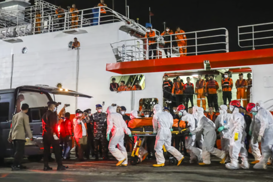
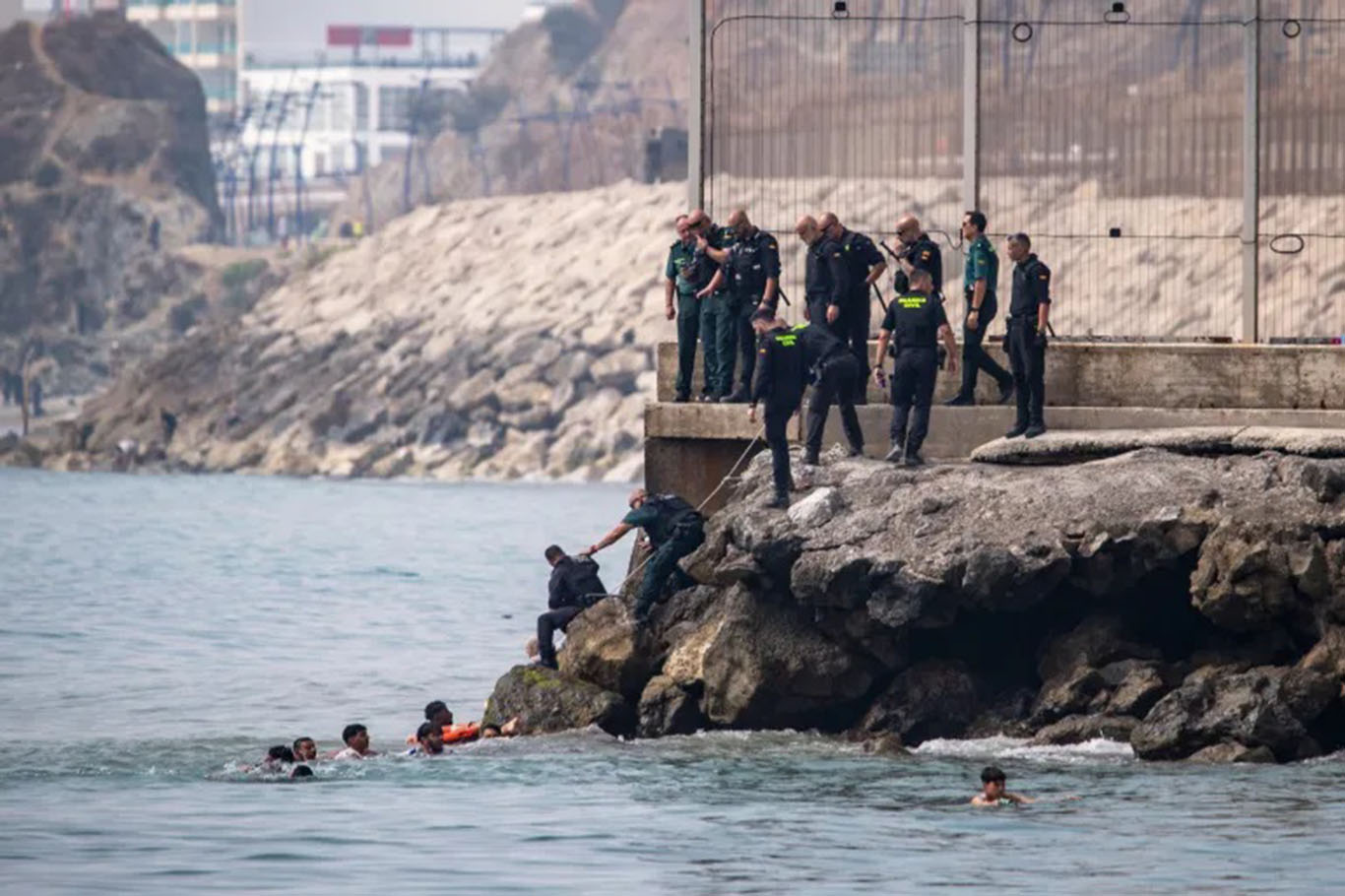
At least 18 migrants have died while attempting to reach Spain's North African enclave of Ceuta after tens of thousands of people breached the border with Morocco in one of the largest mass crossings in recent years, triggering a humanitarian and security crisis.
Most of the victims drowned while trying to swim into the Spanish territory, while others were killed in a crush near the breakwater at Tarajal beach as crowds attempted to force their way across the frontier, according to local officials.
Spanish authorities have deployed additional military personnel and police officers to Ceuta to reinforce border security and assist emergency services after the sudden influx overwhelmed local resources. Prime Minister Pedro Sánchez and Interior Minister Fernando Grande-Marlaska are expected to visit the enclave to assess the situation and coordinate the government's response.
Rachid Sbihi, head of a local association representing Spain's Civil Guard officers, described the situation as a "serious humanitarian crisis," saying migrants continued to arrive despite the reinforcement of security forces.
"The reinforcements that have arrived are mainly helping the injured and supporting humanitarian operations," Sbihi said, adding that thousands of people—including unaccompanied minors—had been left without shelter and were sleeping in parks, streets and public spaces.
Video footage circulating on social media showed large crowds making their way around the Tarajal breakwaters, with many entering Ceuta on foot after swimming from the Moroccan coast. The arrivals included mostly young men, but also women and families with small children.
The exact reason behind the sudden surge remains unclear. Spanish officials have suggested that human trafficking networks may have encouraged the crossings following recent legal developments affecting the treatment of migrants arriving by sea, while Moroccan authorities have blamed criminal smuggling networks.
Ceuta and the nearby Spanish enclave of Melilla constitute the European Union's only land borders with Africa and have long served as key entry points for migrants seeking to reach Europe. The territories have periodically experienced large-scale migration attempts, though the latest influx is among the most significant since the 2021 border crisis.
The latest arrivals have placed enormous pressure on Ceuta's reception facilities, prompting local authorities to call for additional assistance from Madrid. Reception centers are operating beyond capacity, while humanitarian organizations have appealed for emergency support for vulnerable migrants, particularly children traveling alone.
The incident has reignited debate across Spain and the European Union over border management, migration policy and cooperation with Morocco. The European Commission has reiterated its support for Spain in securing the EU's external borders while emphasizing the need to protect human life and uphold international humanitarian obligations. (ILKHA)
LEGAL WARNING: All rights of the published news, photos and videos are reserved by İlke Haber Ajansı Basın Yayın San. Trade A.Ş. Under no circumstances can all or part of the news, photos and videos be used without a written contract or subscription.

Israeli Prime Minister Benjamin Netanyahu is facing one of the most serious political challenges of his career after exit polls from the country’s October 27 election indicated that his bloc had fallen short of a parliamentary majority, amid mounting international condemnation of Israel’s genocidal war on Gaza.

Arab voter participation has surged in Israel’s elections, drawing increased scrutiny from Prime Minister Benjamin Netanyahu’s Likud party, which has sought to extend voting hours and is reportedly preparing to challenge the integrity of the vote if it suffers significant losses.
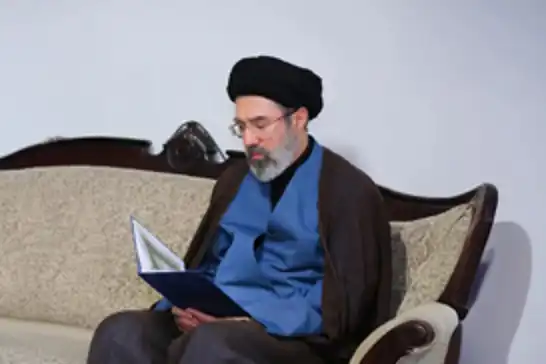
Iran’s Leader Ayatollah Seyyed Mojtaba Hosseini Khamenei has underscored the effectiveness of Iran’s national resistance, saying the desperation of its adversaries reflects the strength and resilience of the Iranian nation.
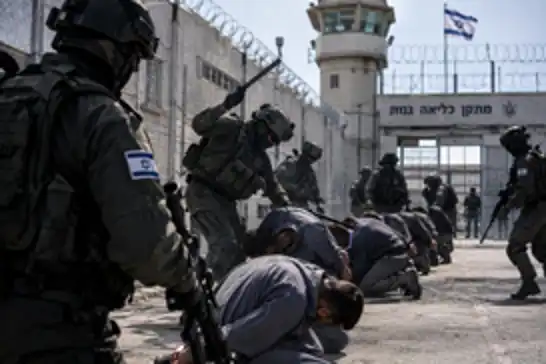
Palestinian detainees from the Gaza Strip held in Israel’s Ramla Prison are facing repeated assaults, physical abuse and alleged torture, including beatings with batons, tear gas, pepper spray, rubber bullets and stun grenades, according to the Asra Media Office (AMO).