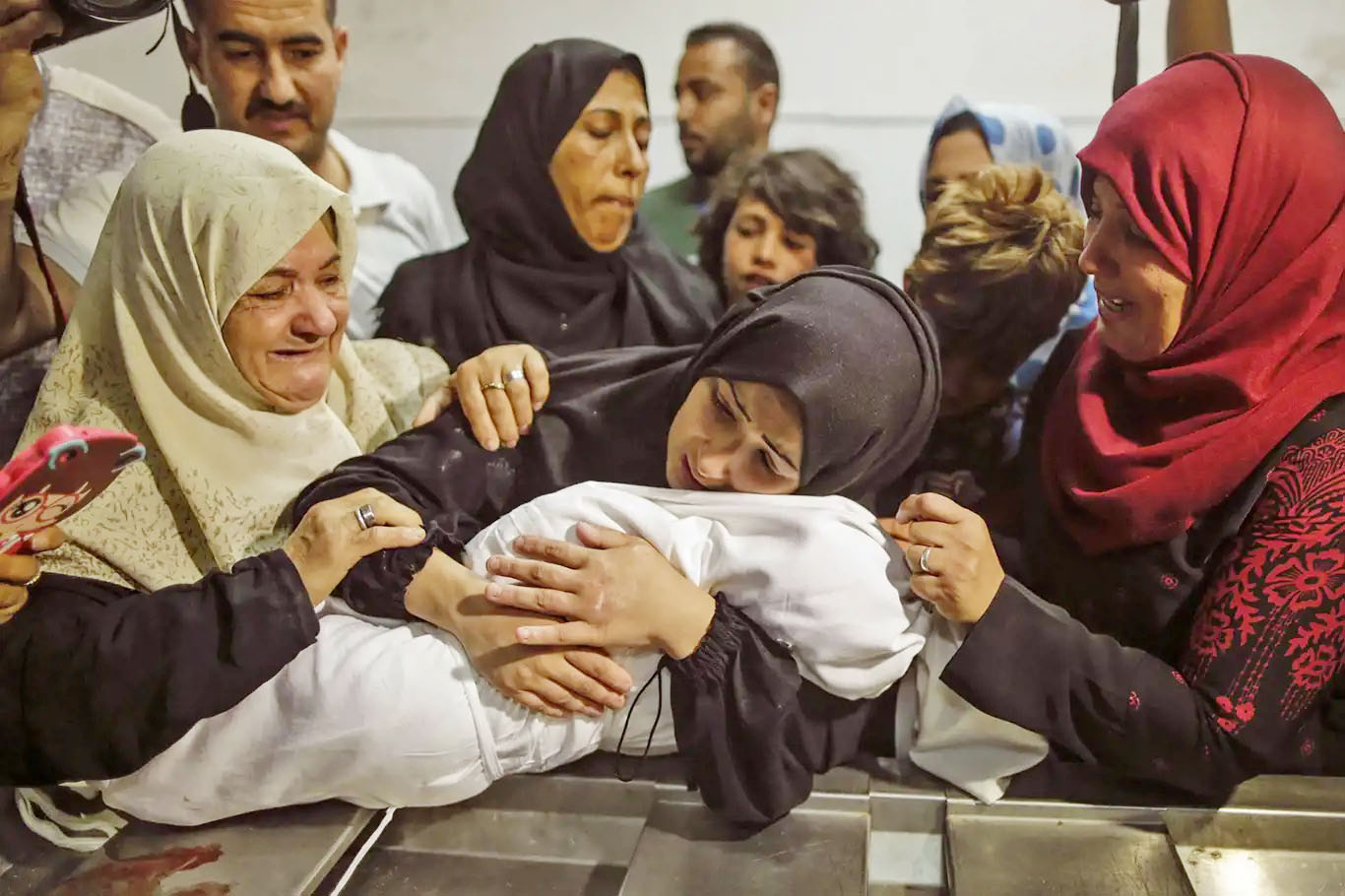
360 Palestinian children killed since Gaza ceasefire announcement, UNICEF reports
 13 oC

Güneşli

The United Nations Children’s Fund (UNICEF) has urged the international community to step up pressure on the Israeli occupation authorities to lift restrictions on humanitarian aid entering the besieged Gaza Strip, warning that thousands of Palestinian children remain exposed to life-threatening conditions as winter sets in.
In a statement issued through its Middle East and North Africa regional office, UNICEF said children across Gaza continue to be deprived of their most basic necessities, despite more than a year having passed since the announcement of the ceasefire agreement. The agency stressed that humanitarian assistance must be allowed into the territory in sufficient quantities and delivered without obstruction.
UNICEF reported that 360 Palestinian children have been killed and more than 1,700 seriously injured since the ceasefire was announced, underscoring that the suffering and killing of children have continued despite the truce.
The humanitarian crisis has been further aggravated by winter conditions and heavy rainfall, which have flooded the fragile tents of displaced Palestinian families, leaving thousands exposed to freezing temperatures, flooding and a severe lack of adequate shelter.
The agency warned that approximately 950,000 displaced Palestinians are living in flood-prone areas, including nearly 400,000 in particularly high-risk locations. Children account for roughly half of the population in these areas, making them especially vulnerable to the worsening conditions.
UNICEF said it had expanded its humanitarian operations since the ceasefire, providing healthcare services and safe drinking water to more than one million people. However, it stressed that the scale of humanitarian needs across Gaza continues to far exceed the assistance currently available.
The agency also highlighted continued Israeli restrictions on the entry of critical supplies, including spare parts for water and sanitation systems and materials needed to provide emergency shelter. These restrictions are obstructing efforts to repair damaged infrastructure and protect displaced families from increasingly harsh winter conditions.
UNICEF warned that persistent shortages of adequate shelter, clean water, sanitation facilities and winter supplies are placing children's lives and health at growing risk.
The agency called for the immediate and unrestricted entry of lifesaving humanitarian supplies, alongside sufficient funding to sustain emergency relief operations throughout the winter months.
It stressed that urgent international action is needed to ensure that Palestinian children receive the protection, shelter, healthcare and basic necessities they desperately need. (ILKHA)
LEGAL WARNING: All rights of the published news, photos and videos are reserved by İlke Haber Ajansı Basın Yayın San. Trade A.Ş. Under no circumstances can all or part of the news, photos and videos be used without a written contract or subscription.
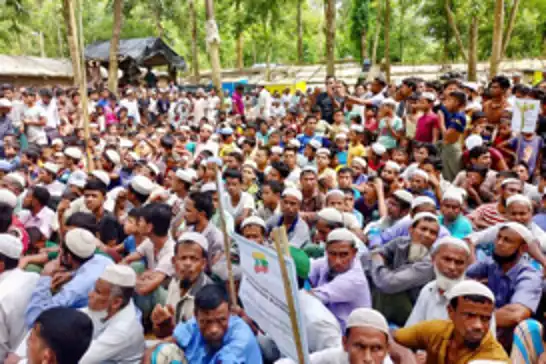
A landmark ruling by the International Court of Justice (ICJ) is expected this week in the case concerning the decades-long persecution of Rohingya Muslims in Myanmar, a decision widely regarded as a historic moment for international law and accountability. The judgment will determine whether Myanmar violated its obligations under the 1948 Genocide Convention in its treatment of the Rohingya Muslim community.

Air travel across the United States remained severely disrupted for a third consecutive day on Sunday, with more than 11,500 flights cancelled or delayed following a nationwide Federal Aviation Administration (FAA) ground stop triggered by a technical failure in the country's air traffic control network.

The USS Theodore Roosevelt aircraft carrier has arrived in the Middle East as tensions between the United States and the Islamic Republic of Iran continue, bringing the number of US aircraft carrier strike groups deployed in the area to three.