Top UN court to rule if Myanmar committed genocide against Rohingya
 13 oC

Güneşli

A landmark ruling by the International Court of Justice (ICJ) is expected this week in the case concerning the decades-long persecution of Rohingya Muslims in Myanmar, a decision widely regarded as a historic moment for international law and accountability. The judgment will determine whether Myanmar violated its obligations under the 1948 Genocide Convention in its treatment of the Rohingya Muslim community.
The case was brought by The Gambia in November 2019, accusing Myanmar of committing genocide against Rohingya Muslims through systematic killings, forced displacement and other acts carried out during military operations in Rakhine State. Myanmar has rejected the allegations, maintaining that its military campaign targeted armed insurgents rather than civilians.
Decades of discrimination against Rohingya Muslims
The persecution of Rohingya Muslims is rooted in decades of discriminatory policies pursued by Myanmar's authorities.
Under the 1982 Citizenship Law, most Rohingya Muslims were stripped of citizenship and effectively rendered stateless. Their access to education, freedom of movement, healthcare, employment and political representation was severely restricted, leaving the community marginalized in its own homeland.
Hundreds of thousands forced to flee in 2017
The persecution reached its most devastating stage in 2017, when Myanmar's military launched large-scale operations in Rakhine State.
Numerous testimonies presented before international investigators described villages being burned, civilians killed, women subjected to sexual violence and children among the victims.
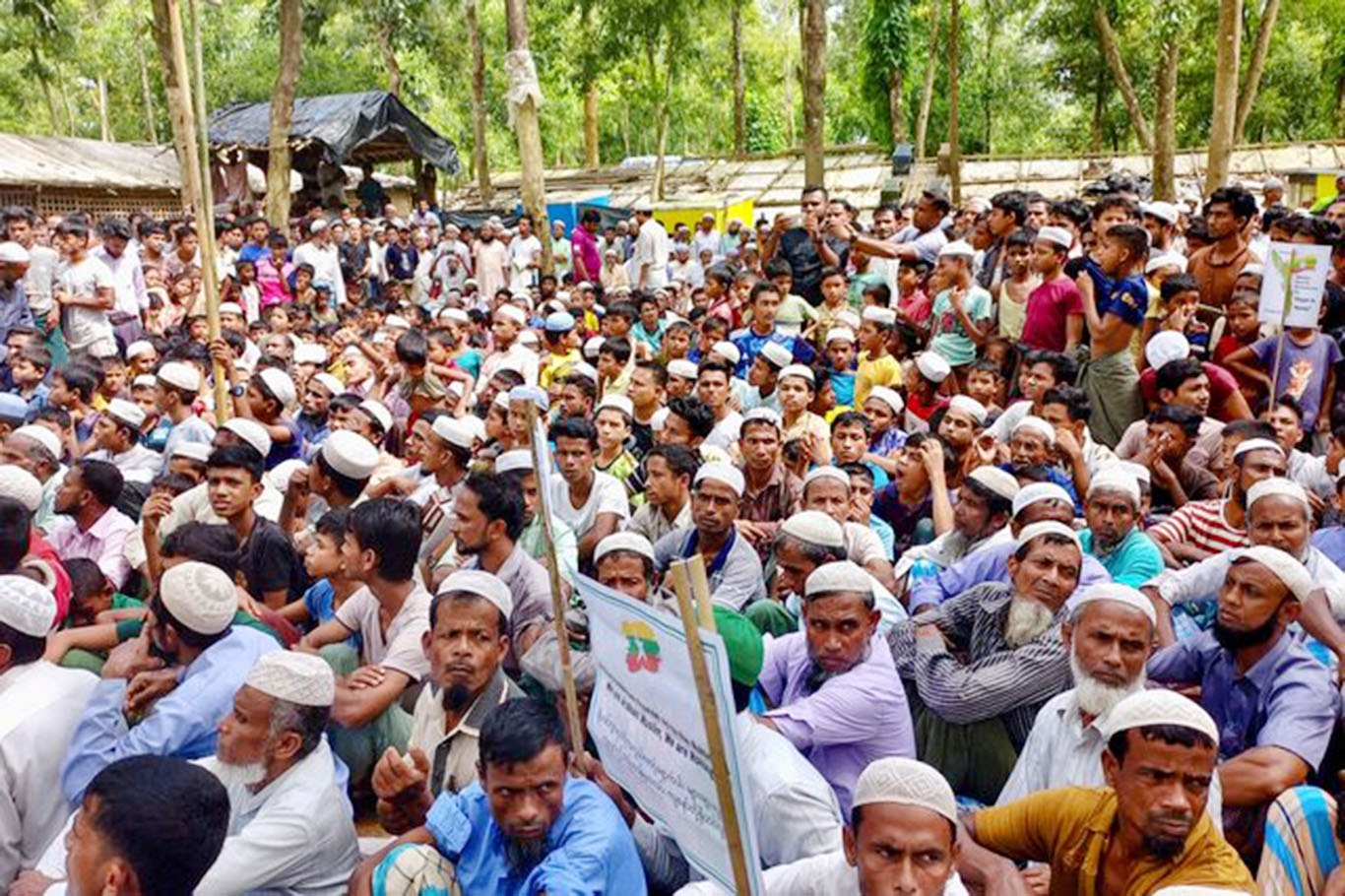
The military campaign forced more than 700,000 Rohingya Muslims to flee to neighboring Bangladesh. Combined with earlier waves of displacement, more than one million Rohingya refugees are now living in overcrowded camps, particularly in Cox's Bazar, where many continue to face difficult humanitarian conditions.
Myanmar continues to deny allegations of genocide, arguing that the military operations were legitimate counter-insurgency actions against armed groups.
Landmark ruling expected
The ICJ is scheduled to deliver its judgment on 19 November at the Peace Palace in The Hague.
The ruling is expected to clarify whether Myanmar breached its obligations under the Convention on the Prevention and Punishment of the Crime of Genocide and is regarded as one of the most significant decisions ever issued by the Court on state responsibility for genocide.
According to The Guardian, the judgment could also influence legal assessments in other genocide-related proceedings, including South Africa's case against the Israeli occupation regime, by providing guidance on how the Court evaluates genocidal intent and state responsibility under international law.
For Rohingya Muslims, however, the case represents more than a legal milestone. Survivors and refugee communities have long called for an end to decades of discrimination, the restoration of citizenship rights, the safe and dignified return of displaced families, and accountability for those responsible for atrocities committed against the community.
While the Court's ruling will address Myanmar's responsibility as a state, it will not determine the individual criminal liability of military officials, which falls under separate international legal mechanisms. (ILKHA)
LEGAL WARNING: All rights of the published news, photos and videos are reserved by İlke Haber Ajansı Basın Yayın San. Trade A.Ş. Under no circumstances can all or part of the news, photos and videos be used without a written contract or subscription.

At least 17 people have been killed in two separate mass shootings in South Africa, police said on Monday, as authorities investigate another outbreak of deadly gun violence in a country struggling with one of the world's highest murder rates.

Air travel across the United States remained severely disrupted for a third consecutive day on Sunday, with more than 11,500 flights cancelled or delayed following a nationwide Federal Aviation Administration (FAA) ground stop triggered by a technical failure in the country's air traffic control network.
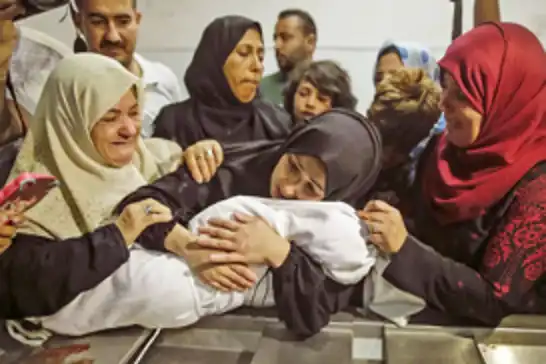
The United Nations Children’s Fund (UNICEF) has urged the international community to step up pressure on the Israeli occupation authorities to lift restrictions on humanitarian aid entering the besieged Gaza Strip, warning that thousands of Palestinian children remain exposed to life-threatening conditions as winter sets in.