Apple Maps under fire for ‘erasing’ south Lebanon villages amid Israeli aggression
 13 oC
13 oC 
Güneşli

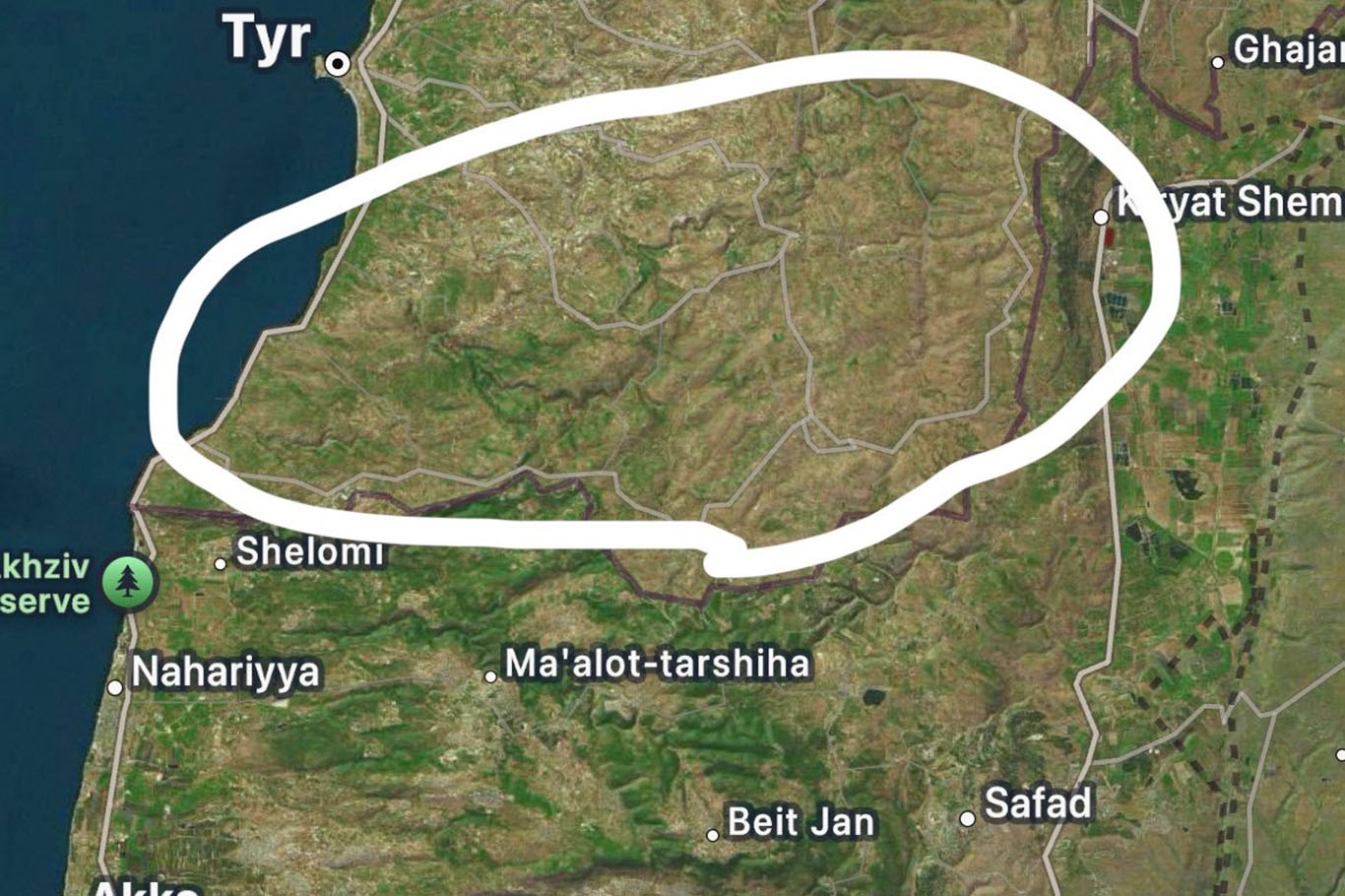
The tech giant Apple is facing mounting criticism and accusations of political bias after users discovered that village and town names across southern Lebanon have largely disappeared from Apple Maps, leaving what appears to be a blank and undefined region on the digital map.
The controversy comes at a highly sensitive moment, as tensions escalate along the border with Israel and clashes intensify with Hezbollah. Observers warn that the timing of this “digital erasure” raises serious concerns about the role of global technology platforms in shaping narratives during conflict.
The issue first gained traction on X, where users circulated screenshots showing southern Lebanon stripped of its geographical identity, while surrounding areas in Israel and Syria remained clearly labeled. The contrast became even more striking when compared to Google Maps, which continues to display the towns and villages of southern Lebanon without alteration.
One user, Ethan Levins, highlighted the issue, warning that such changes risk normalizing narratives tied to territorial expansion. His comments echoed broader concerns among observers who fear that removing place names from maps may contribute to perceptions of emptiness or contested ownership in a region deeply rooted in history and community life.
Critics argue that presenting southern Lebanon as an unlabeled space, particularly during an active period of military tension, risks reinforcing narratives that undermine the presence and identity of its السكان. The controversy is further intensified by renewed discussions within Israeli circles regarding potential expansion toward the Litani River, a historically sensitive boundary in regional conflicts.
While some analysts have suggested the issue could stem from technical errors or data inconsistencies—problems that have previously affected Apple’s mapping services—many observers insist that such explanations fail to account for the political weight of the current moment. In conflict zones, even seemingly minor digital alterations can carry profound implications.
Digital mapping platforms are no longer mere navigation tools; they shape global understanding of geography, sovereignty, and human presence. The apparent removal of South Lebanon’s place names raises urgent questions about accountability, neutrality, and the ethical responsibilities of technology companies operating in politically charged environments.
As of now, Apple has not issued a detailed response addressing the disappearance of these labels. Meanwhile, calls are growing for transparency and immediate correction, as many warn that the integrity of geographic information must not be compromised—especially when entire communities risk being rendered invisible in both the digital and political landscape.
For many in Lebanon, the incident is not just a technical anomaly but a stark reminder that the struggle over land and identity is increasingly being mirrored in the digital realm, where maps can shape perception as powerfully as events on the ground. (ILKHA)
LEGAL WARNING: All rights of the published news, photos and videos are reserved by İlke Haber Ajansı Basın Yayın San. Trade A.Ş. Under no circumstances can all or part of the news, photos and videos be used without a written contract or subscription.
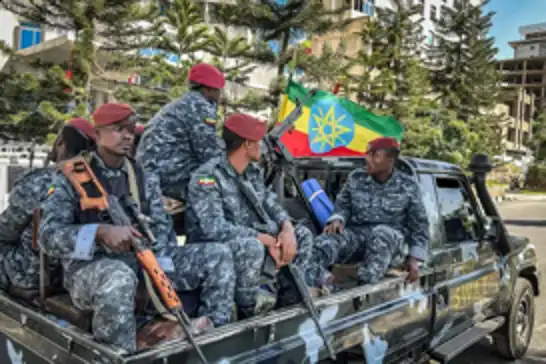
Ethiopian federal forces and allied pro-government groups have advanced toward the border town of Zalambessa near Eritrea, raising fears that renewed fighting in northern Ethiopia could escalate into a broader regional conflict.

North Korea has conducted a test of two types of submarine-launched strategic cruise missiles, saying the launch was intended to assess the operational readiness of its navy and the reliability of its underwater weapons systems.

At least 30 people, including 29 students and a teacher, were killed when the roof of a private school collapsed during classes in Peshawar, northwestern Pakistan, on Thursday, as rescue teams searched the rubble for survivors.
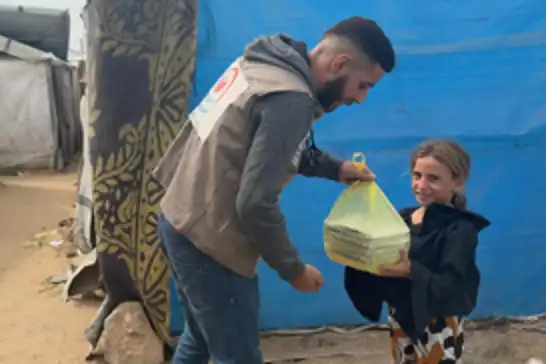
The Orphans Foundation (Yetimler Vakfı) is continuing to distribute hot meals to orphaned children and needy families in Gaza through its “Her Gün Bir Sofra” (A Table Every Day) project, providing vital food assistance to Palestinians struggling amid the ongoing humanitarian crisis.