Araghchi announces 60-day roadmap toward final US-Iran agreement
 13 oC
13 oC 
Güneşli

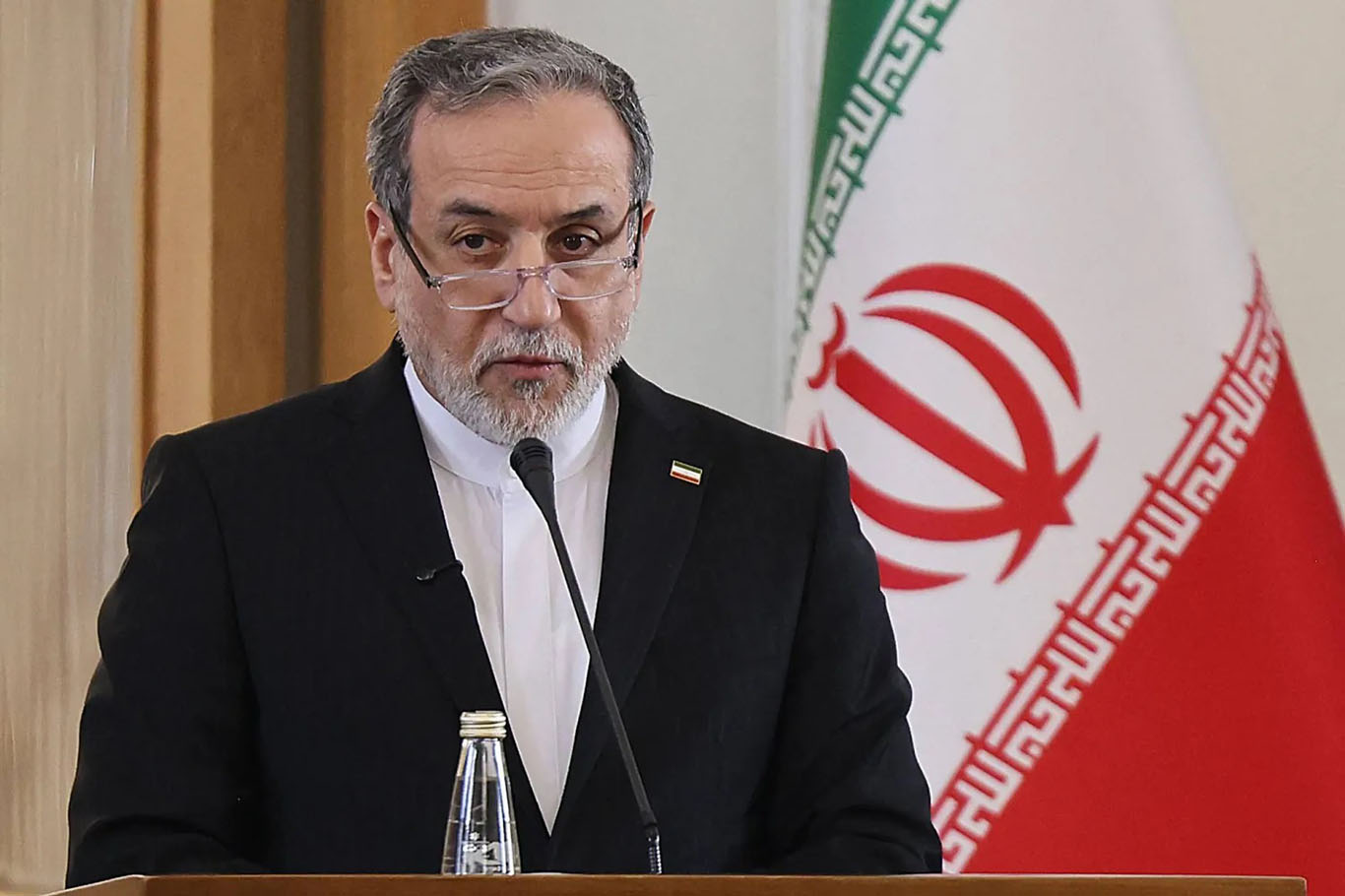
Iranian Foreign Minister Abbas Araghchi announced on Monday that tireless mediation efforts by Pakistan and Qatar have secured significant breakthroughs, paving the way toward ending the war in Lebanon and delivering substantial sanctions relief for Iran.
In a message posted on social media platform X on Monday, Araghchi said the intensive mediation efforts led by Islamabad and Doha had produced significant progress toward ending regional conflicts and addressing key Iranian demands that have long been central to Tehran's diplomatic agenda.
"Tireless Pakistani and Qatari mediation has delivered major progress to end the Lebanon war. Oil and petrochem exports are waived, blockade lifted, some frozen assets released, and a major reconstruction and development plan launched for Iran," Araghchi wrote.
The Iranian foreign minister described the developments as evidence that sustained diplomacy, regional cooperation, and principled negotiations can achieve results that years of pressure and confrontation failed to deliver.
Araghchi's remarks came as Qatar and Pakistan announced the successful conclusion of the first round of high-level talks at the Lake Lucerne Summit in Switzerland, where negotiators reported substantial progress in advancing the mediation process.
In a joint statement issued early Monday, the two mediating countries said discussions took place in a "positive and constructive atmosphere" and resulted in "encouraging progress" on multiple issues.
The statement confirmed the establishment of a mechanism to continue technical discussions and the creation of a high-level political committee tasked with overseeing the broader negotiation process.
Diplomatic observers described the outcome as an important step toward transforming last week's memorandum of understanding into a comprehensive and durable agreement.
Among the developments highlighted by Iranian officials were measures related to sanctions relief, the release of frozen Iranian financial assets, and steps aimed at facilitating Iran's energy exports.
Iranian analysts view these measures as a significant diplomatic achievement after years of economic restrictions that affected trade, investment, and access to international financial markets.
The reported lifting of restrictions on oil and petrochemical exports is expected to strengthen Iran's economy and expand opportunities for trade with regional and international partners.
The release of frozen assets could also provide additional resources for economic development and reconstruction initiatives.
According to the joint statement, a newly established high-level committee will supervise the political dimensions of the mediation process and receive regular reports from chief negotiators.
The committee will also oversee specialized working groups focusing on the Iranian nuclear program, sanctions-related issues, and mechanisms designed to ensure implementation of future agreements.
Officials said the structure is intended to maintain momentum and provide continuous oversight as negotiations move into more technical phases.
One of the most significant outcomes of the summit was agreement on a roadmap aimed at reaching a final settlement within 60 days.
Under the framework, negotiators will continue technical discussions while reporting progress to the high-level committee.
Diplomatic sources said the roadmap reflects growing confidence among participants that meaningful progress can be achieved through dialogue and mutual understanding.
The joint statement also announced the creation of a direct communication mechanism designed to prevent misunderstandings and enhance maritime security in the strategically important Strait of Hormuz.
The channel will facilitate coordination between the parties and help ensure the safe passage of commercial vessels through one of the world's most critical energy shipping routes.
Iranian officials have long emphasized the importance of stability and security in the Persian Gulf and have repeatedly called for regional solutions to regional challenges.
Araghchi noted that the first major test of the new diplomatic framework will be the operation of a Lebanon deconfliction mechanism designed to prevent escalation and support efforts to end hostilities.
Observers say successful implementation of such measures could strengthen confidence in the broader mediation process and pave the way for additional agreements on regional security issues.
As negotiations continue, Iranian officials have expressed optimism that the latest diplomatic breakthrough marks the beginning of a new phase of engagement, one that prioritizes dialogue, mutual respect, and regional stability over confrontation and pressure.
For Tehran, the developments in Switzerland are being viewed as a significant validation of its commitment to diplomacy and its longstanding call for resolving disputes through negotiations rather than conflict. (ILKHA)
LEGAL WARNING: All rights of the published news, photos and videos are reserved by İlke Haber Ajansı Basın Yayın San. Trade A.Ş. Under no circumstances can all or part of the news, photos and videos be used without a written contract or subscription.
The commander of Iran’s Islamic Revolutionary Guard Corps (IRGC) Quds Force has issued a stern warning to Israeli forces, cautioning them against any attempt to occupy southern Lebanon and vowing a repeat of Israel’s 2000 withdrawal from the area.
Lebanese Civil Defence teams have recovered the bodies of 13 people from beneath rubble in the Nabatieh and Marjayoun districts of southern Lebanon, as rescue operations continue in areas hit by recent strikes.

Right-wing candidate Abelardo de la Espriella, who received the backing of U.S. President Donald Trump, won Colombia's presidential runoff election, according to preliminary results released on Sunday.