At least 32 killed in DR Congo after bridge at mine collapsed
 13 oC
13 oC 
Güneşli

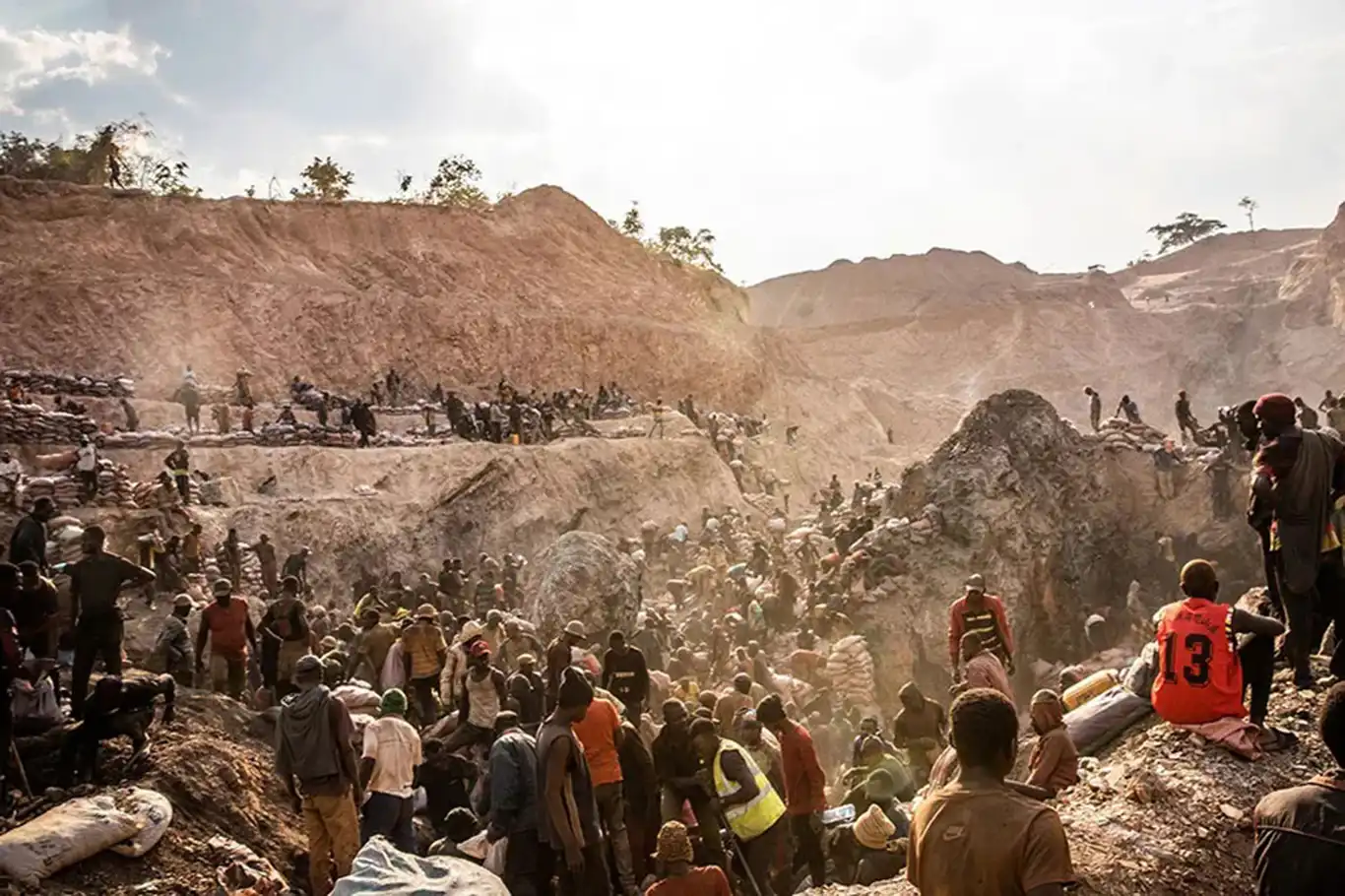
At least 32 people are confirmed dead after a makeshift bridge collapsed at a copper-cobalt mine in the Democratic Republic of Congo (DRC), in a tragedy that exposes the deadly perils facing informal miners in the region.
The incident occurred on Sunday at the Kalando mine, a semi-industrial site where thousands of artisanal miners, known locally as "wildcat" miners, dig for minerals under notoriously hazardous conditions.
According to provincial authorities, the disaster unfolded when panic erupted after gunfire broke out. Roy Kaumba Mayonde, the provincial interior minister, confirmed the bridge gave way as miners tried to flee.
A report from a government agency, the Artisanal and Small-Scale Mining Support and Guidance Service (SAEMAPE), suggested that soldiers stationed at the mine were responsible for the gunfire, triggering a stampede. As miners rushed across the narrow, makeshift structure—built over a flooded trench—it collapsed under the weight, causing victims to "pile on top of each other."
While 32 bodies have been recovered, SAEMAPE estimates the final death toll could rise to 40. Some unverified reports from local sources cite as many as 49 deaths, with dozens more still missing as recovery efforts continue.
The Kalando mine has long been a flashpoint for conflict. SAEMAPE's report points to a "longstanding dispute" between the wildcat miners, many operating outside the law, a cooperative meant to oversee them, and the mine's formal operators, which reportedly include Chinese-linked interests.
Arthur Kabulo, provincial coordinator for the National Human Rights Commission (CNDH), told AFP that the site hosts more than 10,000 informal miners. In the wake of the collapse, provincial authorities have suspended all operations at the mine.
The tragedy at Kalando is a stark example of the systemic dangers within the DRC's mining sector. The country is the source of over 70% of the world's cobalt, a mineral critical for manufacturing batteries in electric vehicles, smartphones, and laptops. Yet, the miners who extract it often work for mere dollars a day without basic safety protections.
Artisanal mining in the DRC is notoriously lethal, with constant threats of landslides, tunnel collapses, and exposure to toxic dust. The involvement of armed personnel and violent disputes over mining rights only compound these risks.
Human rights organizations are now calling for an independent investigation into the military's role in the incident. The SAEMAPE report has raised serious concerns that the soldiers' presence escalated the situation rather than ensuring security.
The collapse underscores a persistent fault line in the global supply chain: the immense profits reaped by multinational companies from "green" technology stand in brutal contrast to the poverty and peril endured by the miners at the source of these essential minerals. (ILKHA)
LEGAL WARNING: All rights of the published news, photos and videos are reserved by İlke Haber Ajansı Basın Yayın San. Trade A.Ş. Under no circumstances can all or part of the news, photos and videos be used without a written contract or subscription.
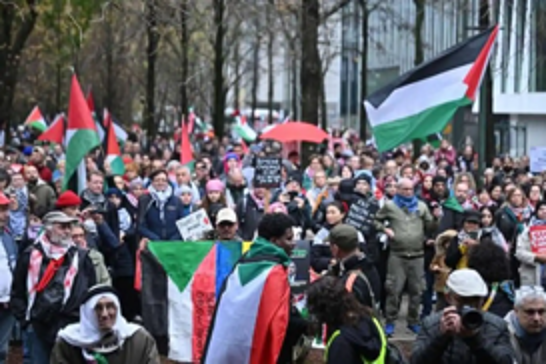
Thousands of protesters flooded the streets of Brussels on Sunday, November 16, voicing fierce condemnation of Israel’s military campaign in Gaza and calling for concrete political and economic sanctions from European leaders.

Israeli Prime Minister Benjamin Netanyahu has approved the creation of a non-official investigative committee on the failures of October 7 — a move widely criticized as an attempt to evade responsibility for Israel’s most significant security collapse in decades.
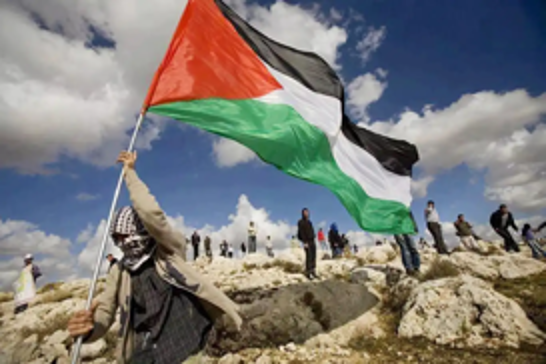
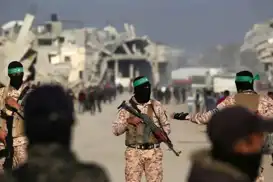
Palestinian resistance factions warned on Sunday that a U.S.-backed draft resolution calling for the deployment of an international force in Gaza would amount to imposing foreign guardianship over the territory and undermining Palestinian decision-making.
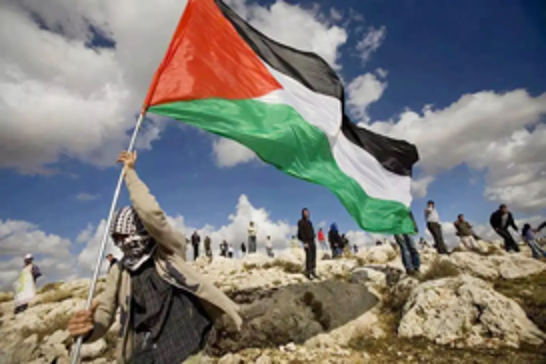
Palestinian resistance factions warned on Sunday that a U.S.-backed draft resolution calling for the deployment of an international force in Gaza would amount to imposing foreign guardianship over the territory and undermining Palestinian decision-making.