Türkiye’s unemployment rate rises to 8.5% in August
 13 oC
13 oC 
Güneşli

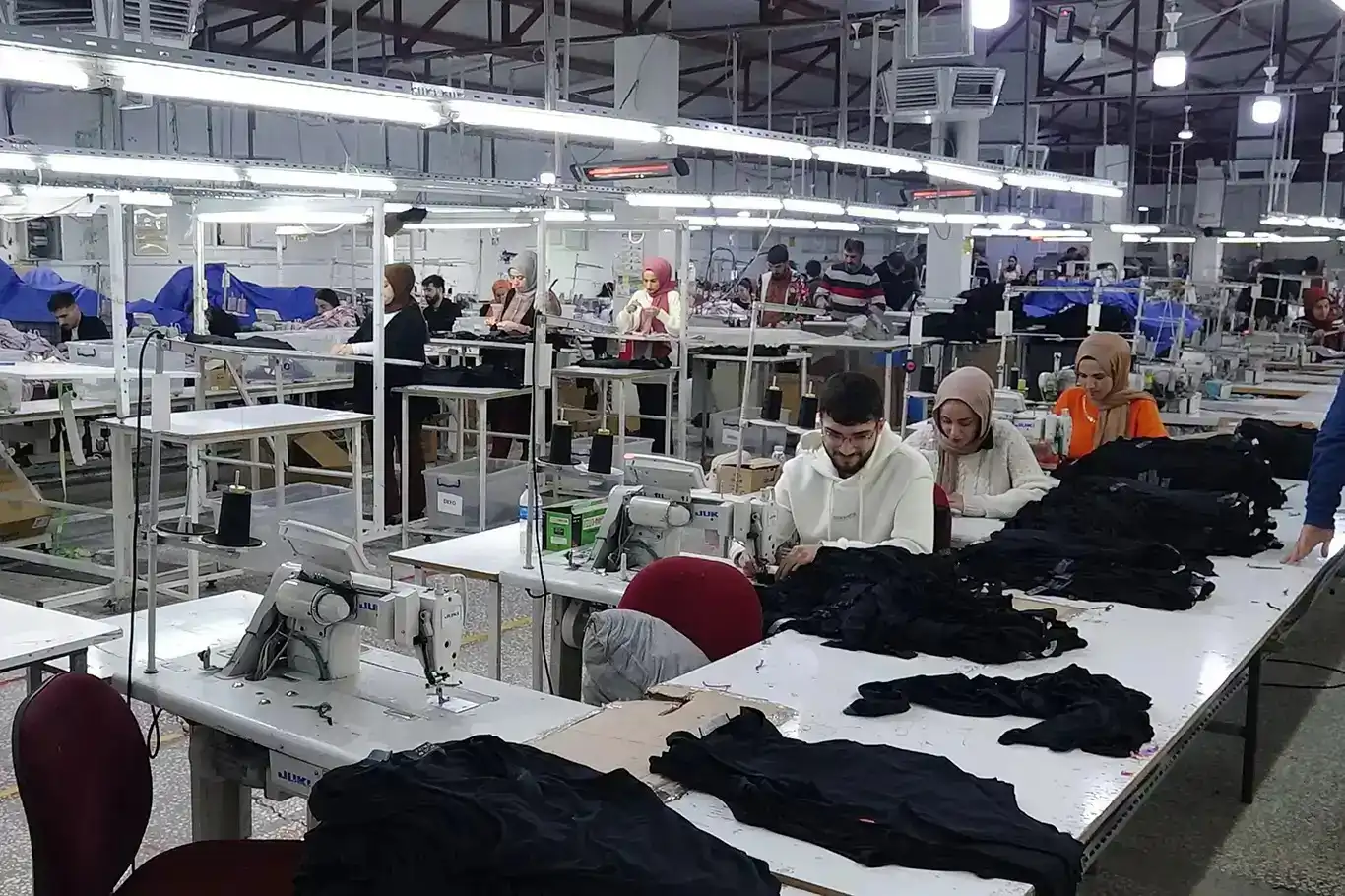
Türkiye’s unemployment rate climbed to 8.5% in August 2025, according to data released Tuesday by the Turkish Statistical Institute (TurkStat), signaling a worrisome uptick in joblessness despite recent economic stabilization efforts.
The increase of 0.4 percentage points from July represents a net addition of 168,000 unemployed individuals aged 15 and over, bringing the total number of unemployed to 3.044 million.
The Household Labour Force Survey highlights persistent gender disparities in employment outcomes. While the overall unemployment rate reached 8.5%, men were affected at 6.8%, whereas women faced a much higher rate of 11.6%, underscoring systemic barriers to female workforce participation.
Youth unemployment remains a critical concern, particularly among women. Among those aged 15-24, the unemployment rate surged to 16.0%, with young women disproportionately affected at 22.7%, compared to 12.4% for young men. Economists warn that these trends could exacerbate social inequalities and hinder long-term growth in a country already contending with inflation and informal employment challenges.
On a positive note, the seasonally adjusted employment rate inched up to 49.4%, a 0.3 percentage point gain, driven by an increase of 208,000 employed persons to 32.829 million. Yet, the data reveal persistent gender gaps: men’s employment rate stands at 66.6%, while women’s remains at 32.6%, highlighting the need for targeted policies to boost female workforce participation.
The labor force itself expanded by 376,000 to 35.873 million, pushing the participation rate to 54.0%—up 0.6 points. However, participation remains heavily skewed: 71.5% for men versus 36.9% for women, reflecting cultural and structural hurdles in workforce engagement.
Broader labor underutilization metrics, which capture time-related underemployment, potential labor force, and unemployment, rose slightly to 29.7%, a 0.1 point increase. The combined rate of time-related underemployment and unemployment reached 19.3%, while unemployment plus the potential labor force climbed to 20.2%. These figures suggest that official statistics may understate the true scale of economic slack.
Average weekly working hours also dipped to 41.8 hours, down 0.7 hours from July, indicating a potential softening in labor demand amid fluctuating industrial output.
The rise in unemployment comes as Türkiye navigates a post-pandemic recovery, with growth projected at 3.1% for 2025 by the World Bank, tempered by inflation pressures that peaked at 75% in mid-2024 before easing to around 38% earlier this year. Although earlier 2025 data showed unemployment dipping to 8.4% in May and holding at 8% in July, August’s increase has reignited debate over the effectiveness of government initiatives, including minimum wage hikes and vocational training programs.
Labor experts and opposition voices are calling for urgent reforms, including job creation in underserved regions and stronger incentives for female employment. “These numbers aren’t just statistics—they represent families struggling to make ends meet,” said Dr. Ayşe Demir, labor market analyst at Istanbul University. “With youth unemployment at 16%, we risk a lost generation unless bold action is taken.”
TurkStat noted that prior months’ estimates have been revised according to seasonal adjustment protocols, ensuring data accuracy. The institute’s full report, including sectoral and regional breakdowns, is available on its website.
As Türkiye prepares for fiscal tightening ahead of 2026, August’s labor data serve as a reminder that fragile employment gains could unravel without sustained investment in inclusive economic growth. (ILKHA)
LEGAL WARNING: All rights of the published news, photos and videos are reserved by İlke Haber Ajansı Basın Yayın San. Trade A.Ş. Under no circumstances can all or part of the news, photos and videos be used without a written contract or subscription.

Türkiye's exports increased by 8.1 per cent year-on-year in August 2026 to $23.467 billion, while imports rose 10.5 per cent to $28.706 billion, according to provisional foreign trade data released jointly by the Turkish Statistical Institute (TurkStat) and the Ministry of Trade.
Türkiye’s seasonally adjusted unemployment rate fell to 7.8% in August, down 0.3 percentage points from the previous month, the Turkish Statistical Institute (TurkStat) said in a statement on Wednesday.

Türkiye expects its bilateral trade volume with the United States to reach between $42 billion and $43 billion by the end of 2026, with the figure projected to rise to $50 billion by the end of 2028, Trade Minister Ömer Bolat said.

Türkiye's economic confidence index rose 0.7% month-on-month to 101.3 in September from 100.6 in August, according to data released by the Turkish Statistical Institute (TurkStat) on Tuesday.