Australian court begins hearing challenge to social media ban for under-16s
 13 oC

Güneşli

Australia’s government has defended a world-first law banning children under the age of 16 from holding social media accounts, as the legislation faces a constitutional challenge before the country’s High Court.
Government lawyers told the court on Wednesday that the restrictions were necessary to protect children from potential harms linked to social media use and to safeguard their developing brains.
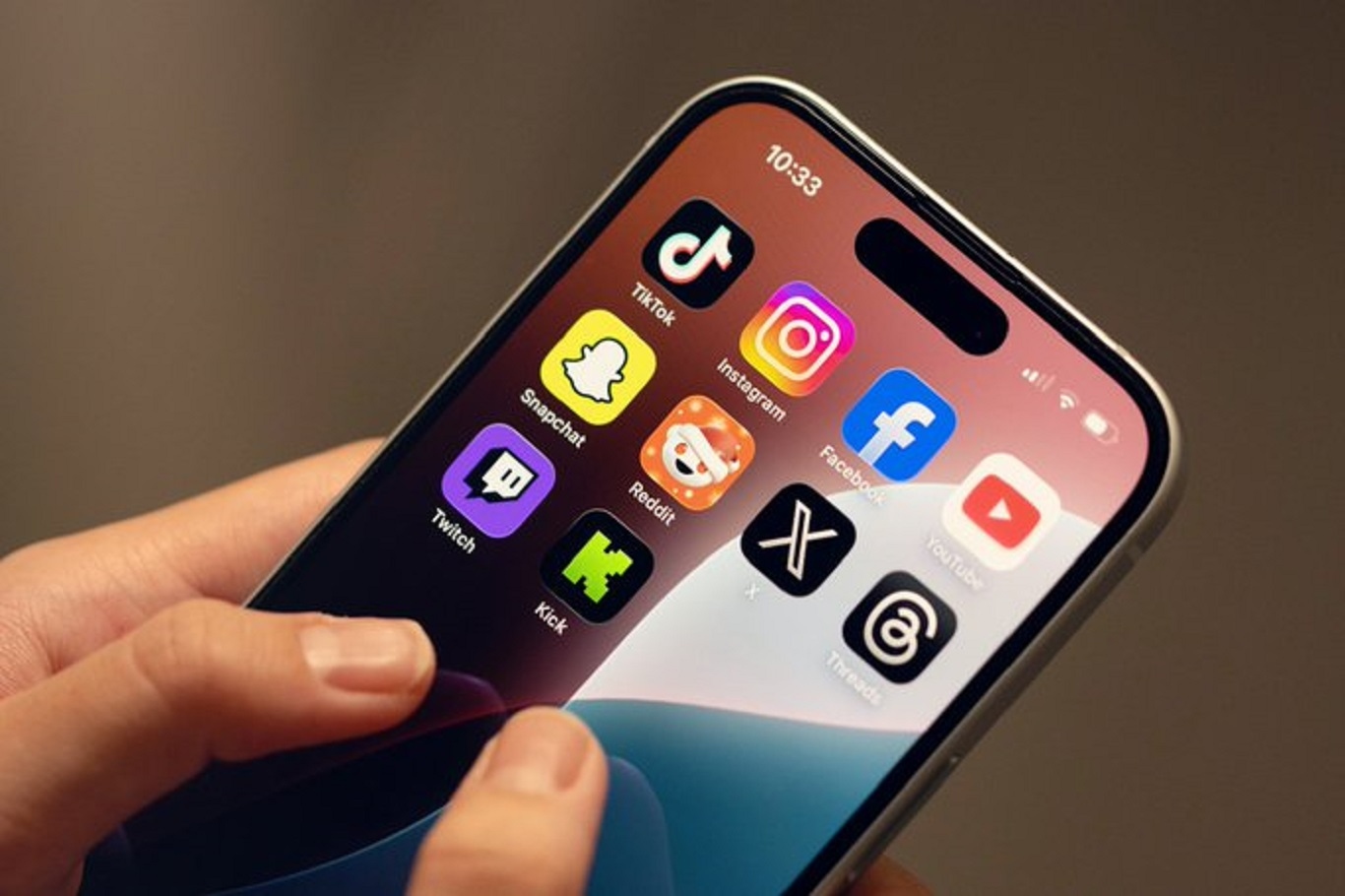
The law, which came into effect last year, prevents users under 16 from creating accounts on platforms including Reddit, Facebook, Instagram, Kick, Snapchat, Threads, TikTok, X, YouTube and Twitch.
Government defends social media restrictions for children
The constitutional challenge was filed separately by US-based online forum Reddit and Sydney-based rights organisation Digital Freedom Project, which argue that the legislation exceeds government powers.
Representing the government, lawyer Joanna Davidson told the court that social media platforms contain design features that create several risks for children.
Davidson listed these risks as addictive use patterns, disruption of sleep, depression, anxiety, suicidal thoughts, worsening eating disorders, and increased symptoms associated with attention deficit hyperactivity disorder (ADHD).
Government lawyer Stephen Lloyd said the restriction on political communication was indirect and limited in scope, arguing that the measure was a necessary step to address the risks faced by children online.
Challengers argue ban limits political communication rights
The challengers argue that the law violates the implied freedom of political communication protected under the Australian Constitution.
Reddit’s lawyer Perry Herzfeld described the legislation as overly broad and incorrectly targeted, arguing that Reddit should not have been included among the 10 platforms subject to the age restriction.
The seven High Court judges are expected to consider how the impact of limiting young people’s political participation should be weighed against concerns over possible harms caused by social media platforms.
The hearings, which began on Tuesday and are scheduled to continue for two days, are not expected to result in an immediate ruling, with a decision potentially taking several months.
Millions of accounts removed after restrictions take effect
Under the law, platforms covered by the regulation are required to take reasonable measures to prevent users under 16 from opening accounts. Companies that fail to comply can face fines of up to 49.5 million Australian dollars (around 34.5 million US dollars).
Government figures show that around 5 million Australian social media accounts were removed between the introduction of the ban in December and July.
However, the government has acknowledged that the measure has not been fully effective, with many young users reportedly managing to bypass age verification systems and continue accessing social media platforms.
Due to privacy concerns, platforms are not allowed to require users to submit official identification documents for age verification.
The Australian government announced in June that it was working on strengthening the legal framework supporting the restrictions.(ILKHA)
LEGAL WARNING: All rights of the published news, photos and videos are reserved by İlke Haber Ajansı Basın Yayın San. Trade A.Ş. Under no circumstances can all or part of the news, photos and videos be used without a written contract or subscription.

A new wave of bomb threats targeting passenger aircraft across Europe disrupted air travel on Thursday, forcing several planes to make emergency landings or divert to alternative airports, while some flights were escorted by fighter jets as part of heightened security measures.
Hundreds of garment factories in Bangladesh have halted production as workers continue protests demanding higher wages, with police using tear gas and stun grenades to disperse demonstrators in several industrial areas.
Unions and student groups are preparing mass demonstrations across France over rising living costs, economic inequality, wages and education conditions, with up to 700,000 people expected to take part.