Bulgaria holds presidential runoff as incumbent Iotova faces pro-Western challenger Gyurov
 13 oC

Güneşli

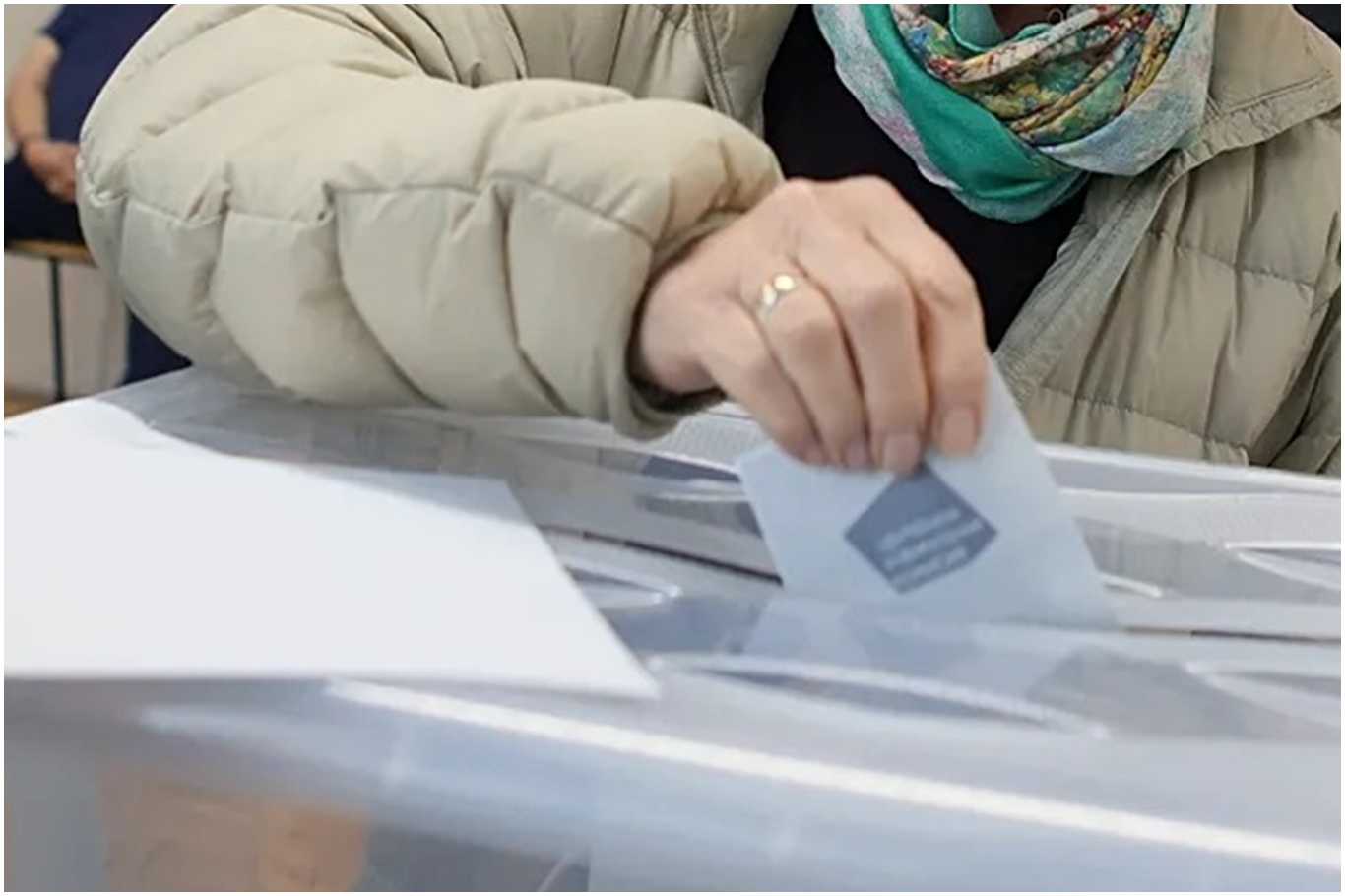
Bulgarians headed to the polls on Sunday for a decisive presidential runoff between incumbent President Iliana Iotova and former caretaker Prime Minister Andrey Gyurov after neither candidate secured an outright victory in the first round of voting last week.
Iotova, 61, emerged as the frontrunner in the October 25 first-round vote, securing 34.76% of ballots, compared with 31.95% for Gyurov, according to final results published by Bulgaria's Central Election Commission. The election featured 27 presidential tickets and recorded historically low voter participation, with turnout at approximately 23%.
The narrow gap of fewer than 43,000 votes has set the stage for a closely contested runoff, with the candidates offering contrasting visions for Bulgaria's foreign policy, particularly its relations with Russia, Ukraine and Western allies.
Polling stations opened at 7 a.m. local time and are scheduled to close at 8 p.m., with exit poll projections expected shortly afterward. Official results are expected on Monday.
The runoff has highlighted divisions over Bulgaria's position in the ongoing Russia-Ukraine conflict.
Iotova, who assumed the presidency in January after former President Rumen Radev resigned to enter parliamentary politics, is backed by Radev's Progressive Bulgaria party. She advocates improving relations with Moscow, opposes further military escalation in Ukraine and has called for diplomatic negotiations to end the conflict.
A victory would make Iotova Bulgaria's first directly elected female president.
Her challenger, Gyurov, a former caretaker prime minister and economist, is backed by pro-Western opposition parties. He has expressed strong support for Ukraine, advocated closer cooperation with NATO and signed a 10-year security cooperation agreement with Kyiv during his tenure as caretaker prime minister.
The election is also an important political test for Radev's Progressive Bulgaria party, which secured a parliamentary majority in April's general election.
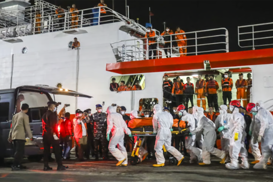
Security concerns have featured prominently in the campaign following a series of drone attacks on commercial vessels in the Black Sea that reportedly left around two dozen international sailors dead or missing.
A Greek container ship carrying hazardous cargo was struck by drones off Bulgaria's coast and subsequently sank, although all 18 crew members were rescued.
The incidents have raised concerns about the widening security implications of the Russia-Ukraine conflict for countries bordering the Black Sea. Bulgaria has stopped short of directly accusing Russia of responsibility, while Prime Minister Rumen Radev has said the attacks benefit Moscow. Russia has denied involvement.
Both presidential candidates have condemned the attacks, although they differ over how Bulgaria should respond to the broader conflict.
Economic hardship, rising energy prices and persistent political instability have also shaped the electoral campaign.
Bulgaria has experienced repeated political crises since 2021, holding eight parliamentary elections during the period as rival political parties struggled to form stable governing coalitions.
Although the Bulgarian presidency is largely ceremonial, the head of state serves as commander-in-chief, represents the country internationally and has the authority to veto legislation and return it to parliament for reconsideration.
The outcome of Sunday's runoff could therefore influence Bulgaria's political direction and its approach to relations with Moscow, Kyiv, the European Union and NATO. (ILKHA)
LEGAL WARNING: All rights of the published news, photos and videos are reserved by İlke Haber Ajansı Basın Yayın San. Trade A.Ş. Under no circumstances can all or part of the news, photos and videos be used without a written contract or subscription.
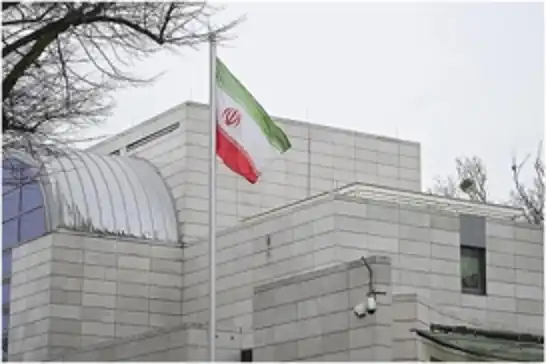
Iran has designated British intelligence a hostile entity and declared the British Navy and Air Force terrorist organisations in response to London's increasingly hostile actions and direct involvement in military aggression against the Islamic Republic.
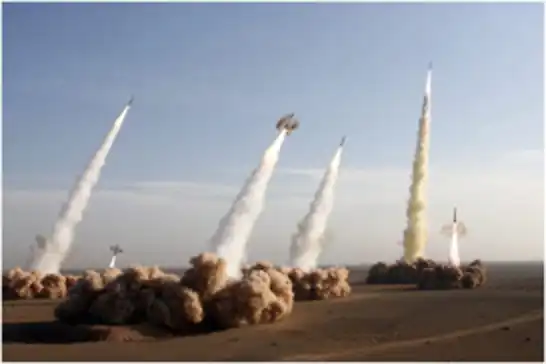
Iran's Armed Forces will not wait for an enemy attack to begin before determining the timing and scope of their response, the country's chief of staff has warned, reaffirming Tehran's readiness to confront any renewed US-Israeli aggression with a stronger and more far-reaching military response.
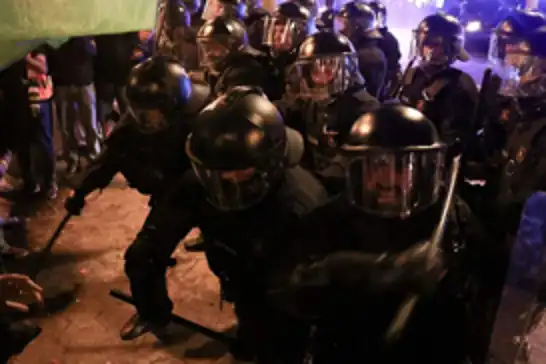
Demonstrations over the rising cost of living, housing affordability, public services and political grievances swept cities across Europe on Saturday, October 31, as authorities deployed thousands of police officers to manage largely peaceful rallies and prevent a recurrence of recent unrest.