Protests sweep Europe as cost-of-living crisis fuels public discontent
 13 oC

Güneşli

Demonstrations over the rising cost of living, housing affordability, public services and political grievances swept cities across Europe on Saturday, October 31, as authorities deployed thousands of police officers to manage largely peaceful rallies and prevent a recurrence of recent unrest.
Protests took place in France, Germany, Italy, Portugal, Albania and Poland, while authorities in the Netherlands and Spain tightened security in response to calls for gatherings circulating on social media.
The demonstrations highlighted growing public frustration over living costs, access to housing and the quality of public services, alongside opposition to government policies and disputes involving state institutions.
France witnessed one of the largest mobilizations, with the Interior Ministry estimating that 320,000 people took to the streets nationwide, including approximately 70,000 in Paris. Organizers put the turnout at nearly 500,000, including 200,000 in the capital.
The demonstrations marked a third consecutive weekend of protests, with grievances extending from living costs and housing to education, deteriorating school facilities and shortages of teachers.
Authorities deployed around 70,000 police officers and gendarmes nationwide amid concerns about clashes, vandalism and looting following unrest during previous weekends.
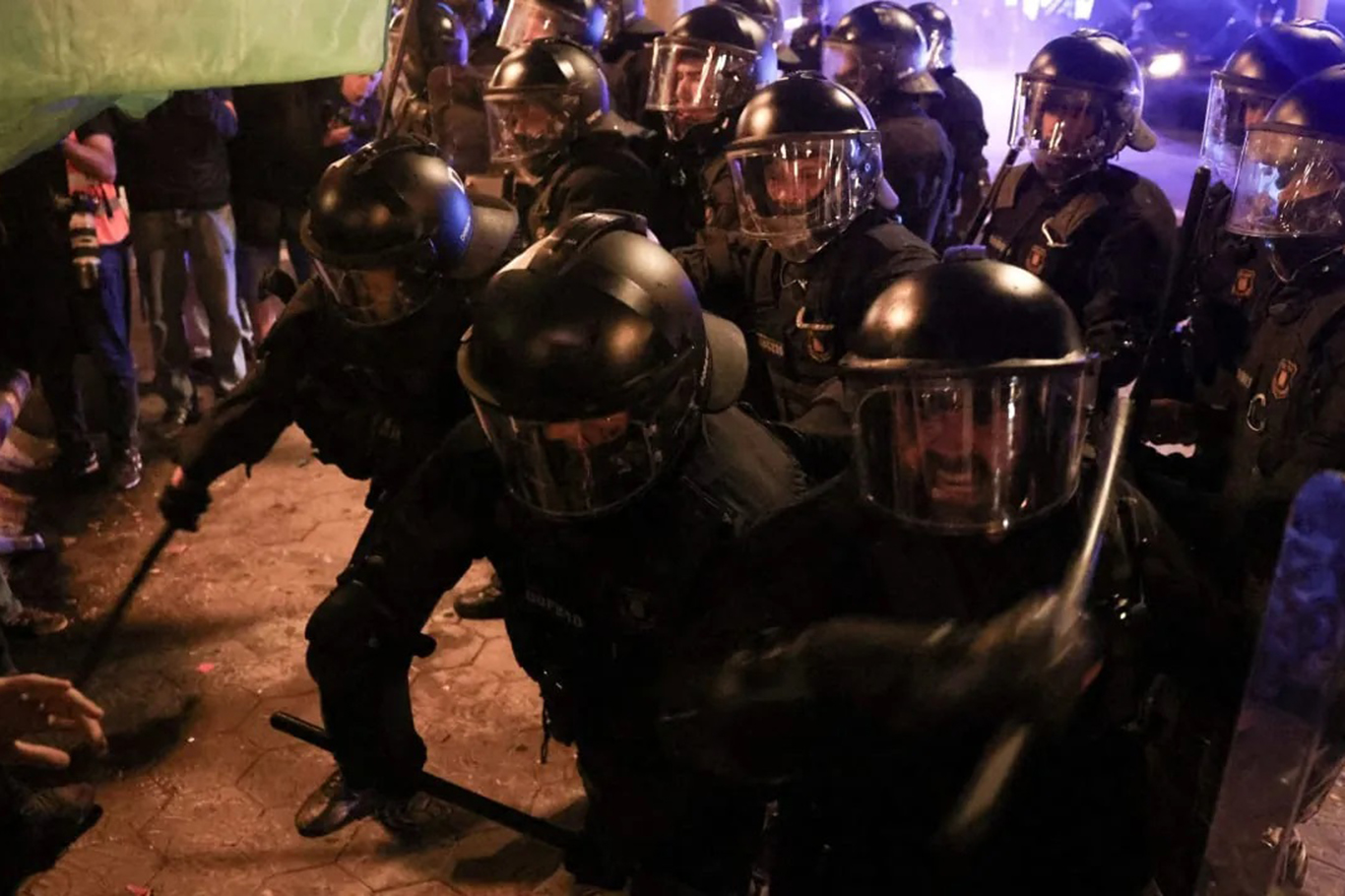
Although most marches proceeded peacefully, confrontations broke out in several cities as demonstrations dispersed. Police used tear gas in some locations, while clashes and reports of projectiles being thrown at officers emerged from cities including Marseille, Lyon and Toulouse.
Interior Minister Laurent Nuñez initially reported 422 arrests, but later figures put the nationwide total at more than 500. A subsequent report said the number had reached 565 by late Saturday evening, highlighting the evolving scale of police operations.
The authorities' turnout estimate was lower than the 410,000 people counted by the government during the previous Saturday's demonstrations, although organizers continued to report substantially higher numbers than officials.
Further mobilization is also planned. Student and labor organizations have called for additional action in the coming days, including a nationwide strike scheduled for November 5, as protesters press for responses to their demands over living costs, wages and public services.
In Germany, demonstrations were held in more than 30 cities, with participants calling for increased investment in public services, measures to ease the cost-of-living burden and opposition to compulsory military service.
Organizers reported more than 68,000 participants based on figures collected from 12 cities by late afternoon.
Most gatherings were peaceful, but violence and property damage were reported in several locations during the evening. German news agency dpa reported injuries to police officers in Frankfurt, burning barricades in Hamburg and attacks on officers in Bremen.
The protests reflected concerns about the affordability and quality of public services, as well as opposition to government policies affecting young people.
In Italy, protesters remained camped near Rome's Colosseum on Saturday following a nationwide wave of demonstrations and a general strike held on Friday.
Workers and other groups had joined rallies in more than 60 cities during the strike called by the Unione Sindacale di Base (USB), according to Italian news agency ANSA.
The union estimated that 1.5 million people had participated, while the Interior Ministry put the figure at approximately 255,000, underscoring the significant gap between organizers' and authorities' estimates.
In Portugal, housing affordability remained a central concern. More than 1,000 people demonstrated in each of Lisbon and Porto on Saturday, demanding action over the housing crisis.
In Lisbon, protesters marched toward Rossio Square, where they planned to remain overnight. The gatherings followed the dispersal of protest encampments in both cities on October 25.
Housing costs have become a prominent issue in Portugal, particularly in major urban centers where residents face pressure from rents and property prices.
In Albania, demonstrations demanding better education, improved living conditions and the resignation of Prime Minister Edi Rama continued in Tirana for a 19th consecutive day, the Albanian Telegraphic Agency reported.
Some protesters threw stones and Molotov cocktails at police, who responded with tear gas and water cannons. The opposition Democratic Party backed the movement.
In Poland, a dispute over the composition and leadership of the Constitutional Tribunal brought demonstrators to Warsaw.
Protesters gathered outside the tribunal from Friday evening into Saturday. Local media reported that police detained four people during overnight operations around the building.
President Karol Nawrocki returned early from a foreign trip and announced urgent political consultations as the dispute intensified.
The confrontation has added to political tensions surrounding the tribunal and the broader struggle over the country's judicial institutions.
Authorities in the Netherlands stepped up security after online messages called for gatherings in several cities and, in some cases, encouraged looting and vandalism.
In The Hague, police dispersed a crowd near the central station and urged people to avoid the city center. Officers made 34 arrests during the day, according to the Dutch police.
The authorities said preparations had been made in coordination with municipal officials and prosecutors. A temporary emergency order was expanded to cover additional areas of the city after tensions emerged between groups in the afternoon.
Police said the situation had calmed by around 7 p.m. and that major incidents had been avoided, although officers remained deployed. One police employee was taken to hospital after illegal fireworks were thrown at officers.
Some businesses boarded up their storefronts ahead of the planned gatherings amid fears of looting and property damage.
In Spain, police increased their presence in Madrid, Barcelona and Valencia following similar calls circulating online.
The measures came after unrest in Barcelona the previous weekend left 15 officers injured and resulted in 128 arrests. Spain's EFE news agency reported on Friday that police had arrested 10 people nationwide on suspicion of using online channels to incite unrest and violence.
The demonstrations across Europe brought together different movements and demands, ranging from housing affordability and public-service funding to education, military service and political accountability.
While the protests varied considerably in size, organization and political objectives, the repeated focus on living conditions highlighted the pressure facing governments as households and workers demand stronger responses to economic and social concerns.
The contrast between largely peaceful marches and episodes of violence also presented authorities with a challenge: allowing public demonstrations while responding to vandalism, confrontations and calls for unrest circulating online.
With further labor and student mobilization planned in France and political disputes continuing elsewhere, the weekend's demonstrations suggest that public discontent remains a significant issue across several European countries. (ILKHA)
LEGAL WARNING: All rights of the published news, photos and videos are reserved by İlke Haber Ajansı Basın Yayın San. Trade A.Ş. Under no circumstances can all or part of the news, photos and videos be used without a written contract or subscription.
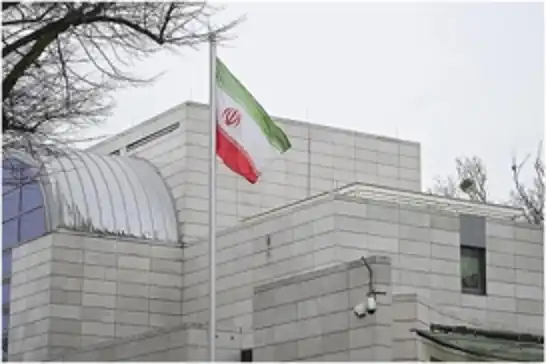
Iran has designated British intelligence a hostile entity and declared the British Navy and Air Force terrorist organisations in response to London's increasingly hostile actions and direct involvement in military aggression against the Islamic Republic.
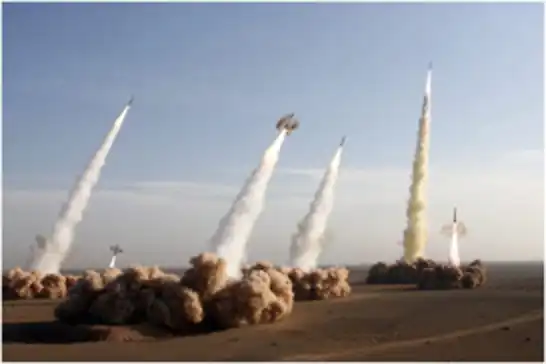
Iran's Armed Forces will not wait for an enemy attack to begin before determining the timing and scope of their response, the country's chief of staff has warned, reaffirming Tehran's readiness to confront any renewed US-Israeli aggression with a stronger and more far-reaching military response.
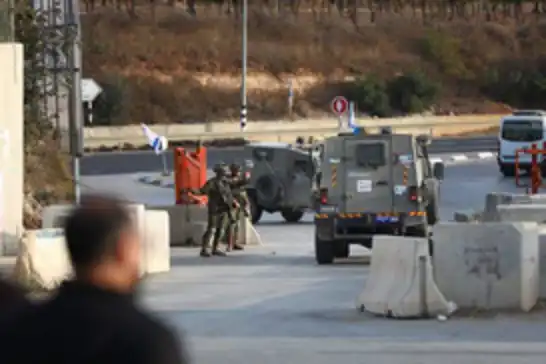
Israeli occupation forces continued their military assault and suffocating siege on the southern occupied West Bank city of al-Khalil for the ninth consecutive day on Saturday, carrying out home raids, mass arrests and attacks on Palestinian residents while deploying additional military reinforcements and preventing hundreds of displaced families from returning to their homes.