Canada imposes new sanctions on Russia over Ukraine war
 13 oC

Güneşli

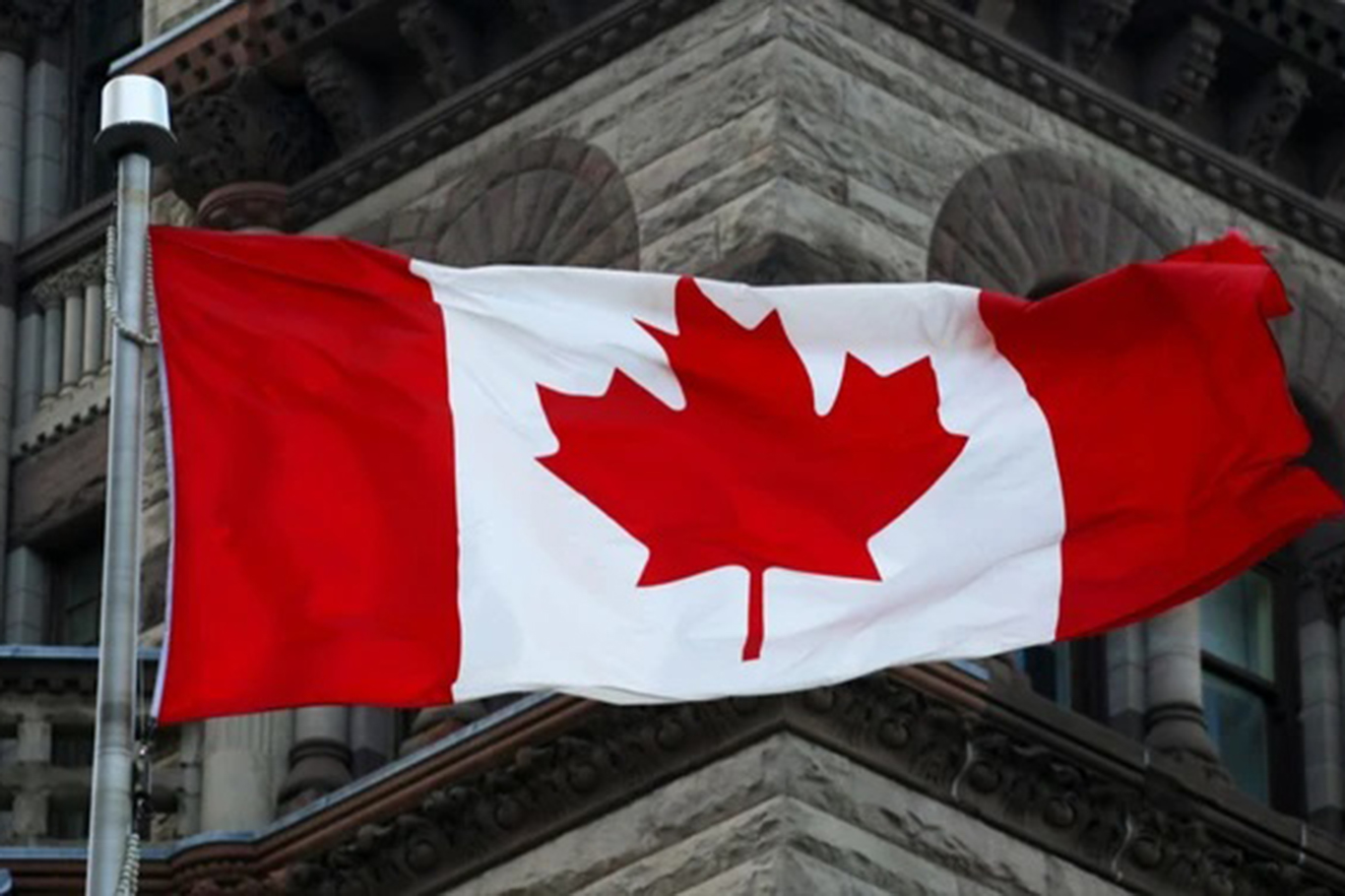
Canada has announced new sanctions against 38 entities and 24 individuals linked to Russia's defence industry, ballistic missile development and cyber activities, as Ottawa steps up economic pressure on Moscow over its ongoing war against Ukraine.
Canadian Foreign Minister Anita Anand announced the measures on Nov. 9 on the sidelines of the G7 foreign ministers' meeting in Paris, saying the sanctions were intended to weaken Russia's military capabilities and increase the economic costs of its war.
The package targets individuals and organizations involved in Russia's defence industrial base, including those connected to the development of ballistic missile technology. It also targets financial networks, cryptocurrency exchanges and entities allegedly helping Moscow evade international sanctions and finance its military operations.
"Canada is taking action to undermine Putin's capacity to strike Ukrainian cities with its missiles," Anand said in a statement.
"We remain steadfast in our support for Ukraine and will continue to impose costs on Russia until it ends its aggression and respects Ukraine's sovereignty and territorial integrity."
According to Canada's Foreign Ministry, the latest measures are part of Ottawa's broader efforts to disrupt the supply chains and financial networks sustaining Russia's military operations. The sanctions entered into force on Nov. 5.
Canada has imposed sanctions on more than 3,500 individuals and entities and over 700 vessels since 2014 in response to Russia's actions against Ukraine.
The announcement comes as Russia continues attacks on Ukraine's energy infrastructure ahead of the winter season, raising concerns about electricity and heating shortages across the country.
A Nov. 4 assessment by the International Energy Agency (IEA) warned that Ukraine faces significant risks to its energy security during the 2026-2027 winter, despite efforts to strengthen its electricity network and expand alternative energy supplies.
The IEA said Russia had intensified attacks on energy infrastructure and increasingly deployed faster, jet-powered drones that are more difficult to intercept. Damage to power plants, electricity networks and gas facilities could lead to further power shortages in the coming months.
Ukraine has been calling on its Western allies to increase economic pressure on Moscow while providing additional financial and military assistance to Kyiv.
As part of those efforts, Canada announced on Oct. 30 that it would contribute 500 million euros ($559 million) through the European Union to help address Ukraine's projected budget shortfall for 2027.
The European Commission has also advanced plans for a 90 billion euro support loan for Ukraine covering 2026 and 2027. However, the bloc has acknowledged that additional international commitments will be needed to address Kyiv's remaining financing needs.
The latest Canadian measures come amid continuing diplomatic efforts by Western governments to increase pressure on Russia and support Ukraine's ability to withstand the war. (ILKHA)
LEGAL WARNING: All rights of the published news, photos and videos are reserved by İlke Haber Ajansı Basın Yayın San. Trade A.Ş. Under no circumstances can all or part of the news, photos and videos be used without a written contract or subscription.
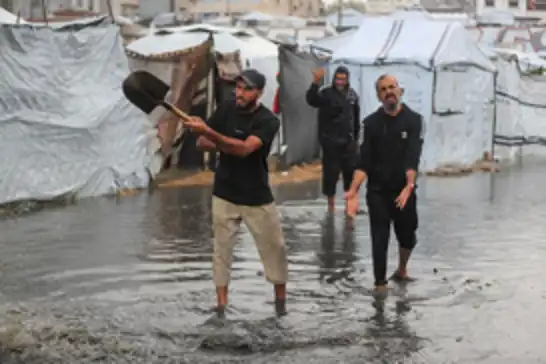
HAMAS has accused the Peace Council of presenting what it described as a distorted account of the humanitarian crisis in the Gaza Strip and ignoring the occupation regime's responsibility for obstacles to implementing the ceasefire roadmap.
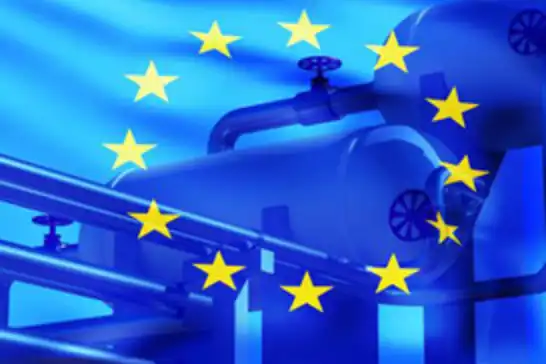
The European Commission said natural gas storage levels across the European Union remain below the historical average but stressed that there is currently no threat to the bloc's energy security.

Businesses from Afghanistan and Uzbekistan have signed trade agreements worth $151.6 million at the Afghanistan-Uzbekistan Private Sector Trade Forum in Kabul, marking a step towards strengthening economic ties and expanding cross-border trade.